





Advertisement
health

Often called "America's Best Idea," the National Park Service could also be referred to as America's Healthiest Prescription (especially if you're someone suffering from a sleep disorder) thanks to the potential health benefits of camping for the body and mind.
In fact, if you're searching for ways to combat insomnia, it may be time to turn to your tent since research has suggested the health benefits of camping include healthier sleep.
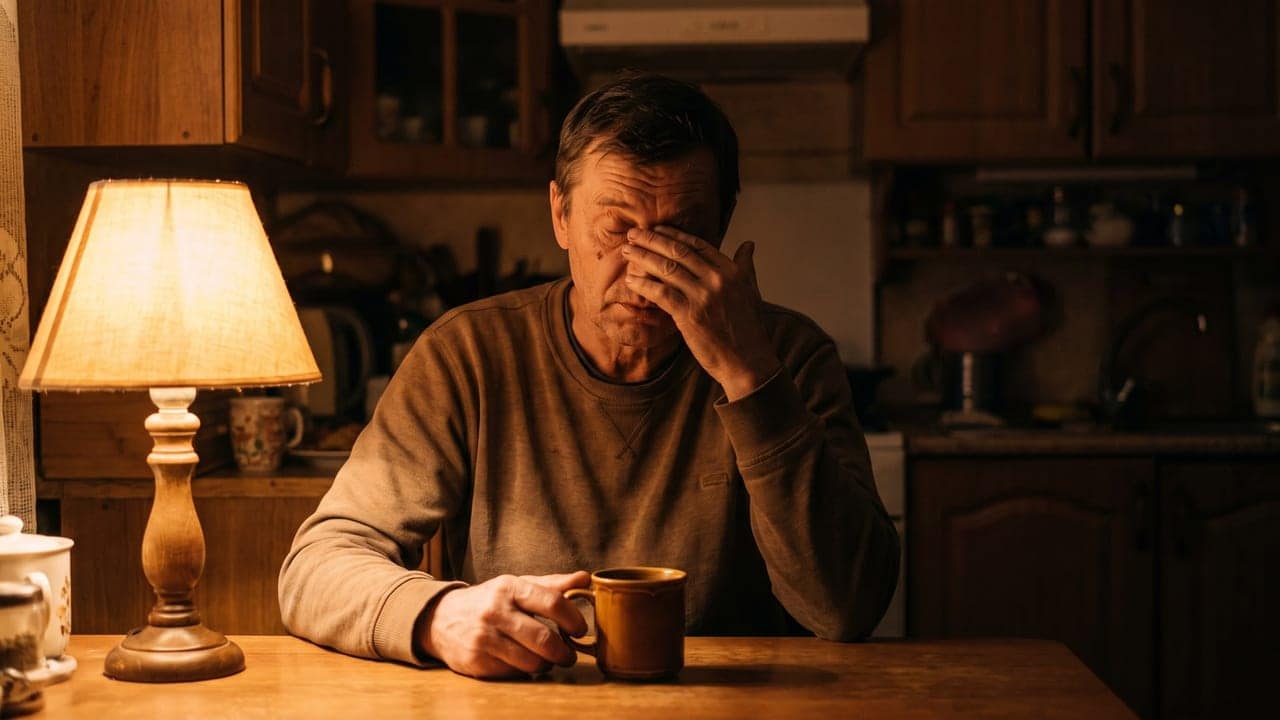
So what's the connection? Electronics are doing a real number on the natural sleep cycle, but nature seems to reset it in a beneficial way.
The benefits of camping go beyond simply getting away for a weekend. Spending time outdoors may help support healthier sleep timing, encourage more physical activity, reduce exposure to artificial light at night and give the mind a break from constant digital stimulation.
For many people, camping combines several healthy habits at once: natural light during the day, darker evenings, movement, fresh air, social connection and more time in nature.
Modern life means less exposure to sunlight during the day and higher exposure to electronics and harsh lights at night. Instead of sleep meds with dangerous side effects, the solution may be much simpler: camping.
The main benefits of camping include better alignment with the natural light-dark cycle, healthier sleep timing, more time outdoors, increased movement, reduced screen exposure, improved mood and more opportunities for social connection.
Research on camping shows that even a small time outdoors may help shift the body’s internal clock earlier, while broader nature research has linked time outside with better self-reported health, well-being and mental health markers.
This is why camping can be more than a vacation. It can act like a short-term “reset” from some of the biggest disruptors of modern health, including late-night artificial light, sedentary routines, indoor living and constant connectivity.
30-day protocol
The complete root-cause framework for resetting your body clock, falling asleep faster and sleeping through the night — and ending the 3am wake-ups, groggy mornings and afternoon crashes most sleep aids never fix.
Free with your Dr. Axe account
View the protocol →University of Colorado researcher Kenneth Wright, Ph.D., a professor of integrative physiology, found that today's unnatural light exposure leads to late circadian, resulting in delayed sleep timing.
This isn't the first time Wright investigated camping's potential to remedy the side effects of artificial light. His 2013 study investigated the health effects of camping on sleep in Current Biology. Results of that study showed participants camping in Colorado for a week during the summer helped improve their biological clocks.
The campers experienced four times more light during the day.
At night, headlamps and flashlights were banned. The result? The rush of sleep-inducing melatonin arrived two hours earlier, around the time of sunset.
In contrast, the more recent 2017 study published in Current Biology sent participants camping in winter for either a whole week or a weekend. Wright tracked both sleep patterns and circadian rhythms.
To track the circadian rhythm, researchers tracked participants' melatonin levels.
Wright noted that before participants left, their sleep patterns didn’t align with their natural internal clocks. He explained that while melatonin levels should rise right before we sleep and fall right after we wake up, "in the modern environment, those melatonin levels fall back down a couple of hours after we wake up. Our brains say we should be sleeping several hours after we wake up."
The results of a weeklong camping trip? After sleeping outside for a week, participants woke up two hours earlier.
Participants’ melatonin levels no longer lagged, either. Levels rose as the sun went down and lowered as the sun came up.
Even a weekend trip provided better hormone levels for healthy sleep.
"Just a weekend camping shifted the clock 69 percent of what we saw in a week-long study," Wright told the Denver Post. "We can rapidly adjust our clock by being exposed to the natural light/dark cycle and getting rid of electrical lights."
Wright's work is another study in a long list of research that proves how essential the sun, fresh air and nature are to our overall health and well-being.
Wondering how you’re going to get a good night's rest while sleeping on the ground in the cold or heat? To stay comfortable while camping, it's important to choose a comfortable camping spot and bring the proper gear to stay warm (or cool) and dry.
In order to do that:
Taking a weeklong camping trip, or even a weekend trip, isn't feasible for everyone. Luckily, there are a number of other ways to naturally improve your sleep. Here are some steps to take:
If improved sleep isn’t enough to make you pack your bags and grab a tent, camping also benefits your health in other ways.
For instance, being in nature is beneficial for your mood and mental health.
University of Michigan researchers found that even just a few minutes in nature may reduce the symptoms of depression, while further studies published in Frontiers in Psychology concluded that "when contrasted with equal durations spent in urbanized settings, as little as 10 min of sitting or walking in a diverse array of natural settings significantly and positively impacted defined psychological and physiological markers of mental well-being for college-aged individuals."
Likewise, researchers at Stanford University found that time outdoors helped reduce obsessive negative thinking, or rumination.
Camping may also support stress management because it naturally removes people from many common stressors, including constant notifications, indoor lighting and daily work routines.
In one large study published in Scientific Reports, people who spent at least 120 minutes per week in nature were more likely to report good health and high well-being compared with those who had no nature contact. The researchers found that the 120 minutes could come from one longer outing or several shorter periods outdoors.
Furthermore, according to a 2008 article published in Environmental Health Perspectives, 30 minutes in the sun can provide nearly a day's supply of vitamin D through skin absorption.
Vitamin D contributes to bone health, helps manage blood sugar levels, may help prevent diabetes, helps fight heart disease, enhances the immune system, and improves concentration, learning, memory and more.
Needless to say, vitamin D is essential to the human body, and by going out into nature, you can soak in more than enough vitamin D to reap the benefits.
Another reason camping may feel restorative is that it often increases low-intensity physical activity without making exercise feel forced. Setting up a tent, walking trails, carrying supplies, swimming, paddling or simply exploring a campground can all help people move more than they might during a typical indoor weekend.
This makes camping a practical way to pair nature exposure with everyday movement.
The mental health benefits of camping are closely tied to time in nature. Research from Stanford found that a 90-minute walk in a natural setting reduced self-reported rumination, a pattern of repetitive negative thinking, compared with walking in an urban setting.
Camping may build on this effect by extending time outdoors and reducing everyday mental clutter. Without the same level of traffic, screens, alerts and indoor noise, many campers find it easier to slow down, focus on simple tasks and reconnect with the present moment.
While camping is not a replacement for mental health care, it can be a healthy lifestyle practice that supports mood and relaxation.
One overlooked health benefit of camping is the built-in digital detox. Even when phones are available, camping often reduces screen time because people are cooking outdoors, hiking, setting up gear, sitting around a fire or going to bed closer to sunset.
This matters because evening light exposure from screens and indoor lighting can interfere with the body’s natural sleep-wake rhythm.
For the greatest sleep-related benefit, keep screens and bright lights away from the tent at night. Use a low-light headlamp only when needed, avoid scrolling before bed and let natural darkness signal to your body that it is time to wind down.
Camping can be good for your health because it combines several wellness-supporting habits, including time outdoors, natural light exposure, physical activity, reduced screen time and more consistent sleep cues. Research on camping suggests that natural light-dark exposure may help shift circadian timing earlier.
The main health benefits of camping include improved sleep timing, more movement, reduced exposure to artificial light at night, better mood, time in nature and a break from daily stressors.
Camping may help support better sleep timing by increasing daytime natural light exposure and reducing nighttime artificial light exposure. In camping studies, participants’ internal clocks shifted earlier when they spent time outdoors with natural light-dark cycles.
Camping may help with stress by encouraging time in nature, reducing screen exposure and creating space away from normal routines. Broader nature research has linked regular nature contact with better self-reported health and well-being.