
This Dr. Axe content is medically reviewed or fact checked to ensure factually accurate information.
With strict editorial sourcing guidelines, we only link to academic research institutions, reputable media sites and, when research is available, medically peer-reviewed studies. Note that the numbers in parentheses (1, 2, etc.) are clickable links to these studies.
The information in our articles is NOT intended to replace a one-on-one relationship with a qualified health care professional and is not intended as medical advice.
This article is based on scientific evidence, written by experts and fact checked by our trained editorial staff. Note that the numbers in parentheses (1, 2, etc.) are clickable links to medically peer-reviewed studies.
Our team includes licensed nutritionists and dietitians, certified health education specialists, as well as certified strength and conditioning specialists, personal trainers and corrective exercise specialists. Our team aims to be not only thorough with its research, but also objective and unbiased.
The information in our articles is NOT intended to replace a one-on-one relationship with a qualified health care professional and is not intended as medical advice.
How to Choose Unflavored Bone Broth Protein in 2026 & Beyond
August 19, 2026
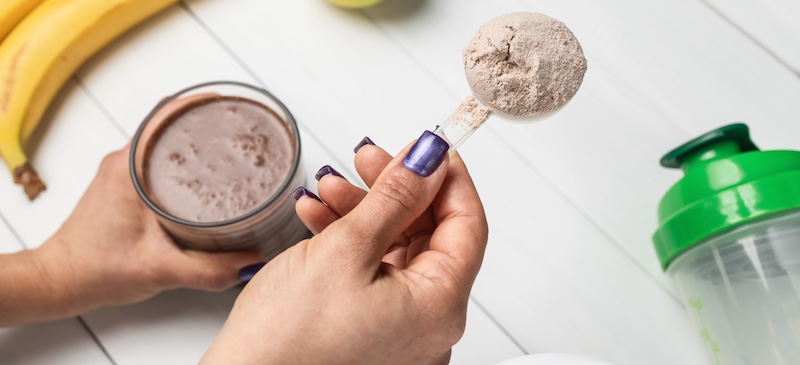
Choosing an unflavored bone broth protein powder can come down to more than simply finding a product without a sweet flavor. Protein content, the sources of the bone broth concentrate, collagen types, amino acids, ingredient sourcing, dietary preferences, testing and versatility can all help distinguish one option from another.
A quality unflavored bone broth protein can provide a convenient way to incorporate the benefits of traditional bone broth into your routine without spending hours preparing broth at home. Depending on the formula, bone broth protein can support joint, skin and gut health while providing a substantial amount of protein per serving.
Here’s how to choose unflavored bone broth protein in 2026 and which product characteristics are worth checking before you buy.
What is unflavored bone broth protein?
Bone broth protein powder is made from bone broth protein concentrate. An unflavored or “pure” version provides an alternative to sweeter flavored powders and can be especially versatile for savory foods.
Bone broth protein can provide protein along with collagen and amino acids. Depending on its animal sources, a formula may also provide multiple collagen types and joint-friendly compounds.

Because it comes in powdered form, bone broth protein offers a convenient way to incorporate components of traditional bone broth into an everyday routine.
How to choose unflavored bone broth protein in 2026 (and beyond)
When comparing unflavored bone broth protein powders, consider the protein content, bone broth sources, collagen types, amino acid profile, sourcing standards, dietary attributes, testing practices, and how easily the powder fits into the foods and beverages you already consume.
Here is how to choose unflavored bone broth protein:
1. Check the protein per serving
Start with the amount of protein delivered by each serving.
Look for an unflavored bone broth protein powder that provides 20 grams of high-quality protein per serving. Protein content is particularly useful when comparing serving sizes between different products.
Rather than looking only at the size of the container or scoop, review the product information so you understand how much protein you actually receive per serving.
2. Look at the sources of the bone broth concentrate
The source of the bone broth protein concentrate is another important consideration.
Some bone broth protein powders combine beef bone broth protein concentrate and chicken bone broth protein concentrate. This combination can provide different types of collagen.
For example, non-GMO beef bone broth protein concentrate sourced from grass-fed and pasture-raised cows can provide collagen types I and III. Non-GMO chicken bone broth protein concentrate sourced from U.S.-farmed chickens can provide collagen type II.
When evaluating a product, look beyond the words “bone broth protein,” and determine whether the manufacturer explains where its bone broth concentrate comes from.
3. Consider the collagen types
Bone broth protein brings protein and collagen together, but the collagen types can vary according to the sources used.
A formula containing both beef and chicken bone broth concentrates can provide:
- Collagen type I
- Collagen type II
- Collagen type III
These distinctions can make the sourcing information on a product particularly useful when comparing bone broth protein powders.
4. Review the amino acid profile
Amino acids are another characteristic to consider.
Look for a bone broth protein powder that provides most of the 20 different amino acids. Amino acids are the building blocks of protein.
Check the product information when comparing powders rather than assuming every bone broth protein has an identical amino acid profile.
5. Look for joint-friendly compounds
Bone broth protein often contains compounds associated with its traditional bone broth origins.
These include glucosamine, chondroitin and hyaluronic acid.
These compounds help joints move and feel better, with less discomfort and increased mobility.
If these characteristics matter when selecting an unflavored bone broth protein, check the manufacturer’s product information to determine whether they are identified as components of the formula.
6. Consider support for joint, skin and gut health
One reason people choose bone broth protein is that it can combine convenient protein with support for several key areas of health.
Bone broth protein can support joint, skin and gut health. Chicken bone broth protein concentrate providing collagen type II can support gut, skin and joint health, while beef bone broth concentrate can supply collagen types I and III.
When comparing products, stick to the benefits specifically substantiated and identified by the manufacturer rather than assuming every bone broth protein powder offers the same attributes.
7. Pay attention to animal sourcing
Ingredient sourcing can provide another way to narrow your choices.
Examples of sourcing characteristics to look for include:
- Non-GMO sources
- Grass-fed cows
- Pasture-raised cows
- U.S.-farmed chickens
- Animals raised without hormones
- Animals raised without antibiotics
- Sustainably sourced ingredients
A non-GMO beef bone broth protein concentrate, for example, may come from grass-fed and pasture-raised cows, while non-GMO chicken bone broth protein concentrate may come from U.S.-farmed chickens.
Read the individual product’s sourcing information to determine which standards apply.
8. Check dietary attributes
If you follow a particular dietary pattern or avoid certain ingredients, check the product information carefully.
Depending on the formula, bone broth protein may be:
- Paleo-friendly
- Made without Dairy
- Non-GMO
- Gluten-free
- Made without Nuts
- Made without Soy
An unflavored product should not automatically be assumed to meet all of these criteria simply because it has no added flavor. Verify each attribute on the specific product you are considering.
9. Look for finished-product heavy-metal testing
Testing practices can also be a consideration when comparing bone broth protein powders.
Look for information about whether the finished product is tested for heavy metals. Testing may include:
- Lead
- Cadmium
- Arsenic
- Mercury
The distinction between ingredient information and finished-product testing can be useful when evaluating a supplement manufacturer’s quality practices.
10. Consider how you plan to use it
One of the biggest practical advantages of unflavored bone broth protein is versatility.
Savory or pure bone broth protein can be added to foods such as:
- Soups
- Stews
- Sauces
- Broths
For a powder intended to be mixed into liquid, adults can add one scoop to 12 ounces of liquid and mix it with a blender, hand frother or shaker cup when those are the product’s directions. Other ways to use bone broth protein include to make smoothies, desserts and even hummus.
Before purchasing, consider how you realistically plan to use the powder. A versatile unflavored option may make sense if you want something that can easily become part of savory meals and beverages.
What should you look for in an unflavored bone broth protein?
A useful way to compare products is to ask a short series of questions:
How much protein does it provide?
Check the amount per serving rather than judging by scoop or container size alone.
What is the bone broth source?
Determine whether the protein comes from beef, chicken or a combination.
Which collagen types does it provide?
Beef bone broth concentrate can provide collagen types I and III, while chicken bone broth concentrate can provide collagen type II.
How many amino acids does it provide?
Look for a bone broth protein powder that provides 18 of the 20 different amino acids.
Does it contain joint-friendly compounds?
Bone broth protein can contain glucosamine, chondroitin and hyaluronic acid.
How are the animals sourced?
Look for specific information, such as non-GMO, grass-fed, pasture-raised or U.S.-farmed sourcing, when those qualities are important to you.
Does it fit your dietary preferences?
Check specifically for characteristics, such as Paleo-friendly, made without dairy, gluten-free, made without nuts and made without soy.
Is the finished product tested for heavy metals?
Look for transparency about finished-product testing for lead, cadmium, arsenic and mercury.
Will you actually use it regularly?
An unflavored or pure powder can be especially practical if you want to add bone broth protein to soups, stews, sauces or broths.
If you’re looking for a go-to bone broth protein powder that has these characteristics, consider Ancient Nutrition’s Bone Broth Protein Pure, which:
- Has 20 grams of protein per serving
- Contains three times more protein than homemade broth, based on protein content
- Provides collagen types I, II and III
- Contains glucosamine, chondroitin and hyaluronic acid
- Provides 18 of the 20 different amino acids
- Is sourced from non-GMO, grass-fed and pasture-raised cows from Europe and non-GMO, U.S.-farmed chickens
- Is Paleo-friendly
- Is made without dairy, gluten-free, made without nuts and made without soy
- Is tested for heavy metals, including lead, cadmium, arsenic and mercury
Unflavored vs. flavored bone broth protein
The main advantage of choosing an unflavored bone broth protein is flexibility.
Sweet flavors may work well in smoothies, pancakes, oatmeal and baked goods, while savory or pure varieties can be incorporated into soups, stews, sauces and broths.
Neither approach is inherently right for everyone. Consider which foods and beverages you already consume, and choose a format that fits into your routine.
Frequently asked questions
What is the best unflavored bone broth protein?
There isn’t one characteristic that determines the best choice for everyone. Look at protein per serving, beef and/or chicken bone broth sources, collagen types, amino acids, animal sourcing, dietary attributes, finished-product heavy-metal testing, and how you plan to use the powder.
How much protein should I look for in bone broth protein?
Check the amount listed per serving. One useful benchmark is a bone broth protein powder providing 20 grams of protein per serving.
What collagen types can bone broth protein contain?
The collagen types depend on the bone broth sources. Beef bone broth protein concentrate can provide collagen types I and III, while chicken bone broth protein concentrate can provide collagen type II.
Does bone broth protein contain amino acids?
It can. Check the individual product information for details about a particular formula.
Does bone broth protein contain glucosamine?
Bone broth protein can contain glucosamine, chondroitin and hyaluronic acid. Check the specific product information when comparing formulas.
What does bone broth protein support?
Bone broth protein can support joint, skin and gut health while providing protein. Specific benefits and nutritional characteristics depend on the individual formula.
Is unflavored bone broth protein dairy-free?
It can be, but “unflavored” does not automatically mean dairy-free. Some bone broth protein powders are Paleo-friendly as well as dairy-free, grain-free, gluten-free, nut-free and soy-free. Always check the specific product label.
How do you use unflavored bone broth protein?
Pure or savory bone broth protein can be added to soups, stews, sauces and broths. When directed by the product, adults can mix one scoop with 12 ounces of liquid using a blender, hand frother or shaker cup.
Should bone broth protein be tested for heavy metals?
Testing practices are one factor you can evaluate when choosing a product. Look for manufacturers that provide information about finished-product testing for heavy metals, such as lead, cadmium, arsenic and mercury.
Conclusion
- When deciding how to choose unflavored bone broth protein in 2026 (and beyond), focus on the details behind the powder rather than the absence of flavor alone.
- Compare the protein per serving, bone broth sources, collagen types, amino acid profile, animal sourcing, dietary attributes, finished-product testing and versatility.
- An unflavored bone broth protein made from thoughtfully sourced beef and chicken bone broth concentrates can provide protein alongside multiple collagen types and other compounds while offering an easy way to incorporate bone broth protein into soups, stews, sauces, broths and other foods.
- Reading the product information carefully can help you choose an unflavored bone broth protein that best fits your preferences and everyday routine.
Popular Nutrition Posts