





Advertisement
Advertisement
Nutrition
What superfoods are, how they work in your body and Dr. Axe's list of 25, from wild-caught fish and beef liver to berries, fermented vegetables and mushrooms, with how much to eat, recipe ideas and who should be careful.

Superfoods are whole foods that pack an unusually large dose of nutrients and protective compounds into a normal serving, such as wild-caught fish, beef liver, leafy greens, broccoli sprouts, berries, fermented vegetables, olive oil and walnuts.12
Superfoods are whole foods that pack an unusually large amount of nutrients and protective compounds into a normal serving, such as wild-caught salmon, beef liver, leafy greens, berries and fermented foods like sauerkraut.12 I recommend building every meal around these foods, because food is the daily signal your cells read, and the right plate lowers oxidative stress and inflammation and supports the cleanup your body does every day.3
That matters because, as I've said on my show, aging itself isn't what slows you down; nutrient gaps and chronic inflammation do, and so does a modern diet built on ultra-processed foods.9 Superfoods work on those root causes, filling the gaps, cooling the inflammation and leaving less room on your plate for processed food. No single food can do all of that, which is why this list runs to 25.
What's your biggest goal right now?
Different foods have different benefits for your cells and your organs, and that's why you want to follow a diet that combines all of these foods together.Dr. Josh Axe, DC, DNM, CNSFrom The Bible's Grocery List: 10 Foods That Slow How Fast You Age, The Dr. Josh Axe Show (2026), at 33:53
Superfoods are foods that deliver a large share of the nutrients and protective compounds your body needs for the calories they carry, from omega-3 fats and B vitamins to fiber, probiotics and the pigments that color plants.1
What makes a food a superfood is its nutrient density: how many vitamins, minerals and other beneficial nutrients it delivers for its calories, and that's something you can measure.1 The word itself isn't one of the three kinds of claims the FDA regulates on food labels (health claims, nutrient content claims and structure/function claims).10 The foods on this list earn their place two ways, either by packing a lot of nourishment into very few calories, the way greens do, or by delivering nutrients in amounts that are hard to get anywhere else, the way liver, fish and eggs do. Our guide to nutrient-dense foods sorts them by food family.
Eating more of these foods shows up in how long people live. In a review of 95 prospective studies, the 15 that tracked death from any cause found a 10% lower risk for each extra 200 grams of fruits and vegetables a day, and the benefit kept building up to about 800 grams a day.11 Studies like this one follow what people already eat over many years, and the other long-term studies on this page are built the same way.
Vitamin counts only tell part of the story, though, because a whole food is hundreds of compounds arriving together, in the ratios God created them to be in, and that's why I'd rather you get those compounds from food first. Supplements that carry them can help, but they're always more powerful when you take them in as food.12
This free protocol turns a superfoods list into a daily plan. It lays out:
Free with your Dr. Axe account (email or Google). You'll also get the protocol's short email series and the Dr. Axe newsletter; unsubscribe anytime.
Open the free protocol →Superfoods give your cells what they need for three everyday jobs: keeping your gut lining and its bacteria healthy, switching on the enzymes that neutralize and clear pollutants, and keeping inflammation in check so your blood vessels stay flexible.13514
Your body was designed to heal, and most of that work happens quietly, cell by cell, every day. What you eat supplies the raw materials, and superfoods supply more of them per bite than almost anything else on your plate.
Fermented vegetables and cultured milk bring live bacteria into your gut, while fiber and polyphenols, the protective plant compounds in berries, cocoa, tea and pomegranate, feed the bacteria already living there. In a 10-week randomized study of 36 healthy adults, the people who built up to about six servings of fermented foods a day lowered 19 of the 93 inflammatory proteins measured in their blood and grew a wider variety of gut bacteria, though the study's main immune score didn't change.4 In a trial of 66 adults over 60 with signs of a leaky gut lining (51 finished), where each person tried a polyphenol-rich diet and a control diet for 8 weeks apiece, the polyphenol-rich diet lowered zonulin, a blood marker of leaky gut, and raised the gut bacteria that ferment fiber into butyrate.13
Cruciferous vegetables such as broccoli, and its sprouts above all, help your cells clear pollutants, including the ones you breathe in. In a placebo-controlled trial of 291 adults in a region of China with heavy air pollution, 267 of whom finished, a daily drink made from broccoli sprout powder raised the amount of benzene by-products people excreted in their urine 60.6% above the placebo group's level from the first day, and the effect held through 12 weeks.5 Excretion of acrolein, another airborne pollutant, ran 22.7% higher, and a third, crotonaldehyde, showed no difference.5 Sulforaphane, the compound behind that result, works in a chain of steps:
Three-day-old broccoli sprouts hold 10 to 100 times as much glucoraphanin as mature broccoli, gram for gram.15
When you chop or chew them, myrosinase, an enzyme in the plant, turns glucoraphanin into sulforaphane, and your gut bacteria convert some of the rest.155
Inside your cells, sulforaphane activates NRF2, a switch that turns on a family of protective genes.5
Those genes make glutathione S-transferases and other detox enzymes, which bind pollutants so your body can carry them out.5
In the sprout-drink trial, benzene by-products in urine ran higher than on placebo from the first day and stayed higher for 12 weeks.5
Olive oil, wild fish, berries, pomegranate, nuts and spices each bring compounds that help keep inflammation in check, and when you put them together the effect shows up in your blood. Across 33 randomized trials with 3,476 adults, a Mediterranean diet, built on many of the foods on this list, lowered three blood markers of inflammation, hs-CRP, IL-6 and IL-17.14
How you eat a superfood changes how much of it you take in. Carotenoids, the orange, red and yellow pigments in sweet potatoes, carrots, tomatoes and greens, dissolve in fat, so they need some fat in the meal to be absorbed. When 11 healthy adults each ate the same salad with and without 150 grams of avocado, adding the avocado multiplied the beta-carotene they absorbed 15.3 times, alpha-carotene 7.2 times and lutein 5.1 times.16 In another study, where 7 adults each ate the same salad with three different dressings, almost none of its carotenoids were absorbed with the fat-free one, and absorption climbed with the full-fat dressing.17
Adding avocado to a salad multiplied how much carotenoid people absorbed
I recommend cooking most greens and vegetables gently, by steaming or sautéing, because gentle cooking makes certain nutrients easier for your body to use.18 Then finish them with a little olive oil. Turmeric works better with black pepper: in a small study of healthy volunteers, 2 grams of curcumin alone produced little or no curcumin in the blood, while adding 20 mg of piperine, black pepper's active compound, raised its bioavailability 2,000%.19
The best superfoods start with wild-caught fatty fish, beef liver, leafy greens, cruciferous vegetables, berries, extra virgin olive oil and fermented foods, and the full list of 25 below adds the proteins, fruits, nuts, seeds, spices and teas that round out a day of eating.83
The numbers are places on the list rather than a ranking. It starts with wild-caught fish, number one on both the top 10 foods in my Mitochondrial Longevity Protocol and my list of the superfoods of the Bible, which our guide to the top 10 Bible foods that heal walks through, then moves from the proteins and vegetables you can build a meal around to fruits, fats, ferments, nuts and seeds, and the spices, teas and treats that round out your day.83 Every nutrient number is a USDA FoodData Central value calculated for the serving shown, with its share of the Daily Value on food labels.220
Wild-caught fish is the food Jesus ate after the resurrection.8 Cold-water fatty fish bring protein and the omega-3 fats EPA and DHA together, along with antioxidants like the astaxanthin in wild salmon.8 Three ounces of cooked sockeye salmon carries 14 mcg of vitamin D (71% of the Daily Value) and 0.73 grams of EPA and DHA, and a can of sardines packed with their bones brings 351 mg of calcium.220
Those omega-3s matter for your brain as it ages. In a pooled analysis of 48 long-term studies with 103,651 people, eating more omega-3 fats went with about a 20% lower risk of dementia or cognitive decline.21 My prescription is at least three servings a week of omega-3-rich fish, such as wild salmon, sardines, herring or mackerel, in about a palm-size portion, 4 to 6 ounces.6 Choose wild fish with fins and scales, and our guide to the best fish to eat shows which ones carry the most benefit.
Beef liver is one of the richest foods in B vitamins and iron, and I recommend it for energy and detox.22 Three ounces of pan-fried liver carries 71 mcg of vitamin B12, 2,943% of the Daily Value, along with 12.4 mg of copper and more vitamin A than any other food on this list, for 149 calories, and gram for gram it has about fifty times more B12 than steak.22022
My guideline is about 3 ounces of beef liver once a week, unless bloodwork shows your vitamin A running high.6 If the taste is hard to get past, my wife and I buy ground grass-fed beef blended with liver and heart, so you don't even taste it.6 A chicken liver pâté is another easy start, and our guide to organ meats covers heart, kidney and the rest.
Red meat done right, grass-fed and biblically slaughtered, is an incredible superfood, and it's number five on that same biblical list.8 It's high in carnosine, creatine, coenzyme Q10, B vitamins including B12, zinc and heme iron, and for most people I favor lean cuts over fatty ones.8 Three ounces of roasted lamb leg carries 3.9 mg of zinc and 2.2 mcg of vitamin B12, though USDA's record isn't specific to grass-fed lamb.2 My longevity protocol lists grass-fed beef and beef heart at 4 to 6 ounces twice a week.3
The WHO's cancer agency classifies processed meat of every kind, processed beef included, as Group 1, carcinogenic to humans, and red meat as Group 2A, probably carcinogenic to humans.23 As I've said on my show, the studies that link red meat to poor health mostly reflect grain-fed and processed meat, not the fresh, grass-fed red meat I recommend.8 Grass-fed lamb with onions is the dinner in the biblical longevity day further down this page.
A large egg carries 147 mg of choline, 27% of the Daily Value, for 78 calories.220 My choline prescription is two pastured eggs a day, with the yolks a little runny, because the phospholipids your cell membranes are built from sit in the yolk and are better off lightly cooked.6 In The Biblio Diet, Jordan Rubin and I count eggs among our desert island foods, yolk and all.22 Soft-boil them, poach them or scramble them gently with chives and greens.
Bone broth has been used for thousands of years for health, immunity and longevity, and it naturally contains collagen along with minerals.9 Chicken broth in particular may be the most beneficial, because along with collagen it carries glucosamine, chondroitin and hyaluronic acid, key components of your gut lining, skin and joints.9 My Anti-Inflammatory Reset includes a cup of bone broth a day, for the glycine and collagen it brings.24 A cup of home-prepared chicken stock carries about 6 grams of protein.2 Simmer your own with our chicken bone broth or beef bone broth recipe, then sip it on its own or use it as the base for soups and stews.
Wild and bitter greens are the most nutrient-dense of all the vegetables and herbs, and vegetables and bitter herbs together sit at number seven on my biblical list. The bitter herbs I connect with Passover are lettuce, endive, chicory, horseradish, dandelion, arugula and watercress.8 A cup of cooked spinach carries 889 mcg of vitamin K, 943 mcg of vitamin A, 263 mcg of folate and 157 mg of magnesium for 41 calories.2
Greens also show up in how your brain ages. In a study that followed 960 adults aged 58 to 99 for an average of 4.7 years, those who ate the most green leafy vegetables, a median of 1.3 servings a day, declined more slowly in memory and thinking, a difference equal to being 11 years younger, than those who ate the least.25 Rotate through kale, Swiss chard, mustard greens and dandelion greens, sauté them gently in olive oil, and our guide to bitter foods explains why their sharp taste is part of their value.
Cruciferous vegetables, the cabbage family that includes broccoli, cauliflower, kale and Brussels sprouts, carry the sulfur compounds your body turns into sulforaphane, and my longevity protocol calls for 2 cups of cruciferous vegetables and sprouts.3 Brussels sprouts are one of my holiday superfoods, because they're very high in sulfur compounds with powerful detoxification properties, and they're an excellent source of vitamin C and vitamin K.26 A cup of cooked Brussels sprouts carries 97 mg of vitamin C, more than a day's worth, and 218 mcg of vitamin K.220
I'm not a fan of raw Brussels sprouts, because I think they're too hard on the digestive system, but I do like them steamed or baked.26 Drizzle them with olive oil and add garlic, or try our roasted Brussels sprouts with apples and pecans.
I've called broccoli sprouts probably the single most powerful sulforaphane food on the planet, and I count them and watercress as maybe the best of the best among the greens.12 The step-by-step diagram above shows how they switch on your detox enzymes. I still want variety on your plate, so add a handful of sprouts to salads, eggs or a sandwich, chew them well, since chewing starts the conversion to sulforaphane, and rotate in microgreens of other kinds.1215
A medium baked sweet potato carries 1,096 mcg of vitamin A as beta-carotene, 122% of the Daily Value, and a cup of mashed cooked pumpkin carries 706 mcg along with 564 mg of potassium.220 These orange foods are the ones Chinese medicine favors in the fall, and the traditional medicine section below explains why. I like to season sweet potatoes, pumpkin and butternut squash with pumpkin pie spice, cinnamon and ginger, which brings out their flavor and adds benefits of its own.26 Roast them with olive oil, or blend them into the holiday smoothie described below.
Garlic, onions and leeks come in at number nine on that list, the foods the Israelites remembered from Egypt in Numbers 11:5.8 They contain sulfur that your body converts into glutathione, its master antioxidant, and onions are a rich source of quercetin.8 In a 2016 analysis of 20 trials with 970 people, garlic supplements lowered blood pressure, and in people with high blood pressure, systolic pressure fell 8.7 points and diastolic 6.1.27 I recommend about one medium clove of garlic a day, and onions and leeks belong in almost every soup, stew and sauté.22
Medicinal mushrooms act mainly as adaptogens and immunomodulators, and several of them are just as good in the kitchen. I add shiitake and maitake to soups and stews and sauté them with burgers all the time.28 Reishi is a calming mushroom, one you can take every day of your life.9
Lion's mane supports memory and thinking as you age. In a 16-week placebo-controlled trial of 30 Japanese adults aged 50 to 80 with mild cognitive impairment, 3 grams a day of lion's mane powder tablets raised scores on a cognitive scale at weeks 8, 12 and 16, and the scores fell again 4 weeks after people stopped; the researchers worked for a mushroom company.29 Fresh lion's mane cooks up like the others, sliced and sautéed until golden.
On my show, I said lentils were the one I left off my list of biblical superfoods that probably should have been on it, because they're one of the highest-fiber foods on the planet and high in protein.8 A cup of cooked lentils carries 16 grams of fiber, 18 grams of protein and 358 mcg of folate, 90% of the Daily Value.220 Across 26 randomized trials with 1,037 people, eating about a serving a day of pulses (lentils, beans, chickpeas and peas) lowered LDL cholesterol by 0.17 mmol/L, about 6.6 mg/dL.30 Sprouting lowers their phytic acid and makes more iron, zinc, calcium and magnesium available to your body, so sprout or soak them before you cook them, then try them in our red lentil soup.18
I call berries daily brain food, and my longevity protocol calls for a cup a day.183 In a 6-month placebo-controlled trial of adults with metabolic syndrome, 138 of whom started and 115 finished, a cup of blueberries a day, eaten as 26 grams of freeze-dried whole-blueberry powder, improved how well blood vessels relax (flow-mediated dilation rose 1.45 points) and lowered arterial stiffness compared with placebo.31 Insulin resistance, the trial's main measure, didn't change, and a blueberry growers' council funded the work. Half a cup a day made no difference, so aim for the full cup.31
A cup of fresh blueberries brings 3.6 grams of fiber and 14 mg of vitamin C for 84 calories.2 Goji berries belong in this group too, and the traditional medicine section below explains how Chinese medicine uses them. See the healthiest berries for blackberries, raspberries and the rest.
Cranberries top my list of holiday superfoods, because their anthocyanins, a family of antioxidants, help keep your urinary tract, kidneys and bladder healthy.26 In a 2023 Cochrane review of 50 randomized trials, cranberry products (juice, tablets or capsules) lowered the risk of a urinary tract infection by 30% across the 26 trials with 6,211 people that could be pooled, by 26% in women with recurring infections, by 54% in children and by 53% in people prone to infections after a medical procedure, though older adults in care homes, pregnant women and people with bladder problems from nerve damage saw little or no benefit.32 In the two studies that compared them head to head, with 385 people, cranberry products prevented infections about as well as antibiotics.32
Cranberry products lowered the risk of urinary tract infections
I suggest cranberries in a salad or a smoothie, and they're a natural fit for the holidays.26 Fresh cranberries are tart, with 14 mg of vitamin C and 3.6 grams of fiber in a cup for 46 calories.2 Try our cranberry sauce with pecans on your holiday table.
Pomegranates are number two on my biblical list. The fruit decorated the tops of the bronze pillars of Solomon's Temple (1 Kings 7) and is one of the foods of the Promised Land in Deuteronomy 8.833 Pomegranates are high in ellagitannins, which your gut bacteria can turn into a longevity compound called urolithin A, and that's why I've called kefir or yogurt with pomegranate one of the best combinations you can eat.8
Pomegranate juice helps lower blood pressure, too: across 8 randomized trials, it lowered systolic pressure by about 5 points (4.96 mmHg) and diastolic by 2.34 My longevity protocol pairs half a cup of pomegranate with a quarter cup of walnuts.3 Whole arils keep the fiber, so choose them first and keep any juice to a small, unsweetened glass. Scatter the arils over a salad, a bowl of goat milk yogurt or your morning kefir.
Figs are a high-fiber food whether raw or dried, with a healthy dose of potassium, and they sit at number four on that list.822 A 100-gram serving of dried figs carries about 10 grams of fiber (9.8 grams by USDA's count), so five dried figs bring 4.1 grams of fiber and 286 mg of potassium.82 Eat them fresh in season and dried the rest of the year, with walnuts and kefir as in the sample day below.
I recommend about 2 to 4 tablespoons of extra virgin olive oil a day in place of other fats, and it's number three on my biblical list.8 Choose one with a harvest date, in a dark bottle, that tastes herbaceous and peppery and may tingle the back of your throat a little.8
One study I've shared on my show followed two U.S. cohorts of 60,582 women and 31,801 men for 28 years, and the people who used more than half a tablespoon of olive oil a day had a 19% lower risk of dying from any cause than those who rarely or never used it, and lower risks of death from cardiovascular disease (19%), cancer (17%), neurodegenerative disease (29%) and respiratory disease (18%).358
More than half a tablespoon of olive oil a day, lower risk of death
Use it on salads, drizzle it over cooked vegetables and fish, and cook with it over gentle heat.
Fermented vegetables bring live cultures to your gut, and my longevity protocol calls for 2 to 3 tablespoons a day.3 Kimchi and other fermented vegetables were part of the mix, along with yogurt, kefir and kombucha, in the fermented-food study described above that lowered inflammatory proteins in healthy adults.4 Look for raw sauerkraut and kimchi in the refrigerated section, where the live cultures are. Kimchi is often seasoned with salted seafood, which can be shrimp or anchovy. Shrimp doesn't meet the fins-and-scales standard I follow, so read the label and choose one made with anchovy or anchovy fish sauce and no shrimp, or a seafood-free style.3622 You can also make your own sauerkraut with the easy recipe in the recipes section below. Half a cup of sauerkraut also brings 10 mg of vitamin C.2
Fermented dairy, typically cultured goat milk or cultured sheep milk, rounds out my biblical top 10 at number ten.8 For myself, I tolerate goat's milk in small amounts pretty well, and I don't do as well with cow's milk.8 When people want to bring dairy back into their diet, I recommend they start with highly fermented goat's or sheep milk products, like a sheep milk yogurt or goat's milk kefir.37 A cup of goat milk carries 327 mg of calcium.2 If you avoid dairy, coconut kefir is a good option, and I suggest a couple of tablespoons in a morning superfood smoothie as an easy fermented food.12
If you're choosing between nuts and seeds, walnuts are probably the single best you can eat, along with ground flaxseeds, and nuts as a group come in at number eight on that list.812 An ounce of walnuts carries 2.6 grams of ALA, a plant omega-3, and half the Daily Value for copper.220 In a review of 20 long-term studies, the 15 that tracked death from any cause found a 22% lower risk for each daily handful of nuts (28 grams).38 My guideline is about a handful a day at most, and pecans and almonds count too; soaking almonds makes them easier to digest.22
Seeds bring fiber, minerals and plant omega-3s in a spoonful. Two tablespoons of ground flaxseed carry 3.8 grams of fiber, an ounce of chia seeds 9.8 grams of fiber and 5.0 grams of ALA, and an ounce of pumpkin seeds 168 mg of magnesium, 40% of the Daily Value.220 If your goal is to support your hormones and immunity, I've said pumpkin seeds may be the winner.12 Stir ground flax or chia into a smoothie or a bowl of yogurt, and sprinkle pumpkin seeds over salads and roasted squash.
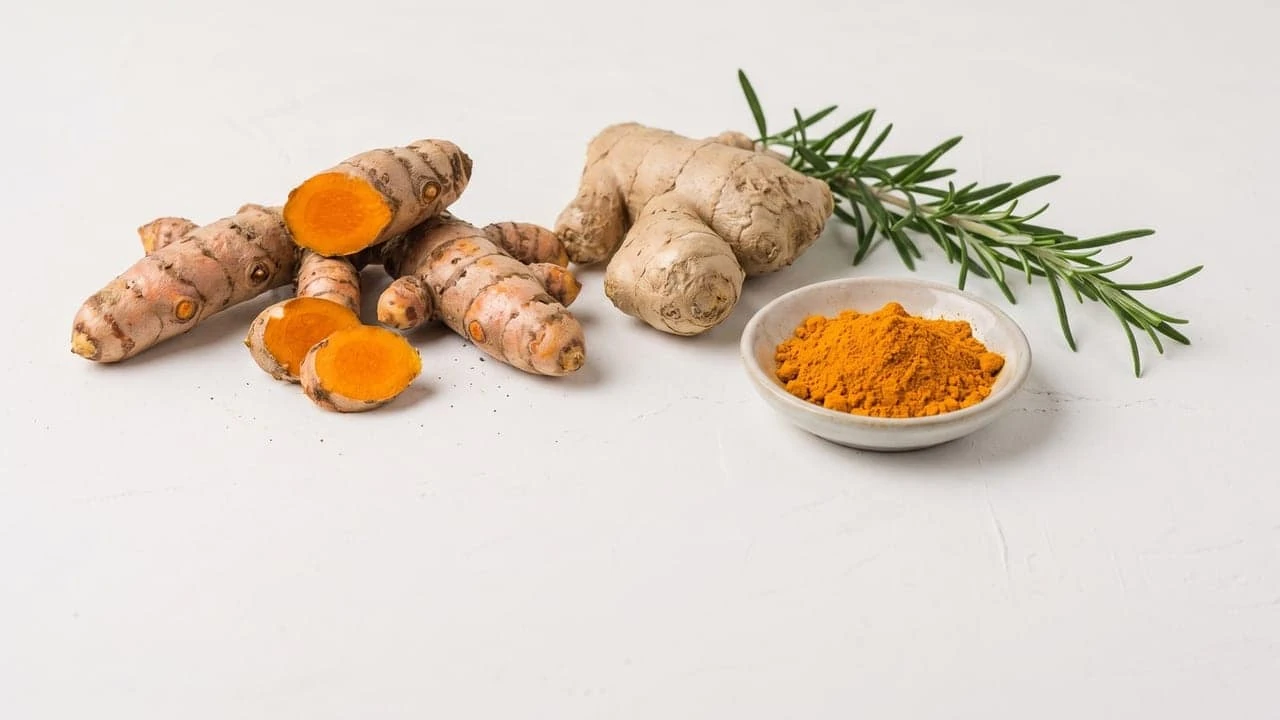
Gram for gram, dried herbs and spices are the most antioxidant-dense foods on earth, and I'd have you use more turmeric and ginger, as herbal teas or sprinkled on your food.12 I've called cinnamon probably the most powerful superfood to get around the holiday season, because of its ability to balance blood sugar.26 Across 28 randomized trials with 3,054 adults with type 2 diabetes, cinnamon supplements lowered fasting blood sugar by about 15 mg/dL (15.26) and HbA1c by 0.56 points compared with placebo or no treatment.39 For turmeric, in a network analysis of 23 trials with 2,175 people with knee osteoarthritis, curcumin, its main active compound, eased pain compared with placebo and came with about half the odds of side effects that anti-inflammatory painkillers caused.40 And across 16 randomized trials with 1,010 people, ginger supplements lowered three markers of inflammation: CRP, hs-CRP and TNF-alpha.41 Cook with all three, and keep a jar of homemade pumpkin pie spice within reach.
My longevity protocol calls for 2 to 3 cups of green tea a day.3 Matcha is the whole tea leaf ground into powder, so you drink the leaf itself, and when I make my matcha green tea in the morning, I sweeten it with honey.8 Across 24 randomized trials with 1,697 people, green tea or its extract lowered both systolic and diastolic blood pressure by a little more than 1 point.42
Raw honey is number six on my biblical list, and my rule for it is simple: eat it, but not too much.8 My daily amount is 1 teaspoon to 1 tablespoon of raw local honey, plus local bee pollen.43 Manuka honey is an everyday sweetener too, and as a sweetener I've called it by far the best.43 Stir it into tea, drizzle it over kefir and figs, or use it in place of sugar in a holiday recipe.
Dark chocolate at 85% cacao or higher is one of the top 10 foods in my longevity protocol, at 1 to 2 squares, because cocoa flavanols support blood flow and your mitochondria.3 An ounce of 70% to 85% dark chocolate carries 3.4 mg of iron, 65 mg of magnesium and 0.50 mg of copper, more than half the Daily Value.220 Raw cacao nibs give you the bean with no added sugar. Enjoy a square after dinner, or stir cacao into your morning smoothie.
Traditional Chinese medicine and Ayurveda both use food as medicine, matched to the season and to the organ systems that need support at that time of year.26 In Chinese medicine, orange and yellow foods are favored in the fall and goji berries are used to build the blood, while Ayurveda pairs turmeric with a healthy fat and warming spices like ginger and black pepper.264412
When you look at traditional Chinese medicine and Ayurveda, there is an idea around eating foods that are in season and eating certain foods that are going to support organ systems at different times of the year.Dr. Josh Axe, DC, DNM, CNSFrom Top 5 Holiday Superfoods You Didn't Know You Needed, The Dr. Josh Axe Show (2024), at 2:23
Long before anyone measured a vitamin, healers in traditional Chinese medicine and Ayurveda were choosing foods by the season and by what the body needed, and many of the foods they chose are on this list. There's a principle in Chinese medicine that in the fall, especially early fall, you want more foods that are orange and yellow, such as spaghetti squash, acorn squash, butternut squash, sweet potatoes and pumpkin. As I've taught, these foods are very nourishing to your pancreas, and they're naturally sweet without having to tax your blood sugar.26
Goji berries, also known as lycium or wolfberry, are another Chinese medicine food. Chinese medicine uses them to bring moisture to the skin, and they're very building of the blood, which is why my wife Chelsea and I both put a tablespoon of goji berry powder in our morning breakfast smoothie.44 Goji is listed among the top 120 herbs in the Shen Nong Ben Cao Jing, the oldest book on Chinese herbs, and it has been used ever since to strengthen the body and prolong life.45
Ayurveda pays just as much attention to which foods go together. An ancient Ayurvedic drink combined turmeric with a healthy fat, coconut milk or ghee, and a warming blend of ginger, black pepper and long pepper, all to help carry turmeric's compounds into your cells, and I drink a turmeric ginger tea regularly for the same reason.12 What I really love about Ayurvedic and Chinese medicine is that they don't think of a single food as medicine; they make the entire meal a form of medicine.12 Our guide to Chinese herbs and superfoods covers more of them, and eating seasonally shows how to put the principle to work at your own table.
Build each meal around two or three superfoods, use olive oil as your everyday fat, add a fermented food and some berries, nuts or seeds each day, and let these foods crowd out the processed ones.38
You don't need all 25 every day, and my challenge on the show was to add more of these foods for the next 30 days and let them crowd out anything bad you're eating.8 That crowding-out matters, because in an umbrella review of the observational research on ultra-processed foods, covering 49 health outcomes, eating more of them was tied to worse results on 25 of those outcomes and to better results on none.46
Here's what a day built on these foods could look like, the way I laid it out on my show:8
Morning: Goat milk kefir with figs, walnuts and raw honey.
All day: Extra virgin olive oil on everything.
Lunch: Bitter greens with wild-caught fish, and a little pomegranate afterward.
Afternoon snack: A handful of almonds.
Dinner: Grass-fed lamb with onions.
Before each meal: A prayer.
For more meals built this way, see our guide to the biblical diet.
Every morning I make a superfood smoothie with one scoop of a protein powder made from bone broth and organ meats and a scoop of a superfood powder.9 To build your own, blend a cup of berries with a tablespoon of ground flax or chia, a couple of tablespoons of coconut kefir or goat milk kefir, a protein powder you trust and enough water to blend, and add a spoonful of goji powder if you have it. Our breakfast smoothies guide has more combinations.
Around Thanksgiving and Christmas, I recommend focusing on foods that are orange, yellow and a deep blue, purple or red, and my five holiday superfoods are cranberries, cinnamon, sweet potatoes and squash, nuts like walnuts and pecans, and Brussels sprouts.26 When I have people who struggle with constipation, which tends to happen around the holidays and when you travel, foods like sweet potatoes, pumpkin and squash in a smoothie can help. Rather than fruit, I'll blend half a sweet potato with some flax meal, a vanilla protein powder and a whole teaspoon of pumpkin pie spice in the morning, and it's really good for bowel health.26 When you're traveling, walnuts and pecans with a handful of dried cranberries or dried blueberries make an easy trail mix.26 Look for unsweetened dried fruit when you can find it.
Ask Dr. Axe AI. Its answers draw on this library and show their sources.
These recipes put the list to work, from breakfast to the holiday table:
The roasted Brussels sprouts, cranberry sauce with pecans, red lentil soup, chicken liver pâté and bone broth recipes are linked in their entries above.
Yes, as an insurance policy for the days you don't get enough berries and vegetables, as long as the powder is made from whole foods rather than isolated extracts.944 Food still comes first, and a powder fills the gaps.12
The superfood powder in my morning smoothie has beet juice powder, spirulina and chlorella in it, and I call it an insurance policy, because many of us aren't getting enough berries and vegetables.9
If you want to take a longevity superfood supplement, don't just take the extract, take the entire food.Dr. Josh Axe, DC, DNM, CNSFrom The BIGGEST Causes of Fast-Aging Skin (How to Reverse Aging), The Dr. Josh Axe Show (2025), at 23:05
If you're taking an antioxidant supplement such as resveratrol, you're much better off with a superfood powder that has the whole foods in it, like blueberries, acai, maqui berries and pomegranate.44 The blueberry trial in the berries entry used a whole-food powder too, made from freeze-dried whole blueberries.31 A nutrient isolated from its food can behave very differently: in a randomized trial of 29,133 male smokers, 20 mg a day of synthetic beta-carotene for 5 to 8 years raised lung cancer by 18% compared with the men who didn't take it.47 That's why I recommend getting your vitamins and minerals from real, nutrient-dense foods rather than synthetic supplements.18
When you shop, look for a powder whose label names whole foods: greens like spirulina, chlorella and wheatgrass, reds like beets, acai, maqui berries and goji, and mushroom powder. Beets also help lower blood pressure: across 16 trials with 254 people, each of whom tried both, beetroot juice or nitrate lowered systolic blood pressure by 4.4 points compared with placebo.48 If you also take a multivitamin, I recommend a food-based one, since a low-quality drugstore multivitamin won't benefit you nearly as much.9
Superfoods are everyday foods and safe for most people in normal amounts. Take care with liver in pregnancy, vitamin K greens on warfarin, oxalates after kidney stones, seaweed powders with thyroid disease, mercury in fish, raw sprouts, dark chocolate's metals, bee pollen with allergies and honey for babies.
Pregnancy and liver: One 3-ounce serving of pan-fried beef liver holds 6,579 mcg of vitamin A, more than twice the 3,000 mcg daily upper limit for preformed vitamin A in adults, pregnancy included, and the NHS advises avoiding liver and liver products in pregnancy because that much vitamin A can harm the baby.2497 If you're pregnant, check with your OB before you eat liver.
Warfarin and other vitamin K blood thinners: Leafy greens are rich in vitamin K, which works against these drugs. A systematic review found that keeping your vitamin K intake steady matters more than cutting it, so keep your greens about the same from week to week and tell your prescriber before any big change.50
Kidney stones: In three large cohorts with 240,681 people, men and older women who ate the most oxalate had a modestly higher risk of kidney stones, and spinach supplied more than 40% of the oxalate they ate.51 If you've had calcium oxalate kidney stones, rotate in lower-oxalate greens; oxalates aren't harmful in small amounts, but overdoing high-oxalate foods, especially with poor gut health, can contribute to stones in susceptible people.18
Thyroid disease and seaweed-heavy powders: Iodine above the 150 mcg adults need each day is generally well tolerated, but people with thyroid disease, older adults and babies before and after birth are more susceptible to thyroid problems from too much.52 If that's you, read the label on any greens powder made with kelp or other seaweed.
Mercury in fish: Choose wild fish from the FDA and EPA's Best Choices list, which includes salmon, sardines, herring and Atlantic mackerel, and skip the fish you should never eat. In pregnancy and while breastfeeding, the agencies advise 2 to 3 servings a week from that list, 4 ounces each.53
Raw sprouts: Sprouts grow in warm, humid conditions that also suit Salmonella, Listeria and E. coli, so the FDA advises children, older adults, pregnant women and anyone with a weakened immune system to skip raw or lightly cooked sprouts of any kind.54
Dark chocolate: Cocoa can carry lead and cadmium, and for cadmium, more cocoa solids usually means more, so keep dark chocolate to a square or two and choose a bar tested low in both metals, as in our ranking of the best dark chocolate.55
Bee pollen: It's concentrated pollen, so it can cause allergic reactions, occasionally severe ones. Skip it if you have asthma, if you've ever had hives, swelling or trouble breathing from pollen, bee stings or bee products, if you're pregnant or breastfeeding, or if you take warfarin; with hay fever, start it only with a practitioner who knows your allergy history.56
Babies under 12 months: Never give honey, raw or cooked, to a baby under 12 months. It can carry the spores behind infant botulism, a serious illness.5758
Superfoods are the whole foods that give you the most for every bite, from wild fish, liver, eggs and broth to greens, berries, olive oil, fermented foods, nuts, seeds and spices. Eaten together, they feed your gut, switch on your cells' cleanup work and calm the inflammation behind so much of what we call aging, and in studies that followed people for years, those who ate the most fruits and vegetables had a lower risk of death from any cause.11
Start with two or three this week and build from there, and let them crowd the processed foods off your plate. The free Mitochondrial Longevity Protocol turns this list into a week of meals.
As Psalm 104:14 says, "He causeth the grass to grow for the cattle, and herb for the service of man: that he may bring forth food out of the earth."59 Your body was designed to heal, and the foods He brings out of the earth give it what it needs to do that work every day.
Its top 10 longevity foods and 7-day meal plan put the superfoods on this page into a daily routine.
Free with your Dr. Axe account (email or Google). You'll also get the protocol's short email series and the Dr. Axe newsletter; unsubscribe anytime.
Open the free protocol →Superfoods are whole foods that pack an unusually large amount of nutrients and protective compounds into a normal serving, such as wild-caught fish, beef liver, leafy greens, berries and fermented vegetables.12 I recommend building every meal around them, because food is the daily signal your cells read.3
The 25 on this list are wild-caught fatty fish, beef liver, grass-fed beef and lamb, pasture-raised eggs, bone broth, leafy and bitter greens, cruciferous vegetables, broccoli sprouts, sweet potatoes and squash, garlic and onions, mushrooms, lentils, berries, cranberries, pomegranate, figs, extra virgin olive oil, fermented vegetables, cultured goat and sheep milk, nuts, seeds, healing spices, green tea, raw honey and dark chocolate.83
For inflammation, lean on extra virgin olive oil, wild fatty fish, berries and pomegranate, fermented foods, broccoli sprouts, walnuts and flax, and spices like turmeric and ginger; for energy, beef liver is one of the richest foods in B vitamins and iron.1222 Across 33 randomized trials with 3,476 adults, a Mediterranean diet built on many of these foods lowered hs-CRP, IL-6 and IL-17, three blood markers of inflammation.14
Yes, as an insurance policy for the days you don't get enough berries and vegetables, if the powder is made from whole foods rather than isolated extracts.944 In a 6-month placebo-controlled trial of adults with metabolic syndrome (115 finished), a freeze-dried whole-blueberry powder equal to a cup of blueberries a day improved how well blood vessels relaxed.31
They support a healthy weight as part of how you eat, because foods like fish, eggs, lentils, greens and berries bring protein, fiber or both for their calories, and they crowd ultra-processed foods off your plate.28 A cup of cooked lentils, for example, carries 16 grams of fiber and 18 grams of protein for 230 calories.2
November 7, 2026 — Rewrote the page in Dr. Axe's voice and around his food-first approach, replacing the 2024 staff-written list, with 59 numbered references (the earlier page linked some studies inline but had no reference list). Kept 25 superfoods, now grouped from proteins and vegetables to fruits, fats, ferments, nuts, seeds and spices, each with USDA FoodData Central numbers for a stated serving and Dr. Axe's amounts. Added beef liver with his once-a-week guideline, grass-fed beef and lamb with the WHO cancer agency's classifications, broccoli sprouts, cranberries with the 2023 Cochrane review, pomegranate, figs, lentils, garlic and onions, mushrooms and cultured goat and sheep milk. Folded kale, Swiss chard, mustard greens and broccoli rabe into the greens and cruciferous entries, raspberries into berries, almonds into nuts, avocado into the section on absorbing more, goji into the berries entry and the traditional medicine section, and spirulina, acai and wheatgrass into the superfood powders section; moved coconut to coconut kefir; replaced plain milk with cultured goat and sheep milk; removed grapefruit, raw kale shakes, and uncited claims about cancer, weight loss, goji's antioxidant multiple and almonds' calcium. Added how superfoods work in your body, with a step-by-step diagram of sulforaphane, the traditional Chinese medicine and Ayurveda section in Dr. Axe's words, a sample day, a holiday section, a recipes section that keeps the earlier page's recipe ideas, superfood powders, one safety section, three charts and an FAQ.

This article is for educational purposes. See our medical disclaimer.