
This Dr. Axe content is medically reviewed or fact checked to ensure factually accurate information.
With strict editorial sourcing guidelines, we only link to academic research institutions, reputable media sites and, when research is available, medically peer-reviewed studies. Note that the numbers in parentheses (1, 2, etc.) are clickable links to these studies.
The information in our articles is NOT intended to replace a one-on-one relationship with a qualified health care professional and is not intended as medical advice.
This article is based on scientific evidence, written by experts and fact checked by our trained editorial staff. Note that the numbers in parentheses (1, 2, etc.) are clickable links to medically peer-reviewed studies.
Our team includes licensed nutritionists and dietitians, certified health education specialists, as well as certified strength and conditioning specialists, personal trainers and corrective exercise specialists. Our team aims to be not only thorough with its research, but also objective and unbiased.
The information in our articles is NOT intended to replace a one-on-one relationship with a qualified health care professional and is not intended as medical advice.
Why Is Glyphosate in Food? Health Risks & How to Avoid It
February 23, 2026
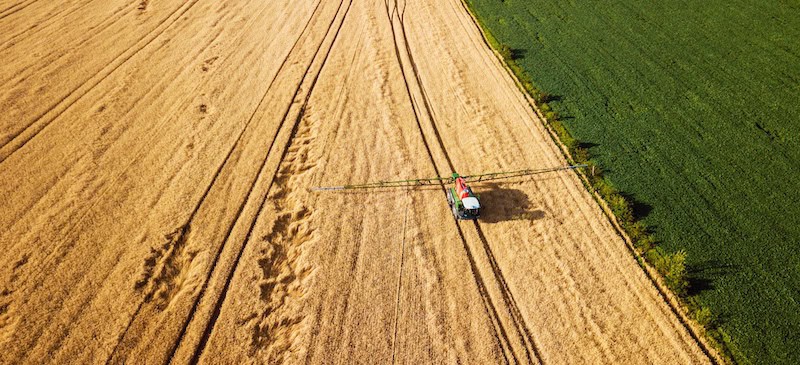
In today’s food-system landscape, questions are increasingly asked about hidden contaminants in our meals. One such compound, glyphosate, is at the center of debate because there have been an alarming number of studies that reveal glyphosate in food items just about everyone eats.
In fact, there has been glyphosate found in cereal, breads, oats, legumes, processed foods and more, raising the concern about glyphosate toxicity.
So what is glyphosate, how does glyphosate in food happen, which foods commonly contain it, what are the potential dangers and what practical steps you can take to avoid it? Keep reading to find out.
What is glyphosate?
Glyphosate is the active ingredient in many broad-spectrum weed-killer products, often labelled as an herbicide. More precisely:
- It is a non-selective systemic herbicide, meaning it helps kill weeds and grasses that compete with crops.
- It was introduced in the 1970s.
- Because it’s cheap and efficient, it quickly became one of the most commonly used agricultural chemicals worldwide, and it’s still one of the most widely used herbicides globally.
- Agricultural regulatory agencies, such as the U.S. Environmental Protection Agency (EPA) and Food and Drug Administration (FDA), maintain that, when used according to label directions, glyphosate poses “no risks of concern” to human health from residue in food.
- Yet other reviews have shown exposure exists, and there is ongoing scientific debate about long-term, low-dose effects.
In short, glyphosate is an herbicide used in large-scale agriculture, and residues of it can enter the food supply.
How does glyphosate end up in food?
Understanding the pathway from field to table is key to understanding how glyphosate in food happens. Here are ways foods can be contaminated with this herbicide:
- Crop application and pre-harvest use. Glyphosate may be applied to crops not just for weed control, but sometimes for crop desiccation (drying down) before harvest or as part of weed-management in genetically modified crops tolerant to it.
- Residues on or in the crops. After application, trace amounts of glyphosate (and its metabolite AMPA) may remain in or on the harvested crop. Studies show that such residues are measurable in cereals, grains, vegetables and other foods.
- Food processing and exposure. These crops become food ingredients, so any residue may carry forward into processed foods (e.g., cereals, pasta) as well as into raw produce. A key review stated: “Consumption of food and water is a significant source of chronic and ongoing glyphosate contamination.”
- Dietary exposure via ingestion. The human body can take in glyphosate through the diet (and other routes, such as drinking water or air near agricultural areas). The Centers for Disease Control and Prevention (CDC) notes that diet is a factor in glyphosate contact, revealing that non-organic fruits, juices, vegetables and cereals are all possible sources.
Thus, glyphosate enters our food system first via agricultural application, then through residues on crops and finally into what we eat. That’s how glyphosate in food happens.
New research and longstanding safety debates continue to shape how glyphosate is perceived globally. Independent, long-term studies have strengthened evidence of potential health risks from chronic exposure to glyphosate and its formulations.
In a significant development late in 2025, a decades-old research paper often cited to support glyphosate safety was formally retracted by the journal that published it, Regulatory Toxicology and Pharmacology, due to concerns about ethical conflicts and industry influence. This study had historically been used to argue that glyphosate posed no risk to human health, and its retraction has reignited scientific and public debate over glyphosate’s safety.
Public health advocates have also renewed calls to pause glyphosate use and reassess its role in food systems, citing evidence of residues in crops and human tissues as well as potential disease associations. These calls come as some grassroots and consumer groups urge more stringent monitoring and a re-evaluation of acceptable residue limits in foods.
Regulatory changes and legal actions
On the regulatory front, several official actions have occurred both domestically and internationally:
- In early 2026, the U.S. federal government issued an executive order under the Defense Production Act designating glyphosate-based herbicides as critical to national food production and agricultural resilience. This directive is intended to preserve supply chains for glyphosate and related inputs, though it also provides certain legal protections for domestic producers and signals continued regulatory support for glyphosate’s agricultural use.
- Meanwhile, major litigation in the U.S. over glyphosate-linked health claims is nearing a potential resolution. In early 2026, the manufacturer Bayer proposed a multi-billion-dollar settlement of Roundup (glyphosate) lawsuits alleging cancer links. This settlement still requires court approval, and the company maintains that glyphosate products remain safe when used appropriately.
Internationally, some regulatory bodies such as New Zealand’s Environmental Protection Authority have recently reviewed glyphosate controls and decided not to initiate a broad reassessment at this time, concluding that existing residue and safety limits are in line with international standards … though the topic remains under legal and public scrutiny in those jurisdictions.
What this means for consumers
These developments reflect a complex landscape in which scientific findings, regulatory decisions, legal actions and public opinion all interplay:
- Science: The body of research on glyphosate’s long-term health effects continues to grow, with new studies and re-examinations of older foundational research influencing public and professional discourse.
- Regulation: Governments are balancing agricultural reliance on glyphosate with health and environmental concerns, sometimes choosing to maintain current usage policies while also facing pressure for reassessment.
- Consumer impact: For people concerned about glyphosate in food, the broader debate may affect future labeling, regulatory limits and available agricultural practices. As of early 2026, glyphosate remains widely used in agriculture, and regulatory agencies generally maintain that residues below established limits are not proven to pose immediate health hazards.
Common foods with glyphosate
While exact residue levels vary by crop, region and farming practices, some foods are repeatedly flagged in monitoring studies include:
- Grains and cereals: A report from the Environmental Working Group (EWG) found glyphosate in all tested wheat-based foods (e.g., pasta samples ranged from about 60 to 150 parts per billion) in one sampling. Grains that often have it include wheat, barley, rye, breakfast cereals, granola bars, etc.
- Oats and oat-based products: Oat-based foods, such as oatmeal, intended for children and adults have been shown to contain detectable glyphosate residue.
- Processed foods made with cereal grains (pasta, baked goods): Because grains often are treated, the processed end-products can carry residues. Ultra-processed foods are particularly susceptible.
- Conventional (not organic) produce: Since the herbicide is applied broadly in conventional farming, produce grown non-organically can carry traces, such as apples, grapes, berries and potatoes.
- Legumes and pulses: Lentils, chickpeas and beans frequently used in snacks are flagged for residue.
- Corn and soy-based products: Corn tortillas, chips, soy milk, tofu, soy protein powder and more can be contaminated because corn and soy tend to be heavily treated.
- Snack foods made from above ingredients: Crackers, cookies and some protein bars often test positive due to grains and legumes used.
- Nut butters and almonds: Conventional peanut butter, almond butter and even roasted almonds can contain glyphosate residues from pre-harvest treatments and contaminated feed or soil.
- Hummus and dips: Because chickpeas and other legumes are often desiccated with glyphosate before harvest, hummus, lentil dips and similar spreads may contain measurable residues.
- Gluten-free foods: Gluten-free packaged foods frequently rely on oats, corn, rice and legumes, all crops known to test positive for glyphosate, making them a surprising potential source.
It’s not that every item carries large amounts. For instance, one review shared that 99 percent of glyphosate residues in food were below the maximum residue limits or tolerances set by regulatory bodies.
However, the presence, even at low levels, raises questions, particularly for frequent consumption, vulnerable populations (the elderly, children, pregnant women, etc.) and cumulative exposure.
Potential dangers of glyphosate in food
What does the science say? Let’s examine possible health concerns.
1. Unknown effects of chronic low-dose exposure
While acute toxicity for glyphosate is relatively low compared to many herbicides, chronic long-term exposure is less well understood. Considering it was introduced in the 1970s, the long-term effects could begin to unearth themselves, though we still don’t know for sure what this longtime exposure means for our health.
2. Increased risk of cancer
One major point of debate: the classification of this herbicide. The International Agency for Research on Cancer in 2015 classified glyphosate as “probably carcinogenic to humans.”
On the other hand, the EPA in its risk assessment concluded that glyphosate is “not likely to be carcinogenic” under current exposures.

This discrepancy reflects differences in how hazard vs. risk are evaluated, plus different study sets. A 2024 review published in Frontiers in Toxicology found strong evidence for links of this herbicide to genotoxicity, endocrine disruption and other health issues in some glyphosate studies.
3. Hormone, endocrine and reproductive effects
Some research suggests glyphosate-based herbicides may act as endocrine disruptors. For example, a mini-review found evidence of estrogenic or androgenic effects in formulations.
This can have a negative effect on thyroid health, fertility and metabolism, and the risks can increase when combined with exposure to other chemicals.
4. Neurotoxicity and organ impacts
Animal and limited human studies have revealed that glyphosate exposure may negatively influence nervous system development and potentially lead to liver or kidney damage and metabolic dysfunction. For instance, a systemic review found that exposure to this herbicide may be linked to neurotoxicity in animal and human studies.
Another review published in 2025 highlighted emerging links to liver disease and altered metabolism.
5. Gut microbiome and digestive health implications
Glyphosate may alter gut microbiota balance, reducing beneficial bacteria while allowing harmful strains to thrive. This can affect digestion, immunity, nutrient absorption and may contribute to weakened immune function and digestive issues.
It’s believed that long-term dietary exposure to herbicides like this may negatively affect gut bacteria and digestive function.
6. Exposure in vulnerable populations
Children, the elderly and pregnant women may be more susceptible to environmental chemicals. The review of human exposure data noted limited but measurable urinary glyphosate levels in both general and occupational populations, meaning it’s very likely these populations are regularly exposed to this potentially harmful herbicide.
7. Impact on nutrient absorption
Some researchers believe glyphosate may interfere with mineral uptake, particularly manganese and zinc, which are essential for immune and metabolic function. Over time, this could contribute to subtle nutrient shortfalls.
While regulatory bodies currently consider the dietary risk from glyphosate residues to be low, multiple independent reviews urge caution due to gaps in long-term human data, particularly on low-dose and mixed-chemical effects. From a health optimization standpoint, reducing unnecessary exposure is a wise choice.
8. Oxidative stress and inflammation
Emerging research points to glyphosate’s potential to increase oxidative stress in cells, leading to higher levels of free radicals and chronic inflammation. These changes may accelerate aging processes, weaken immune function, and increase risk for metabolic and cardiovascular conditions.
How to avoid glyphosate in food
Here are practical steps to minimize exposure in your diet:
1. Choose organic when possible
Certified organic crops cannot use most synthetic herbicides, including glyphosate, so organic produce and grains offer a lower-exposure option. A study published in Environmental Research showed that in just six days of eating an organic diet, glyphosate body levels dropped by about 70 percent.
2. Look for glyphosate-free certifications
Some companies now test their products and display this certification, providing extra assurance beyond organic labeling, meaning independent lab testing shows minimal to non-detectable levels in the finished product.
3. Prioritize less-processed whole foods
Processed cereals, breads and pasta (especially made with conventionally grown grains) may carry higher residues. Processed grains and snacks often contain the highest levels.
Choosing whole foods, less refined grains and checking sourcing help.
4. Wash and peel produce
While peeling may not remove systemic residues, washing helps remove surface contaminants. This is an especially good idea for produce grown near sprayed fields.
5. Support diversified crop rotation and sustainable farming
From a broader perspective, choosing products from farms that adopt minimal-herbicide or regenerative agriculture practices reduces systemic exposure.
6. Reduce consumption of foods with known higher residue risk
While not a full ban, reducing reliance on foods such as conventional oats, conventional grains and processed cereals may lower your glyphosate intake. These risky foods are likely to contain at least small particles of this herbicide.
7. Buy from local farmers you trust
Farmers markets and community-supported agriculture programs often offer produce grown without glyphosate. Talking directly to growers allows you to ask about their farming practices.
8. Choose non-GMO grains and legumes
Many genetically modified crops are designed to tolerate heavy herbicide spraying. Opting for non-GMO or heirloom varieties can reduce risk.
9. Diversify and rotate your diet
Eating a wide variety of foods lessens the chance of consuming high levels of glyphosate from a single source.
10. Support gut health
Since this chemical may negatively impact gut bacteria, incorporating probiotic-rich foods like sauerkraut, kimchi, kefir and kombucha can help maintain balance. You also want to stay hydrated, consume gut-friendly nutrients and supplements, and make sure you move your body to keep your gut in tip-top shape.
11. Pay attention to the Dirty Dozen and Clean 15 lists
Every year, EWG releases its Dirty Dozen list of the most heavily sprayed and contaminated crops, along with a Clean 15 list of the produce that typically has the lowest levels of pesticides and herbicides.
Being aware of these lists helps you prioritize which produce to buy organic.
By combining these steps, you take actionable control over lowering glyphosate exposure in your diet.
Safest glyphosate-free foods
While no food can be guaranteed zero risk, here are categories generally lower in glyphosate residue:
- Certified organic vegetables and fruits (grown without usage)
- Organic legumes: lentils, black beans and chickpeas when certified organic
- Organic grains: quinoa, millet, buckwheat and amaranth (naturally gluten-free and not sprayed)
- “Glyphosate Residue Free” certified products (look for labeling or certification)
- Foods grown in minimalist chemical-use farms, locally sourced, with transparent supply chains
- Pasture-raised animal products: organic eggs, grass-fed beef and pasture-raised poultry that come from farms avoiding glyphosate-treated feed.
- High-quality proteins: bone broth protein powders, organic pea protein and collagen from trusted and tested sources.
- Filtered water and herbal teas: simple ways to stay hydrated without added chemical exposure.
By building your diet around these safer-source foods, you can substantially reduce your glyphosate in food exposure.
Frequently asked questions
Is glyphosate in food?
Yes. Multiple studies and food safety reports have confirmed that glyphosate residues are present in many everyday foods, including cereals, breads, crackers, beans and soy products.
What is glyphosate in food?
Glyphosate in food refers to the residues of this herbicide that remain on crops after spraying. It is most commonly found in conventionally grown grains, legumes and processed foods made with these ingredients.
Why is glyphosate in food?
It is used by farmers to control weeds and sometimes to dry crops before harvest (a process called desiccation). Because of its widespread agricultural use, residues often remain in the food supply.
What food is glyphosate in?
Glyphosate is most often found in wheat, oats, barley, rye, corn, soy, beans, lentils and products made with these ingredients, such as cereal, crackers, protein bars and snack foods.
How do you avoid glyphosate in food?
The best way to avoid glyphosate in food is to choose organic products, look for “Glyphosate Residue Free” certifications, and reduce your intake of processed snacks made with conventional grains and legumes.
Can you completely eliminate glyphosate from your diet?
It may be difficult to completely eliminate exposure since it is so widely used. However, choosing organic and certified glyphosate-free products can significantly lower your intake.
How can I detox from glyphosate exposure?
While there’s no single “glyphosate detox,” supporting your body’s natural detox pathways can help. Eating a nutrient-dense diet rich in antioxidants, staying hydrated, consuming probiotic foods for gut health and reducing overall toxin exposure are all smart strategies.
Conclusion
- Glyphosate is a widely used herbicide, and its residues appear in many foods via agricultural use, crop residues and food processing. Glyphosate in food happens via crop application and residue transfer into our diets.
- Common foods with detectable residues include grains, cereals, pasta, legumes, corn, soy and many processed foods. While most residues are below regulatory limits, the long-term health impact of low-dose exposure remains under investigation.
- Potential dangers include gut health disruption, hormone effects, oxidative stress, nutrient absorption interference and possible links to cancer, especially for vulnerable populations and those with chronic exposure.
- To minimize exposure, choose organic, look for glyphosate-residue-free labels, opt for whole and less-processed foods, wash produce, support farming systems that reduce herbicide use, diversify your diet, and support gut health.
Popular Nutrition Posts