





Advertisement
nutrition

Adapted from "The Collagen Diet: A 28-Day Play for Sustained Weight Loss, Glowing Skin, Great Gut Health and a Younger You" by Dr. Josh Axe
Research shows that consuming a diet high in antioxidants can keep free radicals in check and protect collagen. An anti-inflammatory diet includes a variety of healthy foods that contain vitamin C and many of the other collagen co-factors — substances that bolster your body’s ability to absorb and utilize the collagen you get in your diet.
What's your biggest goal right now?
If you’re interested in doing everything you can to preserve and promote this important tissue, the very best approach is to augment your collagen-rich diet with indispensable collagen-boosting foods, herbs and spices that protect your cartilage, skin, tendons and ligaments from the ravages of age ... as well as avoid the worst foods for collagen, aka collagen-destroying foods.
Dark, leafy greens are great sources of vitamins C, E and A, plus other collagen co-factors, like zinc, manganese and copper — all of which support collagen production. Broccoli, Brussels sprouts, cabbage, celery, beets, asparagus and cauliflower are valuable collagen-protecting allies as well.
Other inflammation-lowering veggies include:
And don’t forget allium vegetables like garlic, onions, leeks, chives and shallots. These veggies add tons of flavor to food and pack whopping health benefits, since they’re high in flavonols and organosulfur compounds, which make them effective antioxidants and anti-inflammatories.
Among the most effective anti-inflammatory polyphenols (plant-based nutrients with antioxidant activity) are compounds known as anthocyanins, which give blueberries, strawberries, raspberries and blackberries their lovely red, blue and purple hues. One study found that after eating 375 grams of blueberries, people had lower levels of oxidative stress markers and higher levels of anti-inflammatory cytokines in their blood.
I’m also a big fan of elderberries, cranberries, acai, maqui and goji berries, all of which have sky high ORAC (oxygen radical absorption capacity) scores, which means they’re especially good at absorbing and eliminating free radicals. Case in point: One study found that mice, after drinking 5 percent goji juice, had higher levels of protective antioxidants in their skin – and significantly less inflammatory swelling — after sun exposure.
Cherries, grapes, avocados, olives, kiwi, apples, pineapple, oranges and other citrus fruits all lower inflammation and fight free radicals as well.
Having a robust population of good bacteria in your gut is critical for reining in inflammation. Here’s one key reason why: When you have a preponderance of unhealthy bacteria in your gut, your gut lining becomes more permeable, allowing undigested protein molecules and pathogens into your circulatory system.
This triggers your immune system and leads to chronic inflammation. As a result, it’s important to eat foods that support the growth of healthy bacteria, like colorful plant-based foods — as well as fermented foods, the all-stars of the probiotic world.
Fermented foods to add to your diet include:
Likewise, raw, organic apple cider vinegar, made from fermented apples, has been used in healing for centuries and can promote gut health. It also is a great source of vitamin C, a terrific collagen booster.
In addition to consuming the amino acids found in collagen, it’s also important to get a healthy quantity of other amino acids — many of them essential amino acids — from other types of protein.
Wild-caught fish is at the top of my list, because it has a full complement of amino acids, plus it is rich in sulfur. Tuna, sardines and mackerel are all excellent sources of omega-3s as well.
Bone broth is a powerful inflammation-fighter. A study published in the journal Chest found that sipping chicken broth reduced the number of white blood cells that cause inflammation-related symptoms, like stuffy nose.
Grass-fed beef, lamb, venison and other meats (I don’t recommend pork or shellfish, because they are often contaminated with toxins) are important because they contain complete proteins, meaning they give you the full gamut of essential amino acids your body can’t live without.
Pasture-raised poultry, like chicken or turkey, has an amino acid profile similar to that found in your body. Meanwhile, raw, organic and fermented dairy products, like milk, yogurt, kefir and cheese, offer the complete gamut of essential amino acids, plus calcium and, in the case of yogurt and kefir, gut-healing microbes.
Plants have protein, too. Legumes, beans, nuts, seeds, 100-percent whole grains and even some veggies, like leafy greens and cruciferous vegetables, provide a variety of amino acids.
Healthy fats, like coconut oil, grass-fed butter, ghee, nuts and seeds, should be a part of your daily diet. They support nutrient absorption, appetite control, hormone production and mental health.
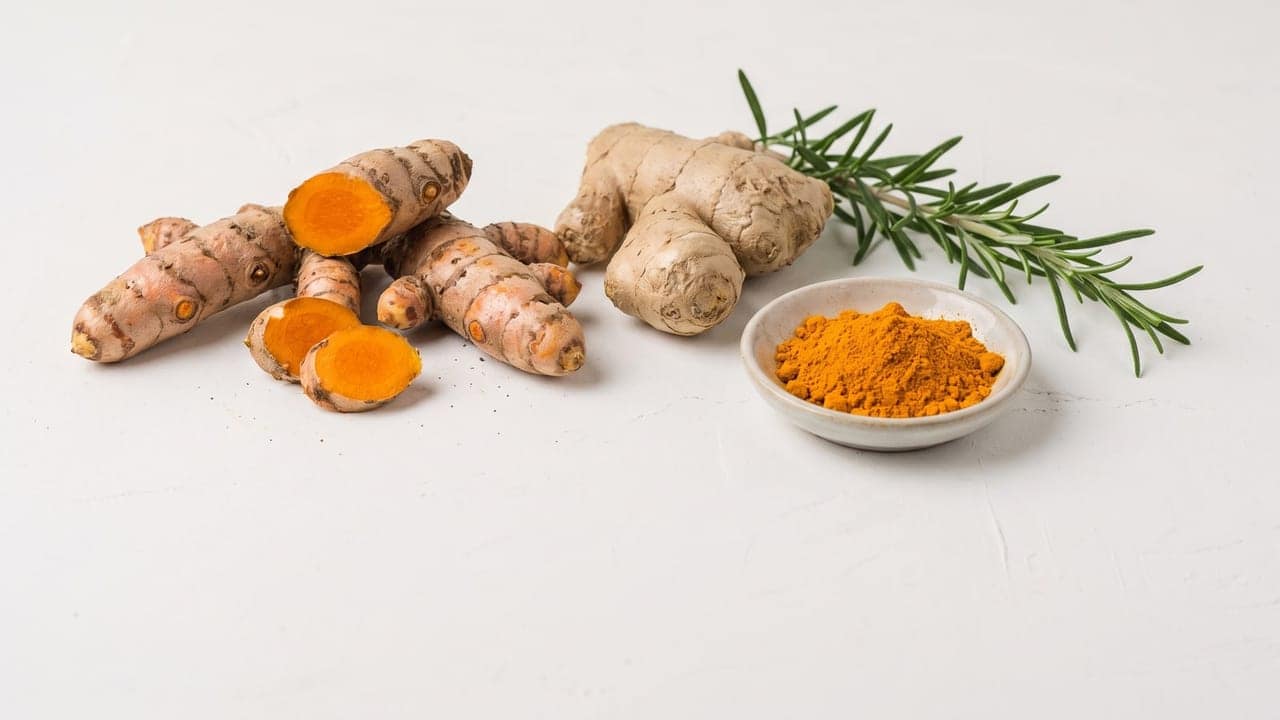
The herbs and spices that should be a part of your collagen-boosting, anti-inflammatory diet include:
They all contain flavonoids that are involved in antioxidant defenses, a healthy inflammation response and cell renewal.
A study published in the Journal of Agricultural and Food Chemistry found that clove and cinnamon sticks are the most potent antioxidants out of the 26 herbs and spices studied.
Supplemental herbs and mushrooms can bolster your efforts at minimizing inflammation. For instance, ashwagandha, an “adaptogenic” herb, can rectify imbalances in the body and reduce the effects of stress and free radical damage.
A study published in the Journal of Complementary and Integrative Medicine showed that ashwagandha exhibited antioxidant activity and lowered inflammation in rats with arthritis — effects comparable to those of methotrexate, a commonly prescribed pharmaceutical.
Other adaptogenic herbs used by ancient healthcare systems like Ayurveda and Traditional Chinese Medicine include Asian and American ginseng, astragalus and rhodiola.
Similarly, a variety of mushrooms possess antioxidant properties, and studies show they may offer protection against collagen degradation and promote collagen synthesis, especially in wound healing. Free-radical-scavenging mushrooms include Sparassis crispa, or cauliflower mushrooms, Agaricus bisporus (when mature it’s known as a portobello), reishi, white oyster mushroom and the giant funnel mushroom.
The medical field has long recognized that green tea’s high antioxidant content offers protection from heart problems and cancer. More recent studies have shown that it has anti-inflammatory properties as well.
I’m a fan of matcha, a high-grade, finely ground, concentrated green tea. As a result, matcha offers a more potent blend of nutrients and antioxidants called polyphenols, which have an anti-inflammatory effect. I drink a cup or two every day.
Another beverage with anti-inflammatory properties is red wine. It contains resveratrol, a plant-based polyphenol molecule that has been shown to protect cartilage.
Dark chocolate contains flavonoids and polyphenols, both of which fight free radicals. Look for chocolate that is 70 percent cocoa or higher. Such varieties contain more antioxidants and less sugar.
Dark chocolate also contains collagen co-factors, like zinc and manganese. Cacao, which comes from the seeds of fruits of the cacao tree (from which dark chocolate is made), is a superfood in its own right, containing a variety of unique collagen-boosting phytonutrients, including high amounts of sulfur and magnesium.
30-day protocol
The complete root-cause framework for cooling chronic inflammation — and easing the aches, stiffness, puffiness, fatigue and brain fog that sit upstream of nearly every chronic disease.
Free with your Dr. Axe account
View the protocol →Just as there are foods that can protect and enhance your collagen levels, there are ones that can tear it down. In order to preserve this precious tissue, avoid these collagen-destroying foods:
Crackers, cookies, cereal, pasta, bread and baked goods contain sugar and chemicals that are damaging to collagen molecules, thereby diminishing the quality of the tissue, and can erode the quantity of your collagen as well.
Fried foods fuel inflammation, creating an internal environment that puts collagen at risk.
Sugar is collagen’s nemesis. It causes your insulin to spike, which leads to inflammation. As I’ve mentioned before, it creates advanced glycation end products, also known as glycotoxins, which fuel free radical damage and inflammation.
Hot dogs, pepperoni, salami and lunchmeat are packed with nitrates and other chemicals that can lead to inflammation. Avoid them if you can.
Knowing what to eat is empowering because it provides you with the basic information you need to choose foods with confidence. The best part: A diet that’s healthy for collagen is super-nutritious for the rest of your body as well.
By adopting a collagen-boosting diet — and avoiding collagen-destroying foods — you’re really committing to a wellness-boosting diet — one that will make you feel and look your best. Here’s to enhancing collagen … and your life!