





Advertisement
health

Never heard of homocysteine before and wondering what causes someone to have elevated homocysteine levels?
Homocysteine is a specific type of amino acid that's created in the body during metabolic processes, as opposed to consumed in food. It's produced in the body as a byproduct of methylation, the process of producing an essential protein called methionine.
In healthy people, this amino acid is transformed into a benign product that keeps levels maintained, but when homocysteine isn't properly metabolized it builds up inside the body and acts similarly to a toxin. This causes inflammation to rise and creates more byproducts that cause changes in cardiovascular, neurological and endocrine systems.
High homocysteine is a common cause of inflammation of the arteries and therefore tied to heart disease. Heart disease is a leading cause of death, and some research suggests that many heart attacks and strokes might be tied to high homocysteine levels.
Starting around the 1960s, doctors uncovered that genetically inherited high homocysteine levels were the cause of fatal heart problems in certain children, and this encouraged researchers to investigate links between elevated homocysteine and cardiovascular diseases in adults too.
Disorders that cause abnormal homocysteine levels can contribute to a wide range of other health problems and symptoms too, such as decreased vision, fatigue or depression, along with skeletal abnormalities in children.
Although it's not always possible to "cure" abnormal homocysteine levels since many are caused by a genetic inheritance, there are natural ways to help manage the symptoms it causes, including eating an anti-inflammatory diet, reducing stress, supplementing to reduce deficiencies and staying active.
Homocysteine is an amino acid that's normally not dangerous or unhealthy unless it accumulates to high levels.
Homocystinuria is the name of the condition that's characterized by high homocysteine levels due to a lack of the enzymes that normally metabolize homocysteine. This metabolic disorder is sometimes referred to as an enzyme defect, which is normally genetic and passed down from parents to their children.
Homocysteine levels are also maintained through the presence of certain vitamins and production of enzyme co-factors. This is why deficiencies in vitamin B12, folate, riboflavin and vitamin B6 can contribute to homocysteine problems.
Elevated homocysteine is seen in both children and adults. Children with homocystinuria usually inherited a specific type of genetic MTHFR mutation that interferes with normal enzyme production and a process called methylation.
Children can start developing symptoms at a young age, although sometimes adults with unhealthy lifestyles are also diagnosed with high homocysteine levels for the first time.
A homocysteine test is a blood test used to measure the amount that is in your bloodstream.
Homocysteine is produced naturally during the metabolism of methionine, an amino acid found in protein-rich foods. Under normal circumstances, it is quickly converted into other beneficial compounds with the help of B vitamins, especially folate, vitamin B6 and vitamin B12.
When this process doesn’t work efficiently, homocysteine levels can rise, a condition known as hyperhomocysteinemia. Elevated homocysteine levels have been associated with cardiovascular issues, cognitive decline, pregnancy complications and other health concerns, making this test a useful marker of overall metabolic and cardiovascular health.
A homocysteine test is most commonly used to:
While testing for this amino acid is not always part of routine blood work, it is often ordered when a healthcare provider wants a deeper look at metabolic or vascular health.
You may need a homocysteine test if you:
Because elevated homocysteine levels can exist without obvious symptoms, testing can help identify hidden risk factors before more serious problems develop.
A homocysteine test is a simple blood draw:
The procedure typically takes only a few minutes, and discomfort is minimal.
Preparation may vary, but common guidelines include:
Following preparation instructions helps ensure your homocysteine levels are measured accurately.
Homocysteine levels are generally reported in micromoles per liter (µmol/L). While reference ranges may vary slightly by lab, typical interpretations include:
Higher homocysteine levels may suggest nutrient deficiencies, impaired methylation, genetic factors, kidney issues or increased cardiovascular risk. Results should always be interpreted alongside other lab values and individual health factors by a qualified healthcare provider.
Symptoms of elevated homocysteine levels can be either mild or severe depending on which types of enzymes and nutrients someone is lacking. Most infants with homocystinuria are usually born normal and healthy until symptoms start to emerge around the age of 3.
What are some of the earliest signs of abnormal homocysteine levels? These can include vision changes (due to dislocation of the lens) and postural problems (due to skeletal abnormalities and the gradual development of osteoporosis).
Many adults develop high homocysteine at a later age, most without even knowing it at the time. Although symptoms aren't always present, here is a more robust list of common signs or complications caused by having high levels:
Other signs can include symptoms of vitamin and mineral deficiencies, such as:
One genetic cause of high homocysteine levels is being born with an MTHFR mutation.
Another reason that homocysteine levels become elevated in adults without genetic enzyme mutations is that they're suffering from nutritional deficiencies, including those of folate and B vitamins (especially vitamin B6 and vitamin B12). Research has shown that supplementing with these nutrients can help reduce someone's risk of inflammatory heart conditions, cognitive decline, depression and more since it helps decrease the amount of homocysteine in the blood.
Other than simply not eating enough foods with these nutrients, what puts someone at an elevated risk for folate deficiency or being too low in B vitamins? Studies show that homocysteine levels tend to rise with age, smoking and use of certain drugs, so the first step is to focus on taking care of yourself as you get older and limiting use of harmful substances.
Men also tend to have higher levels.
People who are more likely to run low in these essential nutrients that are tied to high homocysteine levels include:
High homocysteine levels have been associated with an increased risk of a variety of health conditions. Long-term elevation may contribute to, or correlate with, the following complications:
Your diet can make a big impact on the severity and frequency of symptoms you experience as a side effect of having high homocysteine levels. If you consume a lot of animal products (especially the kinds that are conventionally raised and not grass-fed) and ultra-processed foods, you're more likely to have high homocysteine.
Here are dietary tips for protecting yourself from high homocysteine complications (including heart disease, neurological problems, chronic pain and mood disorders):
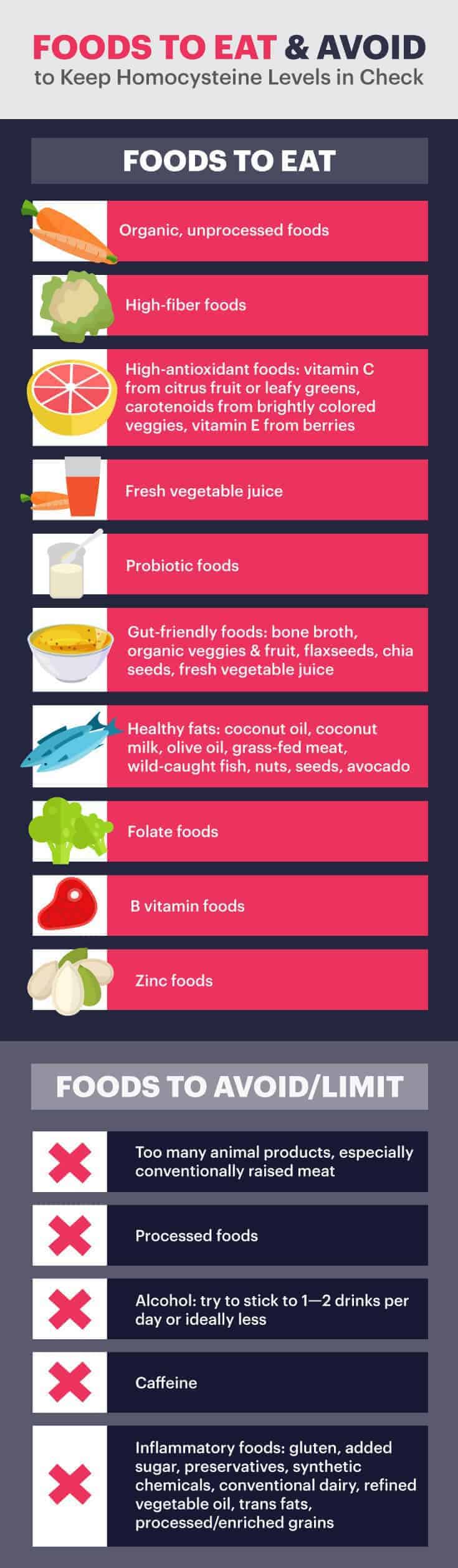
Many people don't get enough natural folate in their diets, which can contribute to not only high homocysteine, but also problems like digestive complaints, neurological decline, anemia, fatigue, skin sores and even birth defects if pregnant women have low levels. Research has shown that by increasing your intake of natural or activated folate (not the same as folic acid), you can reduce your risk for problems related to high inflammation levels.
Foods that are high in folate include beans, legumes, broccoli, spinach and leafy greens, organ meats like liver, ancient grains, poultry, and avocado.
Why is it best to avoid folic acid and get your folate the natural way instead? Folic acid is a synthetic B vitamin found in supplements and fortified foods (like processed grains or orange juice). Real folate is directly metabolized by the small intestines, but synthetic folic acid requires the assistance of a specific enzyme called “dihydrofolate reductase,” which is usually only present in the body in small amounts.
Many patients with high homocysteine experience improvements in symptoms when they consume more B vitamins, especially vitamin B6 and B12. These help increase metabolic functions, including methylation (especially when taking methylated vitamins), and can lower symptoms, such as cognitive dysfunction and fatigue.
Vitamin B6 and vitamin B12 benefit the body in many ways, including helping with nutrient absorption, energy expenditure and brain function. Folate also helps vitamin B12 to be absorbed properly, so some experts recommend consuming these two nutrients together.
However, there is also concern that high folic acid intake from supplements might “mask” vitamin B12 deficiency symptoms and make neurological consequences even worse down the road. This is just another reason to avoid supplementing with large doses of synthetic vitamins and to get nutrients the natural way.
What foods help you consume more B vitamins? Focus on eating vitamin B foods (especially B6 foods and B12 foods), such as quality protein foods, pasture-raised poultry, organ meats, nuts, beans, nutritional yeast and raw/fermented dairy products.
These same sources also supply zinc and other amino acids, which further help with methylation.
People with metabolic disorders that affect homocysteine levels and contribute to inflammation plus plaque formation are at an increased risk for developing coronary heart disease and other disorders. Because of this, it's crucial to mitigate other risk factors for heart disease, including smoking, obesity, a sedentary lifestyle, diabetes and a poor diet that increases inflammation.
Focus on eating a healthy diet, especially one with plenty of high-fiber foods, getting regular exercise and keeping your weight in a healthy range.
If you have high homocysteine and an increased risk for heart problems, it's also beneficial to consume supplements that can help improve blood flow, cholesterol and blood pressure. These include magnesium, omega-3 fatty acids, coenzyme Q10, carotenoids and other antioxidants, selenium, and vitamins C, D and E.
Regularly exercising helps mitigate problems caused by high homocysteine by helping improve immune function, hormonal balance, stress levels, sleep quality, body weight control and inflammation. Find a form of exercise you enjoy and can stick with, whether it's lifting weights, dancing, yoga, running, cycling or swimming.
The same health conditions and lifestyle habits that raise homocysteine levels can also cause increased anxiety, insomnia, fatigue and depression. One of the reasons this is true is due to the effects that enzyme defects and nutrient deficiencies have on levels of neurotransmitters and hormones, like serotonin, testosterone and estrogen.
These hormones govern things like sleep, sex drive, motivation and energy levels. All of these problems are also made worse by high amounts of day-to-day stress.
Tips for dealing with these mood-related conditions include:
High homocysteine is not always easy to spot so keep up with doctor appointments, and ask for specific testing if you suspect a problem.
Wondering how high homocysteine is diagnosed?
In adults, homocysteine tests are usually performed through blood tests. Sometimes skin cell tests or enzyme and liver function tests are also performed to assess a patient's ability to metabolize homocysteine properly.
When MTHFR mutations are suspected, a doctor might also utilize a genetic test in addition to observing physical and mental symptoms.
Homocysteine is an amino acid produced in the body during protein metabolism. It plays a role in methylation and other metabolic processes, but high homocysteine levels can negatively affect blood vessels and overall health.
A homocysteine test measures the amount of this amino acid in the blood. It is used to assess cardiovascular risk, identify folate or vitamin B deficiencies, investigate unexplained blood clots, and evaluate metabolic or neurological health concerns.
High homocysteine levels may indicate poor methylation; vitamin B6, B12 or folate deficiency; kidney dysfunction; or increased cardiovascular risk. Elevated levels suggest the body is not efficiently breaking down homocysteine, which may contribute to vascular inflammation.
Common causes include deficiencies in folate, vitamin B6 or vitamin B12; genetic variations affecting methylation; kidney dysfunction; aging; smoking; excessive alcohol intake; and certain medications.
When homocysteine levels are high, they can damage blood vessel walls, increase oxidative stress and impair circulation. Over time, this may raise the risk of heart disease, stroke, cognitive decline and pregnancy complications.
High homocysteine levels are associated with cardiovascular disease, stroke, peripheral artery disease, cognitive decline, pregnancy complications, vitamin B deficiencies, chronic kidney disease and rare genetic disorders affecting methionine metabolism.
Most experts consider homocysteine levels below 15 µmol/L to be normal, with many integrative and preventive practitioners aiming for levels closer to 7 to 10 µmol/L for optimal cardiovascular health.
Yes. Homocysteine levels can often be reduced by improving intake of folate-rich foods, vitamin B6 and vitamin B12; supporting gut health; managing stress; and addressing lifestyle factors such as smoking or excessive alcohol use.
High homocysteine levels are typically corrected by addressing nutrient deficiencies, especially folate, vitamin B6 and vitamin B12, improving diet quality, reducing alcohol and smoking, and managing underlying medical conditions when present.
Elevated homocysteine levels have been associated with damage to blood vessel walls, impaired circulation and increased risk of cardiovascular events, making it an important marker of heart and vascular health.
High homocysteine levels have been linked to cognitive decline and neurological issues, possibly due to their effects on blood flow, inflammation and methylation processes in the brain.
Homocysteine testing is not always included in standard blood panels, but it may be valuable for individuals with cardiovascular risk factors, nutrient deficiencies, or unexplained health concerns.
Diets high in processed meats, refined carbohydrates and ultra-processed foods may contribute to higher levels, especially when intake of fruits, vegetables and B vitamin foods is low.
If homocysteine levels are high, it may help to limit processed meats, refined grains, sugary foods and excessive alcohol. Emphasizing whole foods, leafy greens, legumes and nutrient-dense options supports healthier homocysteine metabolism.
Supplementation with folate (or methylfolate), vitamin B6 and vitamin B12 is commonly used to support healthy homocysteine metabolism, especially when deficiencies are present.