This Dr. Axe content is medically reviewed or fact checked to ensure factually accurate information.
With strict editorial sourcing guidelines, we only link to academic research institutions, reputable media sites and, when research is available, medically peer-reviewed studies. Note that the numbers in parentheses (1, 2, etc.) are clickable links to these studies.
The information in our articles is NOT intended to replace a one-on-one relationship with a qualified health care professional and is not intended as medical advice.
This article is based on scientific evidence, written by experts and fact checked by our trained editorial staff. Note that the numbers in parentheses (1, 2, etc.) are clickable links to medically peer-reviewed studies.
Our team includes licensed nutritionists and dietitians, certified health education specialists, as well as certified strength and conditioning specialists, personal trainers and corrective exercise specialists. Our team aims to be not only thorough with its research, but also objective and unbiased.
The information in our articles is NOT intended to replace a one-on-one relationship with a qualified health care professional and is not intended as medical advice.
Testosterone for Women: Benefits, Low Levels and Ways to Support Healthy Testosterone
August 14, 2026

Testosterone is commonly thought of as a male hormone, but women produce testosterone, too. In women, this hormone plays an important role in overall health and is connected to factors such as hormone balance, mood, energy and sexual well-being.
Testosterone also interacts with other hormones, including estrogen and progesterone, making healthy testosterone levels one part of overall female hormone balance.
As women enter perimenopause — which typically begins sometime after age 40 — and eventually menopause, testosterone levels naturally begin to decline. Lower testosterone levels may be associated with concerns such as fatigue, reduced energy and motivation, occasional irritability, food cravings, higher stress levels, and changes related to sexual health.
For women moving through premenopause, perimenopause, menopause or postmenopause, supporting healthy testosterone levels may help with mood, energy, sexual health and overall quality of life.
Here’s what to know about testosterone for women, including signs that levels may be low, the potential benefits of testosterone support for women, and ways to support healthy hormone levels through foods and supplements.
Can women have testosterone levels that are too low?
Yes. Although declining testosterone is a normal part of aging for women, particularly during perimenopause and menopause, lower levels can show up in a variety of ways.
Some women with lower testosterone levels may experience occasional tiredness or fatigue, weight management issues, or a general decline in energy or motivation. Changes in outlook may occur as well, including occasional irritability or feeling less positive.
Because these experiences can have many possible causes, symptoms alone cannot tell you whether your testosterone levels are low.
If you’re experiencing these changes, talk with your healthcare provider. A healthcare professional can assess your hormone levels and help determine whether testosterone or other hormonal changes could be contributing factors.
For some women, supporting healthy testosterone levels can be part of an overall approach to feeling more balanced and energized.
Benefits of testosterone for women
What does testosterone do for women? The potential benefits of supporting healthy testosterone levels extend beyond sexual health.
Testosterone is connected with female hormone balance as well as energy, mood, physical fitness and other aspects of well-being.
Here are seven potential benefits of testosterone for women and female-focused testosterone support.
1. Promotes sexual health
Testosterone plays an important role in female sexual health, including libido. Testosterone support may help boost sexual health and performance in women, including women dealing with lower testosterone levels.
Female-focused hormone support can also help improve normal vaginal dryness while supporting overall female hormone balance.
2. Supports mood and a positive outlook
Lower testosterone levels may be associated with feeling more tired, irritable or negative.
Support for healthy testosterone and hormone balance can help promote a balanced mood and positive outlook while helping alleviate stress and tension, supporting healthy cortisol levels and promoting mental alertness.
Ashwagandha, for example, is an adaptogen that helps the body manage stress and restore balance following a stressful situation, and some testosterone supplements include this adaptogen in their formulas.
3. Supports energy and stamina
Energy and stamina are two additional reasons testosterone for women matters.
Lower testosterone levels can coincide with low energy and reduced stamina, potentially affecting productivity and other parts of everyday life. Supporting healthy testosterone and overall female hormone balance may help improve energy and stamina while reducing fatigue.
4. Supports hormone balance
Testosterone does not function in isolation. Female hormones are interconnected, and testosterone has an important relationship with hormones such as estrogen and progesterone.
Female-focused hormone support can help maintain healthy testosterone levels and overall female hormone balance. It may also help modulate estrogen levels during perimenopause.
5. Supports aerobic endurance, stamina and physical fitness
Among the benefits associated with female-focused testosterone support are improvements in endurance, athletic performance, stamina and overall physical fitness.
Lifestyle remains important, however. A healthy diet, regular strength training and an overall balanced lifestyle should accompany any supplement routine intended to support physical fitness and healthy hormone levels.
6. Supports healthy weight management during stress
Stress can affect both appetite and eating habits. Female-focused testosterone and hormone support may help support healthy weight management during times of stress while also helping reduce stress-induced food cravings.
7. Supports women during normal postmenopause
Postmenopause refers to the stage beginning 12 months after a woman’s final menstrual period.
For postmenopausal women, female-focused hormone support can help modulate levels of estrogen, progesterone, and free and total testosterone. It can also help reduce physical discomforts experienced due to normal postmenopause, and can positively impact vasomotor symptoms associated with menopause, such as hot flashes, night sweats and sweating.
Other areas of support associated with this type of approach include general well-being, a positive outlook, occasional anxiousness and irritability, physical and mental exhaustion, healthy cortisol levels, and mental alertness.
How women can obtain more testosterone
Women interested in supporting healthy testosterone levels should begin with the fundamentals of a healthy lifestyle and discuss significant hormonal concerns with a healthcare provider.
Food and supplements can also be part of an overall wellness routine.
Foods and a balanced diet
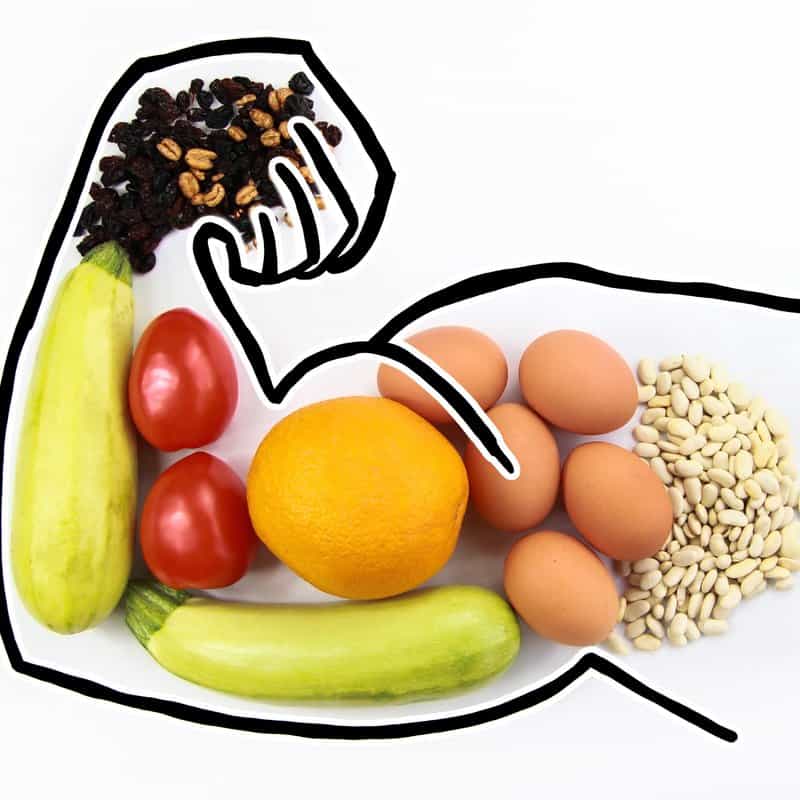
A healthy, nutrient-dense diet provides the nutritional foundation the body needs for overall well-being. Rather than relying on a single food to address testosterone levels, focus on maintaining a balanced diet as part of a broader healthy lifestyle.
Protein- and collagen-containing foods can also supply amino acids and other nutrients. Collagen is a foundational protein the body needs, although normal collagen production decreases with age.
Supplements and botanicals
Women who want additional nutritional support may also consider supplements formulated specifically with women’s needs in mind rather than products primarily designed for men.
Ingredients used in female-focused hormone-support formulations can include:
- Fenugreek seed extract: Fenugreek has been used traditionally for centuries in connection with menopausal concerns, such as hot flashes, night sweats, normal vaginal dryness and sleeplessness.
- Ashwagandha root extract: Ashwagandha is an adaptogen that helps the body manage stress and restore balance after a stressful situation.
- Chaste tree berry extract: This botanical has traditionally been used to support overall female health.
- Collagen: Some female-focused nutritional formulas also include collagen. Collagen can help promote comfortable joints as well as healthy hair, skin and nails. Certain fermented eggshell membrane collagen ingredients have also been shown in clinical research to improve post-exercise recovery and promote healthy, comfortable joints.
When considering testosterone support for women, look for options designed around women’s specific nutritional and hormonal needs. Supplements should complement — rather than replace — a healthy diet, regular exercise and a balanced lifestyle.
(An excellent choice that includes these ingredients is Ancient Nutrition’s Testosterone Support for Women + Collagen.)
Women who believe they have low testosterone or another hormonal concern should also speak with their healthcare providers, who can assess hormone levels and determine whether testosterone may be a contributing factor.
Frequently asked questions
What does testosterone do for women?
Testosterone is a hormone that is involved in overall hormone balance for women. Testosterone levels are also connected with mood, energy, sexual wellness and other aspects of female well-being. Although testosterone is frequently associated with men, women produce it as well.
Do women produce testosterone?
Yes. Women produce testosterone. In fact, women normally produce more testosterone than estrogen before menopause. Testosterone production slows with age, particularly as women move through perimenopause and menopause.
What happens when a woman’s testosterone is low?
Lower testosterone levels can appear differently from one woman to another. Common signs may include occasional fatigue, low energy or motivation, weight management issues, and changes in outlook, such as occasional irritability or feeling less positive. These experiences can have other causes, so consult your healthcare provider rather than assuming low testosterone is responsible.
How can a woman know if her testosterone is too low?
Symptoms alone are not enough to determine whether testosterone is low. A healthcare provider can evaluate your symptoms, assess hormone levels and help determine whether testosterone could be contributing to the changes you’re experiencing.
Will testosterone support make a woman feel “masculine”?
Female-focused testosterone support is intended to support healthy, balanced hormone levels rather than make women feel “masculine.”
Women produce testosterone, and hormones are interconnected. Maintaining a healthy balance among testosterone, estrogen, progesterone and other hormones is an important part of overall hormonal health.
Female-focused hormone support may also support normal levels of estradiol, progesterone, free and total testosterone, follicle-stimulating hormone (FSH), and sex hormone-binding globulin (SHBG) in postmenopausal women.
What ingredients are commonly used for female hormone and testosterone support?
Female-focused nutritional formulations may contain ingredients such as fenugreek seed extract, ashwagandha root extract and chaste tree berry extract.
Fenugreek has a long history of traditional use related to menopausal concerns. Ashwagandha is an adaptogen that helps the body manage stress and restore balance following stressful situations, while chaste tree berry has traditionally been used to support overall female health.
Some formulations may also contain collagen to provide additional support for areas such as comfortable joints and healthy hair, skin and nails.
Why might collagen be included in a women’s hormone-support supplement?
Collagen is a foundational protein needed by the body. Natural collagen production declines with age, which can contribute to joint discomfort, reduced skin elasticity, and brittle hair and nails. Including collagen in a broader women’s wellness formula can therefore provide nutritional support beyond hormone balance.
When should women take testosterone-support supplements?
The appropriate timing depends on the specific supplement. In general, a daily supplement can be taken at a time that works well with your routine, and many women find it convenient to take supplements in the morning with breakfast or alongside their regular vitamins.
Consistency is important when using nutritional supplements as part of a routine intended to support healthy hormones over time. Always follow the directions for the specific supplement you use.
How long does it take to notice results from testosterone support?
Everyone is different. Some women may begin noticing beneficial effects after several days or weeks, while others may experience more gradual changes over time. Individual results can vary, and consistency should be paired with a balanced lifestyle.
What should women look for in testosterone support?
Many testosterone-support products are developed primarily for men, so women should look for nutritional support specifically designed around female hormone balance. A comprehensive female-focused approach may incorporate botanicals traditionally used for women’s health alongside ingredients intended to support healthy testosterone levels and overall hormonal balance.
Conclusion
- Testosterone for women is an important but often overlooked part of female hormone balance. Although testosterone is commonly associated with men, women produce it, and levels can influence areas such as energy, mood, sexual wellness and overall well-being.
- Testosterone levels naturally decline as women age, particularly during perimenopause and menopause. For some women, lower levels may coincide with occasional fatigue, reduced motivation, irritability, weight management issues or changes in sexual health.
- The potential benefits of testosterone for women therefore extend across several areas of wellness. Supporting healthy testosterone and overall hormone balance may help promote sexual health, energy and endurance, a positive mood, physical fitness, and healthy weight management during stress, while also providing support through normal hormonal transitions such as perimenopause and postmenopause.
- A healthy diet, regular strength training, a balanced lifestyle and appropriately selected nutritional supplements can all be considered as part of an overall wellness routine.
- Female-focused formulas may incorporate ingredients such as fenugreek, ashwagandha and chaste tree berry, along with collagen for additional nutritional support.
- Most importantly, women experiencing possible signs of low testosterone should consult their healthcare providers. A healthcare professional can assess hormone levels and help determine whether testosterone or another factor may be contributing to the changes they’re experiencing.
Popular Nutrition Posts