This Dr. Axe content is medically reviewed or fact checked to ensure factually accurate information.
With strict editorial sourcing guidelines, we only link to academic research institutions, reputable media sites and, when research is available, medically peer-reviewed studies. Note that the numbers in parentheses (1, 2, etc.) are clickable links to these studies.
The information in our articles is NOT intended to replace a one-on-one relationship with a qualified health care professional and is not intended as medical advice.
This article is based on scientific evidence, written by experts and fact checked by our trained editorial staff. Note that the numbers in parentheses (1, 2, etc.) are clickable links to medically peer-reviewed studies.
Our team includes licensed nutritionists and dietitians, certified health education specialists, as well as certified strength and conditioning specialists, personal trainers and corrective exercise specialists. Our team aims to be not only thorough with its research, but also objective and unbiased.
The information in our articles is NOT intended to replace a one-on-one relationship with a qualified health care professional and is not intended as medical advice.
Complete Protein: What It Is, Benefits & Best Sources (+ How to Add More to Your Diet)
April 15, 2026
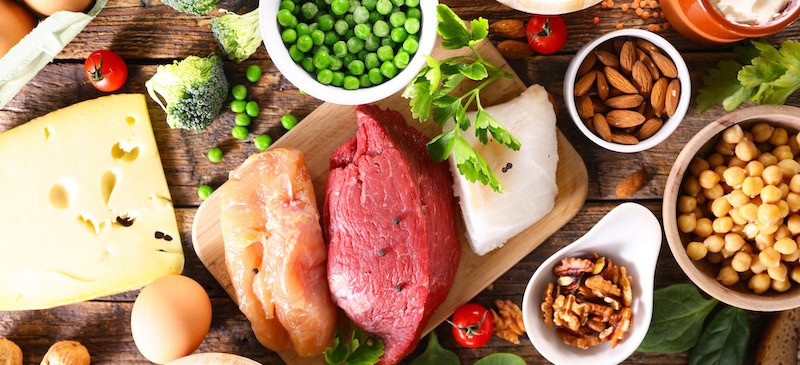
If you’ve ever wondered what is a complete protein and why it matters, you’re not alone.
Protein is one of the most important nutrients your body needs every single day. It helps build and maintain muscle, repair tissues, support healthy metabolism, produce enzymes and hormones, and contribute to healthy hair, skin and nails. But while plenty of foods contain protein, not all protein sources are nutritionally equal.
That is where the idea of a complete protein comes in.
Understanding complete proteins can help you make smarter dietary choices, whether you follow a plant-based diet, eat animal products or fall somewhere in between. In this guide, we’ll break down what complete proteins are, how they compare to incomplete proteins and how to get enough of them in your daily routine.
What is a complete protein? (Quick answer)
If you have ever asked, what is a complete protein, the short answer is this: A complete protein is a food that provides all nine essential amino acids your body needs but cannot make on its own. Those amino acids matter because they are the building blocks your body relies on for muscle protein synthesis, tissue repair, immune function, neurotransmitter production and more.
Understanding complete proteins can make it easier to choose foods that support strength, satiety, recovery and long-term wellness. It can also help clear up common confusion around plant proteins, protein combining and whether you need to eat only animal foods to get all essential amino acids.
What is a complete protein?
A complete protein is a protein source that contains all nine essential amino acids in amounts sufficient to support your body’s needs.
The nine essential amino acids are:
- Histidine
- Isoleucine
- Leucine
- Lysine
- Methionine
- Phenylalanine
- Threonine
- Tryptophan
- Valine
These amino acids are called “essential” because your body cannot synthesize them on its own, which means you must get them from food.
Overall, proteins are made from 20 amino acids. Of those, 11 are considered nonessential because your body can produce them under normal circumstances. The remaining nine must come from your diet.
When a food delivers all nine, it qualifies as a complete protein.
This matters because essential amino acids are involved in a wide range of functions. For example:
- Leucine plays a key role in signaling muscle protein synthesis.
- Valine supports muscle tissue and recovery.
- Tryptophan is used to make serotonin, which influences mood, appetite and sleep.
- Histidine helps support histamine production, which is involved in immune responses and digestion.
- Lysine is important for collagen formation, growth and tissue repair.
Put simply, complete proteins help your body access the full amino acid package it needs to perform critical daily tasks.
When a food provides all of these in sufficient quantities, it is considered a complete protein. This makes complete proteins especially valuable for supporting muscle growth, tissue repair, enzyme production and overall metabolic health.
Complete proteins vs. incomplete proteins
The main difference between complete proteins and incomplete proteins comes down to amino acid profile.
Complete proteins
Complete proteins contain all nine essential amino acids. They are generally considered higher-quality proteins because they can support the body’s amino acid needs on their own.
Complete proteins are also highly bioavailable and typically found in animal products (but also some plant foods).
Examples include:
- Eggs
- Fish
- Beef
- Poultry
- Dairy foods
- Soy foods, such as tofu and tempeh
- Quinoa
Incomplete proteins
Incomplete proteins are missing one or more essential amino acids, or they contain one or more in relatively low amounts. Plant-based foods like grains, legumes and nuts are some common incomplete proteins.
Examples include:
- Beans
- Lentils
- Rice
- Oats
- Nuts
- Seeds
- Many vegetables
That does not mean incomplete proteins are “bad” or low-value foods. In fact, many incomplete proteins are incredibly nutrient-dense and provide fiber, minerals, antioxidants and phytochemicals.
The real point is simply that they do not supply the full essential amino acid profile all by themselves.
Here is a helpful way to think about it: Complete proteins are all-in-one amino acid packages, while incomplete proteins can still be highly nutritious contributors to your overall protein intake.
Another important distinction: You do not need to combine incomplete proteins in the exact same meal to benefit. Eating a variety of protein-containing foods over the course of the day is generally enough for the body to assemble the amino acids it needs.
Examples of complete proteins
There are many foods that qualify as complete proteins, including both animal-based and plant-based options.
Animal-based complete proteins
Most animal foods naturally provide all nine essential amino acids. Examples include:
- Eggs
- Chicken
- Turkey
- Beef
- Lamb
- Pork
- Fish, including salmon, tuna and sardines
- Dairy products, including milk, yogurt, cottage cheese and cheese
- Greek yogurt
Eggs are often considered one of the gold standards of protein quality because they are highly digestible and provide a well-balanced amino acid profile.
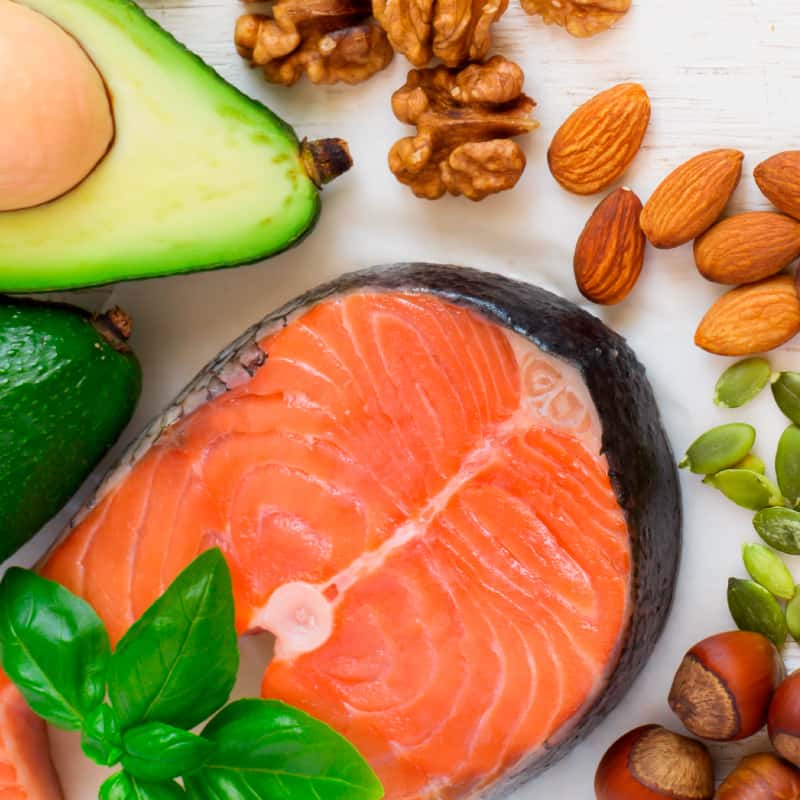
Fish stands out for another reason: It offers complete protein along with beneficial fats, especially omega-3s in varieties such as salmon and sardines.
Greek yogurt is also notable because it combines complete protein with probiotics, calcium and other nutrients.
Plant-based complete proteins
Historically, many people assumed plant proteins were always incomplete. That is not true. Several plant foods naturally provide all nine essential amino acids.
Examples include:
- Quinoa
- Soybeans
- Tofu
- Tempeh
- Edamame
- Miso
- Buckwheat
- Chia seeds
- Hemp seeds
- Amaranth
- Nutritional yeast
- Spirulina
Soy foods are among the best-known plant-based complete proteins. Tofu and tempeh, for example, are versatile, protein-rich, and especially useful for vegetarians and vegans.
Quinoa is another standout because it is a gluten-free pseudo-grain that provides complete protein in addition to fiber, magnesium and other nutrients.
Buckwheat is technically a seed rather than a wheat grain and offers a nutrient-dense complete protein option as well.
These foods provide all essential amino acids and can serve as foundational protein sources in your diet.
Examples of incomplete proteins
Many popular foods contain protein without being complete proteins on their own.
Examples of incomplete proteins include:
- Black beans
- Chickpeas
- Lentils
- Kidney beans
- Rice
- Oats
- Corn
- Almonds
- Walnuts
- Pumpkin seeds
- Sunflower seeds
- Peanut butter
- Most vegetables
Again, these foods can still play an important role in a healthy diet. They often bring benefits that many animal proteins do not, such as fiber and phytonutrients.
Common limiting amino acids in plant foods vary. Legumes are often lower in methionine, while grains can be lower in lysine. That is one reason certain pairings work so well nutritionally.
Examples of complementary protein combinations include:
- Rice and beans
- Lentils and whole grains
- Hummus and pita
- Peanut butter on whole-grain bread
- Black beans and corn tortillas
Even though these combinations are useful to understand, the bigger takeaway is that overall variety across the day matters more than obsessing over exact pairings at every meal.
Animal-based vs. plant-based complete proteins
Both animal-based and plant-based complete proteins can support health, but they each bring different strengths.
Animal-based complete proteins
Animal proteins tend to be:
- More concentrated sources of protein per serving
- Highly digestible and bioavailable
- Naturally rich in amino acids that support muscle protein synthesis
- Good sources of nutrients such as vitamin B12, heme iron and zinc
This can make them appealing for athletes, older adults, highly active individuals, and anyone trying to preserve or build lean mass.
Plant-based complete proteins
Plant-based complete proteins tend to be:
- Richer in fiber, antioxidants and phytonutrients
- Lower in saturated fat, depending on the food
- Helpful for diversifying protein sources
- Compatible with vegetarian, vegan and flexitarian eating patterns
- More sustainable for long-term health and the environment
Foods such as tofu, tempeh, quinoa, hemp seeds and buckwheat can help plant-forward eaters meet amino acid needs while also adding variety and whole-food nutrition to meals.
Which is better?
There is no universal winner. The best choice depends on your dietary pattern, goals, digestion, preferences and what else is in your overall diet.
For many people, a mixed approach works well: regularly including high-quality proteins from both animal and plant sources.
Benefits of complete protein
Complete proteins do more than help you hit a daily protein number. Because they supply all essential amino acids, they support a wide range of processes tied to physical performance, metabolism and everyday wellness.
Consuming adequate complete protein offers several key benefits:
1. Supports muscle growth and repair
Essential amino acids, especially leucine, play a major role in muscle protein synthesis.
Complete proteins provide the amino acids your body uses to build, maintain and repair muscle tissue. This is especially important after exercise, during periods of recovery and as you age.
Leucine deserves special attention here because it acts as a key trigger for muscle protein synthesis. When a protein source provides a robust essential amino acid profile, including leucine, it is generally better positioned to support recovery and lean muscle maintenance.
A study published in 2023 demonstrated that ingesting dietary protein (providing all essential amino acids, as found in complete proteins) produces a dose-dependent increase in plasma amino acid availability and significantly elevates muscle protein synthesis rates, leading to a more positive whole-body protein balance during recovery from exercise. This anabolic response reflects the body’s use of the full complement of essential amino acids to build new muscle proteins, directly supporting muscle growth and repair following training.
That is one reason complete proteins are often emphasized in sports nutrition and healthy aging discussions.
2. May help improve satiety
Protein increases satiety, helping reduce cravings and overeating.
Protein is well known for helping you feel fuller than refined carbohydrates alone. Complete proteins may be especially useful because amino acids influence satiety-related pathways and hormones involved in appetite regulation.
A randomized, controlled study published in Nutrition Journal found that consuming protein preloads containing complete protein sources (e.g., casein, whey and egg protein, which provide all essential amino acids) significantly increased subjective feelings of satiety and, in some cases, reduced subsequent food intake compared to a carbohydrate control. Participants who consumed these proteins reported greater fullness and showed higher caloric compensation, indicating that complete proteins can help regulate appetite and promote satiety, likely through enhanced amino acid signaling and hormonal responses that reduce hunger.
Adding protein to meals and snacks can help support fullness, reduce the urge to keep grazing and make meals feel more satisfying.
3. Promotes healthy metabolic function
Protein has a higher thermic effect compared to fats and carbohydrates.
Amino acids are needed for enzymes, hormones and countless metabolic reactions. They also help maintain lean body mass, and muscle tissue plays a major role in healthy glucose handling and energy metabolism.
For that reason, adequate protein intake can support body composition goals and normal metabolic function, especially when paired with regular movement and strength training.
A study published in the American Journal of Clinical Nutrition explained that dietary protein providing all essential amino acids as found in complete proteins supports healthy metabolic function by acting as both a substrate and a signaling regulator for key metabolic pathways. Specifically, the study noted that post-meal increases in essential amino acids influence processes such as protein synthesis, insulin activity, mitochondrial function and energy regulation through pathways like mTORC1 and hormonal signals (e.g., GLP-1 and PYY), demonstrating how complete protein intake helps coordinate whole-body metabolic responses and maintain metabolic health.
4. Helps boost immune function
Protein and amino acids are required to make antibodies, signaling molecules and many of the cells involved in immune defense. Certain amino acids also help regulate immune cell activity and tissue repair.
If protein intake is consistently too low, immune resilience can suffer.
Amino acids derived from dietary protein are required for the activation and growth of lymphocytes, as well as the synthesis of key immune molecules (e.g., cytokines and immunoglobulins), demonstrating that sufficient complete protein intake helps maintain effective innate and adaptive immune responses.
5. Supports healthy hair, skin and nails
Protein supplies the raw materials your body uses to make structural proteins, such as keratin and collagen. Those structures are central to strong hair, resilient skin and healthy nails.
A clinical study published in the Journal of Cosmetic Dermatology demonstrated that supplementation with amino acids, the building blocks of complete proteins, significantly improved markers of skin and hair health, including increased hair growth rate and improvements in skin quality after 60 days in adult participants. These findings reflect the biological role of complete proteins in providing essential amino acids required to synthesize structural proteins like keratin and collagen, which form the foundation of hair, skin and nails and support their growth, strength and repair.
This does not mean every protein source affects beauty-related outcomes the same way, but adequate overall protein intake is foundational for maintaining these tissues.
6. Aids recovery and performance
Whether you are strength training, running, playing sports, or just trying to feel strong and energized through the day, complete proteins can support recovery because they provide the amino acids needed after physical stress.
One study found that ingestion of dietary protein providing all essential amino acids as found in complete proteins significantly enhanced post-exercise recovery and subsequent performance by increasing muscle protein synthesis and improving whole-body net protein balance in a dose-dependent manner. The study showed that higher protein intake after exercise prolonged the anabolic response for over 12 hours and increased incorporation of amino acids into muscle tissue, supporting faster repair and adaptation that can translate into improved performance capacity in subsequent training sessions.
7. Makes it easier to meet amino acid needs efficiently
One practical advantage of complete proteins is convenience. You do not have to guess whether a particular food supplies a missing essential amino acid, because the food already covers the full spectrum.
8. Aids in hormone and enzyme production
Proteins are the building blocks of many critical biological processes.
For example, research published in the American Journal of Clinical Nutrition explained that dietary protein, particularly sources providing all essential amino acids as found in complete proteins, supplies the necessary substrates for a wide range of metabolic functions, including the synthesis of new proteins and regulation of key biological processes.
The study highlighted that postprandial increases in circulating amino acids directly support the body’s ability to produce functional proteins, including enzymes and peptide hormones, which depend on amino acids as precursors and are essential for metabolic signaling and physiological regulation.
Best complete protein sources
If your goal is to eat more high-quality protein, these are some of the best complete protein foods to prioritize.
Best animal-based complete protein sources
- Eggs
- Wild-caught salmon
- Sardines
- Tuna
- Chicken breast
- Turkey
- Grass-fed beef
- Lamb
- Greek yogurt
- Cottage cheese
- Milk
- Kefir
- Pork
Best plant-based complete protein sources
- Tofu
- Tempeh
- Edamame
- Miso
- Quinoa
- Buckwheat
- Hemp seeds
- Chia seeds
- Amaranth
- Nutritional yeast
- Spirulina
- Pea protein
What about protein powders?
Protein powders can be useful when whole-food intake is not enough or when convenience matters.
Common examples include:
- Whey protein
- Casein protein
- Egg white protein
- Soy protein
- Blended plant proteins
- Pea protein blends
- Bone broth protein
- Collagen protein
However, this is where labels matter.
- Whey, casein, egg and soy proteins are typically complete proteins.
- Blended plant proteins can also be complete if they are formulated to supply all essential amino acids.
- Pea protein contains most essential amino acids but is commonly paired with another plant protein in supplements to create a more balanced complete amino acid profile.
- Collagen protein is not generally considered a complete protein because it lacks enough tryptophan.
That distinction is important: A product may contain protein without qualifying as a complete protein.
How to get complete proteins into your diet
Getting more complete protein does not have to be complicated. A little planning goes a long way.
Here are some strategies to meet your needs:
1. Build meals around a primary protein source
An easy strategy is to choose a complete protein first, then build the rest of the meal around it.
Examples:
- Eggs with sautéed vegetables and fruit
- Greek yogurt with berries, nuts and seeds
- Salmon with roasted vegetables and quinoa
- Chicken with beans and brown rice
- Tofu stir-fry with vegetables and buckwheat noodles
- Tempeh bowl with greens, avocado and quinoa
2. Use complete proteins at breakfast
Breakfast is one of the most common meals where people under-eat protein.
Good options include:
- Eggs or egg muffins
- Greek yogurt bowls
- Cottage cheese with fruit
- High-protein smoothies made with whey or a balanced plant protein blend
- Tofu scramble
3. Add complete proteins to snacks
Snacks can help you spread protein intake more evenly through the day.
High-protein snack ideas include:
- Hard-boiled eggs
- Greek yogurt
- Cottage cheese
- Edamame
- Jerky with simple ingredients
- Protein smoothies
- A shake made with whey or a balanced plant blend
4. Pair complete proteins with incomplete proteins
This is one of the easiest ways to create nutrient-dense meals.
Examples:
- Greek yogurt parfait with granola and berries
- Smoothie with protein powder and almond butter
- Chicken with lentils and vegetables
- Salmon salad topped with nuts and seeds
- Steak with beans and roasted vegetables
5. Use complementary plant proteins when needed
Vegetarians and vegans can absolutely meet their amino acid needs by eating a variety of plant foods.
Helpful combinations include:
- Rice and beans
- Lentils with whole grains
- Hummus and pita
- Peanut butter on whole-grain toast
- Bean chili with corn
The key point is not perfection at every single meal. Variety across the day is usually sufficient.
6. Know your general protein target
It’s important to know how many grams of protein per day you should consume.
The newest Dietary Guidelines for Americans (2025-2030) upped the recommended amount of protein per day for healthy adults to 1.2 to 1.6 grams of protein per kilogram of body weight, which is about 0.54 to 0.72 grams per pound of body weight. (The previous recommendation was 0.8 to 1.2 grams of protein per kilogram of body weight.) That is considered the basic amount needed to prevent deficiency.
Some people may benefit from more, especially:
- Athletes
- Highly active adults
- Older adults
- People trying to build muscle
- People dieting and trying to preserve lean mass
A practical higher-intake range often used for muscle-focused goals is roughly 0.7 to 1 gram of protein per pound of body weight per day.
For example:
- A 150-pound person may aim for about 105 to 150 grams daily.
- A 200-pound person may aim for about 140 to 200 grams daily.
Not everyone needs that much, but it gives context for more active people.
Incorporating complete proteins doesn’t have to be complicated.
Simple strategies include:
- Add eggs or yogurt to breakfast.
- Include a protein source with every meal.
- Use quinoa instead of rice.
- Add hemp seeds to smoothies or salads.
- Combine plant proteins, such as beans and grains.
- Use high-quality protein powders when needed.
For plant-based eaters, focus on variety throughout the day rather than perfection at every meal.
Precautions
Protein is essential, but there are still a few things to keep in mind.
- More is not always better. Eating extremely high amounts of protein does not automatically mean better health or faster muscle gain. Quality, balance and total diet pattern still matter.
- Watch ultra-processed protein products. Some bars, shakes and powders contain a long list of gums, fillers, artificial flavors, sweeteners or unnecessary additives. Read labels carefully.
- Not every protein powder is a complete protein. As noted above, collagen and some single-source plant proteins may not provide the full essential amino acid profile. If your goal is specifically a complete protein, check the amino acid profile, or choose a complete-protein formula.
- Individual needs vary. People with kidney disease or certain medical conditions may need individualized guidance about protein intake. Pregnant women, older adults and athletes may also have different needs.
- Whole foods should still be the foundation. Protein powders can be helpful, but most of your intake should ideally come from nutrient-dense foods that provide vitamins, minerals, healthy fats and fiber.
Frequently asked questions
What is a complete protein?
A complete protein is a food that provides all nine essential amino acids your body cannot make on its own.
What is a complete protein in simple terms?
It is a protein source that gives your body the full set of essential amino acid building blocks it needs for muscle repair, metabolism and other important functions.
Do you need complete protein at every meal?
No. As long as you consume a variety of protein sources throughout the day, your body can assemble the amino acids it needs.
Are plant proteins complete?
Some are (like quinoa and soy), but many are incomplete and should be combined with other foods.
Is animal protein better than plant protein?
Not necessarily. Both can be part of a healthy diet, and the best choice depends on your goals and preferences.
Are eggs a complete protein?
Yes. Eggs are considered one of the best examples of a complete protein.
Is tofu a complete protein?
Yes. Tofu is made from soybeans, and soy is a complete plant protein.
Is quinoa a complete protein?
Yes. Quinoa contains all nine essential amino acids.
Is pea protein a complete protein?
Pea protein contains many essential amino acids, but it is often blended with other plant proteins in supplements to create a more balanced complete amino acid profile.
Is collagen a complete protein?
No. Collagen is not generally considered a complete protein because it does not provide enough of all essential amino acids, especially tryptophan.
Do you need to eat complementary proteins in the same meal?
No. Current nutrition guidance generally holds that you do not need to combine complementary proteins in the exact same meal as long as you eat a variety of protein-containing foods over the course of the day.
Are plant proteins inferior to animal proteins?
Not necessarily. Many plant proteins are highly nutritious, and some are complete proteins on their own. Others can work well as part of a varied plant-forward diet.
Can vegetarians and vegans get enough complete protein?
Yes. With adequate calorie intake and a variety of foods, vegetarians and vegans can meet protein and essential amino acid needs.
Conclusion
- Complete proteins provide all nine essential amino acids your body cannot produce on its own, making them highly efficient for supporting muscle growth, recovery, metabolism and overall health.
- While many animal foods naturally qualify as complete proteins, several plant-based options (like soy, quinoa and hemp seeds) also deliver a full amino acid profile.
- Importantly, you do not need to consume only complete proteins or combine foods perfectly at every meal. A varied diet that includes both complete and incomplete protein sources throughout the day is generally enough to meet your amino acid needs.
- Prioritizing high-quality protein, whether from animal or plant sources, can help support strength, satiety and long-term wellness.
Popular Nutrition Posts