



Advertisement
health

Stress, poor sleep and an overworked nervous system are more common than ever, which is why simple breathing exercises have become powerful tools for calming the mind and body. One of the most popular techniques is the 4-7-8 breathing method, a controlled-breathing approach designed to help activate your parasympathetic nervous system and steady your heart rate.
This technique is easy to learn, requires no equipment and can be practiced anywhere, making it an ideal daily tool for promoting relaxation, reducing stress and supporting better sleep.
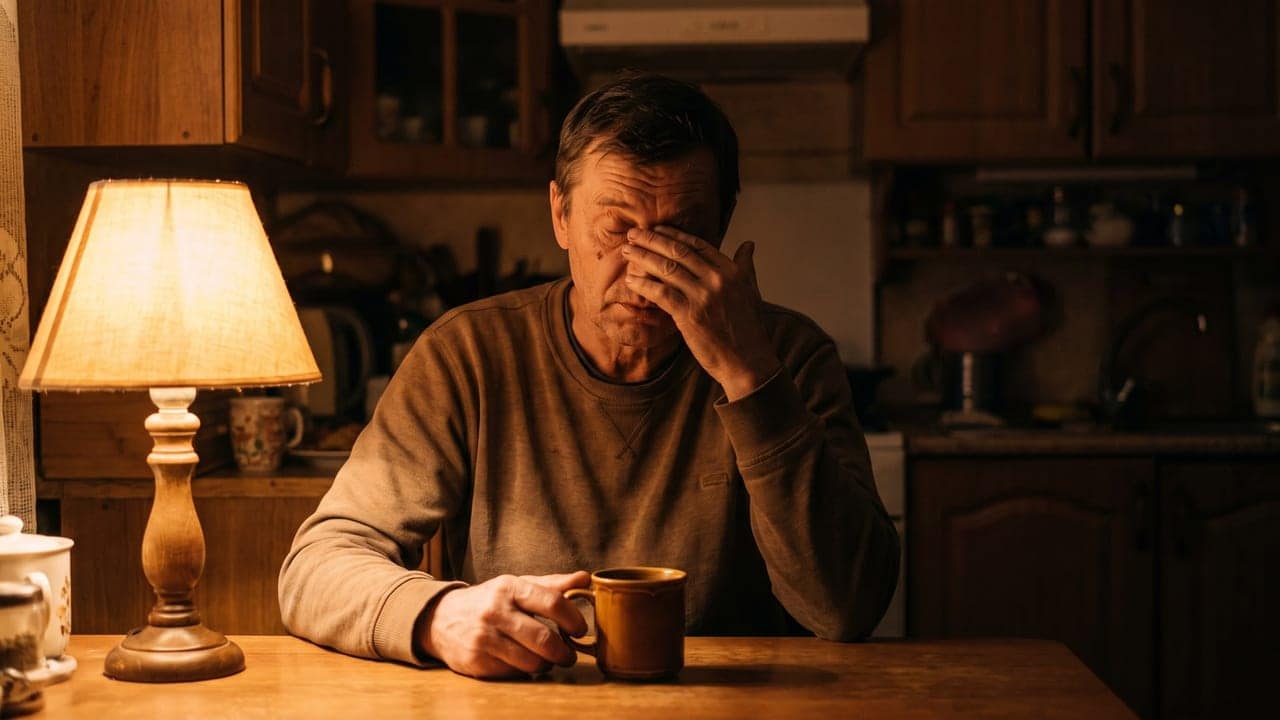
The 4-7-8 breathing technique is a rhythmic breathing pattern that involves inhaling for four seconds, holding your breath for seven seconds and exhaling through your mouth for eight seconds. Sometimes called “relaxing breath,” it’s widely used to quiet the mind and help bring the body back to a state of balance.
The slow, controlled pattern helps:
Some research shows that deep, slow breathing practices can influence heart rate variability (a key marker of resilience to stress) and may help improve emotional regulation.
30-day protocol
The complete root-cause framework for resetting your body clock, falling asleep faster and sleeping through the night — and ending the 3am wake-ups, groggy mornings and afternoon crashes most sleep aids never fix.
Free with your Dr. Axe account
View the protocol →Here’s a simple step-by-step guide on how to utilize the 4-7-8 breathing method:
Tip: This method may be most effective when used twice daily, especially before bed or anytime you feel overwhelmed.
Slowing the breath and lengthening the exhale increases vagus nerve activity, which helps quiet the fight-or-flight response. Deep breathing practices have been associated with improved markers of relaxation and mood regulation.
In a randomized, controlled trial of 90 bariatric surgery patients (30 per group) published in Obesity Surgery, researchers compared routine care, a deep-breathing program and the 4-7-8 breathing technique taught after surgery. The 4-7-8 group showed significantly lower state-anxiety scores on post-test measures compared with both the deep-breathing and control groups, indicating the technique reduced acute anxiety in a clinical recovery setting.
In another laboratory study of 43 healthy young adults (22 sleep-deprived, 21 not) published in Physiological Reports, participants performed three sets of the 4-7-8 breathing method (six cycles per set). Immediately after the exercise, heart rate and systolic blood pressure decreased and high-frequency heart rate variability (a marker of parasympathetic activity) increased, showing rapid autonomic calming effects from the technique.
Additionally, in a randomized, controlled trial of 50 young adults (25 intervention, 25 control), daily resonance/slow-paced breathing training (about 20 minutes per day for four weeks) significantly increased heart rate variability and reduced perceived stress versus control, supporting that regular slow-paced breathing strengthens parasympathetic tone and lowers stress over weeks.
Many people use 4-7-8 breathing as a natural sleep aid. The technique helps settle the nervous system, reduce tension and slow the heart rate, making it easier to fall asleep and stay asleep.
A study of 64 healthy adults published in the Journal of Clinical Medicine found that doing a 30-day evening slow-paced breathing intervention (about 15 minutes each night) significantly improved subjective sleep quality (as measured by the Pittsburgh Sleep Quality Index) and increased nighttime cardiac vagal activity (high-frequency heart-rate variability) compared with a control group using social media.
In a study of 14 people with self-reported insomnia and 14 good sleepers, researchers found that a single 20-minute session of slow, paced breathing before sleep reduced sleep-onset latency, decreased number of awakenings, shortened awake time during the night and increased sleep efficiency. These effects correlated with increased heart rate variability.
These studies suggest that slow, controlled breathing, like the 4-7-8 breathing method, before bed may shift the autonomic nervous system toward parasympathetic ("rest and digest”) dominance, calming the body and improving both how quickly people fall asleep and how well they sleep.
By slowing the breath during moments of stress or desire, the technique creates a pause that allows cravings to pass and urges to lessen.
Research published in the International Journal of Environmental Research and Public Health indicated that slow-paced breathing (SPB) can support better emotional regulation and help curb cravings. For example, in a pilot study of 61 participants, a five-minute SPB exercise increased cardiac vagal activity (a measure of parasympathetic activation), suggesting enhanced capacity for self-regulation at the physiological level.
Additionally, in a study of 65 female students exposed to images of their favorite foods, paced breathing (six breaths per minute) was associated with reductions in momentary food cravings, indicating that slow breathing may help blunt impulsive urges or cravings.
Longer exhales naturally stimulate a relaxation response. Many practitioners report feeling noticeably calmer within minutes.
A study of 43 healthy young adults (ages 19‑25) tested the immediate effects of 4‑7‑8 breathing (six cycles per set, three sets) on heart rate variability (HRV), heart rate and blood pressure. After the breathing intervention, participants showed a significant decrease in heart rate and systolic blood pressure, as well as increases in HRV, indicating the breathing method acutely shifted the autonomic nervous system toward relaxation.
Deep breathing increases oxygen flow to the brain, helping sharpen concentration and reduce mental fatigue.
For example, in a study of 78 healthy adults, participants did five minutes of slow‑paced breathing vs. a control condition (watching TV), then completed tests of executive function (inhibition, working memory, cognitive flexibility). After the slow-paced breathing, their scores were significantly better on working memory and inhibition tasks than after the control condition.
In another experiment, 10 minutes of slow‑paced breathing (vs. spontaneous breathing) improved working memory performance in healthy adults.
Further evidence supports the idea that slow, controlled breathing like 4‑7‑8 breathing (or comparable deep/slow-breathing practices) can help sharpen focus and cognitive clarity. For instance, a randomized trial of 100 healthy young adults found that just six weeks of daily controlled deep breathing led to faster and more accurate performance on tests of attention, arithmetic speed and psychomotor tasks.
Similarly, a 2023 study of older adults showed that 30 minutes of deep, slow breathing either before or after learning new cognitive tasks significantly improved performance on measures of attention, working memory, spatial perception and retention of new skills, both immediately and 24 hours later.
These findings suggest that by engaging the parasympathetic nervous system, modulating breathing rhythm and reducing “mental noise,” breathing practices like the 4-7-8 breathing method may help prime the brain for sharper attention, better memory encoding and improved mental clarity, especially in contexts requiring focus or learning.
Some slow-breathing exercises can help lower blood pressure in the moment by promoting relaxation and easing vascular tension.
A 2024 meta‑analysis of 15 clinical studies on slow‑breathing exercises (though not all strictly 4‑7‑8) published in the International Journal of Cardiology Cardiovascular Risk Prevention found a moderate but statistically significant reduction in resting blood pressure and a small but significant decrease in resting heart rate after breathing interventions.
If you’re exploring the 4-7-8 breathing method, you may also benefit from similar breathwork practices, such as:
Often used by athletes and military personnel, box breathing involves inhaling for four seconds, holding for four seconds, exhaling for four seconds and holding again for four seconds.
Sometimes called belly breathing, diaphragmatic breathing targets the diaphragm for deeper, more efficient breaths.
Alternate nostril breathing is a pranayama technique where you alternate inhaling and exhaling through each nostril.
This involves slow breathing at about five to six breaths per minute.
| Technique | How to Do It | Best For | How It Differs |
|---|---|---|---|
4-7-8 Breathing | Inhale 4 sec → Hold 7 sec → Exhale 8 sec | Relaxation, stress relief, sleep | Longer hold and exhale for deep calming; ideal for nervous system relaxation |
Box Breathing | Inhale 4 sec → Hold 4 sec → Exhale 4 sec → Hold 4 sec | Focus, grounding, stress reduction | Equal-length phases stabilize mind and body; better for alertness than sleep |
Diaphragmatic Breathing | Deep belly inhale and exhale without strict timing | Anxiety reduction, respiratory health, core activation | Focuses on depth and efficiency of breath rather than rhythm or timing |
Alternate Nostril Breathing | Inhale/exhale alternating nostrils in a controlled pattern | Mindfulness, energy balance, focus | Targets energetic balance and mindfulness rather than relaxation for sleep |
Resonant (Coherent) Breathing | Slow, steady breathing at 5-6 breaths/min | Mood regulation, heart-rate-variability, nervous system balance | Emphasizes physiological coherence with slow steady pace; less structured than 4-7-8 |
Tip: You can mix techniques depending on your goals. For example, use box breathing during the day for focus and 4-7-8 at night for sleep. Consistency is key for maximum benefits.
The 4-7-8 breathing method is generally safe for most people, but a few potential side effects include:
It also may not be ideal for individuals with certain respiratory issues or uncontrolled cardiovascular conditions. Consult your doctor if you're unsure.
Pregnant women should avoid holding their breath for extended periods as well.
However, most people adjust to the 4-7-8 breathing method quickly, and symptoms typically lessen with practice.
Twice a day is ideal, but you can use it anytime you feel stressed, overwhelmed or need help falling asleep.
Yes. Many people experience immediate relaxation, and slow-breathing techniques have been shown in clinical research to support stress reduction, lower heart rate and improve emotional well-being.
It may help reduce symptoms by encouraging slower breathing and activating the parasympathetic nervous system, though results vary from person to person.
Most people feel calmer after the first few rounds, while long-term benefits grow with consistent practice.
The 4-7-8 breathing method is typically better for calming and sleep, while box breathing is excellent for focus and performance. Many people use both depending on their needs.
Doing more than eight cycles at once isn’t necessary and may cause lightheadedness. Start with four cycles, and increase only as you feel comfortable.
The 4‑7‑8 breathing technique works by guiding your breath through a controlled rhythm: inhaling for four counts, holding for seven, then exhaling for eight. This helps activate the parasympathetic nervous system (the “rest and digest” response). This deep, slow pattern signals your body to shift out of stress mode, potentially lowering heart rate, calming the mind and helping you relax.
Navy SEALs often use a method known as box breathing (also called square breathing) to manage stress and maintain focus in high‑pressure situations. It involves inhaling, holding, exhaling and holding again, each for an equal count (typically four seconds), to calm the nervous system and improve concentration.
The 4‑7‑8 technique aims to help the body transition into a calmer, more relaxed state. When practiced regularly, it can support stress reduction, help quiet a racing mind and may aid in falling asleep. The extended exhale and breath hold enhance control over breath patterns, which can bring a sense of balance and ease during moments of stress or before rest.
For most people, 4‑7‑8 breathing is safe. Some individuals may feel lightheaded or mildly dizzy when first trying it, especially if they’re not used to deep breathing. This tends to pass as you become more accustomed to the technique.
If you have respiratory issues, cardiovascular conditions or are unsure about how breath‑holding might affect you, consult a healthcare provider before practicing.