This Dr. Axe content is medically reviewed or fact checked to ensure factually accurate information.
With strict editorial sourcing guidelines, we only link to academic research institutions, reputable media sites and, when research is available, medically peer-reviewed studies. Note that the numbers in parentheses (1, 2, etc.) are clickable links to these studies.
The information in our articles is NOT intended to replace a one-on-one relationship with a qualified health care professional and is not intended as medical advice.
This article is based on scientific evidence, written by experts and fact checked by our trained editorial staff. Note that the numbers in parentheses (1, 2, etc.) are clickable links to medically peer-reviewed studies.
Our team includes licensed nutritionists and dietitians, certified health education specialists, as well as certified strength and conditioning specialists, personal trainers and corrective exercise specialists. Our team aims to be not only thorough with its research, but also objective and unbiased.
The information in our articles is NOT intended to replace a one-on-one relationship with a qualified health care professional and is not intended as medical advice.
How to Improve Gut Health: 17 Science-Backed Ways to Support Your Microbiome
August 4, 2026
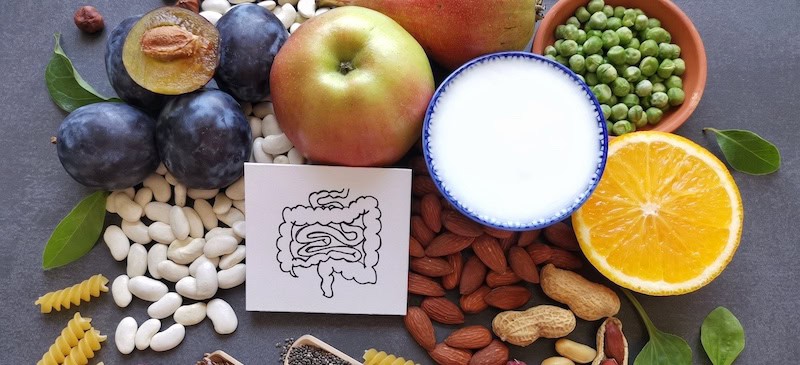
If you’ve been wondering how to improve gut health, you’re not alone. In recent years, research into the gut microbiome has dramatically expanded, revealing just how important gut health is to overall wellness.
Your gastrointestinal (GI) tract is home to trillions of microorganisms that influence digestion, nutrient absorption, immune system function, metabolism and communication with the brain.
One of the most remarkable facts about the gut is its connection to the immune system. In fact, roughly 70 percent to 80 percent of the cells that make up your immune system are located within the gut, highlighting why maintaining a balanced microbiome is so important.
In addition, the gut is often referred to as the body’s “second brain” because of its close relationship with the nervous system and its role in supporting mood, cognition, digestion and a healthy inflammatory response.
So what does a healthy gut actually look like? And what are some practical ways to boost gut health every day?
Below, you’ll learn what defines a healthy gut, common signs that your digestive system is functioning well, why gut health becomes increasingly important with age and 17 evidence-based habits that can help support a thriving microbiome.
What does a healthy gut mean?
A healthy gut refers to a digestive system and gastrointestinal tract that function efficiently while supporting the many processes that influence overall health. An optimally functioning gut is responsible for:
- Breaking down and absorbing nutrients from food
- Eliminating waste efficiently
- Supporting healthy immune system function
- Helping produce important neurotransmitters
- Maintaining normal energy levels and a positive outlook
A major factor that determines gut health is the balance of microorganisms living throughout the digestive tract. The gut microbiome consists of trillions of beneficial bacteria, along with yeasts, fungi and other microbes that naturally inhabit the GI tract. In fact, the human body contains more microbial cells than human cells.
Rather than simply having bacteria present, the goal is maintaining a diverse and balanced microbial community. When beneficial organisms outnumber non-beneficial ones, they help support healthy digestion, normal immune system function and a healthy inflammatory response.
Why gut health is vital for healthy aging
Supporting your gut health becomes increasingly important as you get older. Over time, the lining of the digestive tract may become more vulnerable, making nutrition and lifestyle habits especially important for maintaining gut health.
Getting adequate amounts of nutrients, such as a diverse whole foods-based diet, collagen, probiotics, vitamin C and vitamin D, through your diet may help support the health of the gut while also promoting normal digestive function.
Another reason gut health deserves attention with age is the close relationship between the digestive system and the nervous system. This communication network, often called the gut-brain connection, links the gastrointestinal tract and the central nervous system through the vagus nerve, which extends from the brainstem into the abdomen.
Researchers believe this two-way communication plays a role in numerous normal bodily processes, including:
- Digestion
- Metabolism
- Immune system function
- Stress response
- Mood regulation
- Cognitive function
In addition, scientists continue to study what’s known as the gut-skin axis, which describes the relationship between the health and function of the digestive system and the appearance and integrity of the skin.
Signs of a healthy gut
Although everyone’s digestive system is unique, several characteristics commonly indicate that your gut is functioning well, including:
- Efficient digestion. Foods are properly broken down so nutrients can be absorbed and utilized by the body.
- Regular bowel movements. Waste is eliminated consistently and comfortably, allowing the body to naturally remove waste products.
- A balanced gut microbiome. A diverse community of beneficial microorganisms helps maintain overall gut health while supporting a healthy inflammatory response.
- A strong intestinal barrier. A healthy intestinal lining helps block non-beneficial substances from passing into the bloodstream where they don’t belong.
- Healthy immune system function. Because much of the immune system resides within the digestive tract, maintaining gut health plays an important role in supporting normal immune function.
How to improve gut health
Before making significant changes to your diet, lifestyle or supplement routine, including beginning dietary supplementation, consult your healthcare professional.
1. Eat a wide variety of plant foods
If you’re looking for one of the simplest ways to improve gut health, increasing the variety of plant foods you eat is an excellent place to begin. Pairing a plant-rich eating pattern with adequate hydration helps create an environment that supports a healthy microbiome.
Compared to the typical Western diet, eating in a way that resembles the Mediterranean diet (rich in vegetables, fruits, herbs and other whole plant foods) provides a broader range of nutrients that benefit digestive health.
Aim to include many different plant foods throughout the week, such as:
- Leafy green vegetables
- Berries
- Citrus fruits
- Herbs and spices
- Mushrooms, including cordyceps
- Onions and garlic
- Sea vegetables
Using these foods and ingredients regularly in meals is an easy way to add more gut-supportive foods to your routine.
2. Include more prebiotic foods
Prebiotics are specialized, non-digestible fibers that nourish the beneficial bacteria already living in your digestive tract. They essentially provide fuel that allows probiotics to grow and flourish.
While prebiotics and probiotics are often mentioned together, they serve different purposes. Probiotics introduce beneficial organisms, while prebiotics help feed those organisms once they’re established. Including both in your diet may provide complementary support for your microbiome.
Some excellent food sources of prebiotic fiber include:
- Whole grains
- Garlic
- Onions
- Asparagus
- Artichokes
- Chicory root
- Underripe bananas
3. Eat fermented and probiotic-rich foods
When discussing how to boost gut health, fermented foods deserve special attention. These foods naturally contain live, active microorganisms that reside within the digestive tract and support healthy digestion, nutrient absorption and waste elimination.
Easy-to-enjoy probiotic foods include:
- Yogurt
- Kefir
- Sauerkraut
- Cultured vegetables
- Kimchi
Including fermented foods regularly is one practical way to diversify the beneficial organisms within your gut microbiome.
4. Prioritize high-fiber foods
Fiber supports gut health in several ways. Along with helping maintain regular bowel movements and supporting healthy elimination, fiber also creates an environment where beneficial bacteria can thrive.
Good sources of dietary fiber include:
- 100 percent whole grains
- Beans
- Legumes
- Nuts
- Seeds
- Vegetables
- Fruits
If you enjoy smoothies, combining several fiber-rich ingredients into one drink can be another convenient way to increase daily fiber intake.
5. Eat more polyphenol-rich foods
Polyphenols are plant compounds with antioxidant and healthy inflammatory response-supporting properties. Consuming foods rich in polyphenols may help support both a healthy gut lining and healthy immune system function.
Different classes of polyphenols include:
- Flavonoids, such as quercetin and catechins
- Stilbenes, such as resveratrol
- Phenolic acids, including ferulic acid and caffeic acid
Foods naturally rich in polyphenols include:
- Berries
- Grapes
- Apples
- Citrus fruits
- Artichokes
- Broccoli
- Spinach
- Tea
- Coffee
- Red wine
6. Cook with herbs and spices that support digestive wellness
The herbs and spices you use in everyday cooking can do more than add flavor; they may also help support normal digestive function and a healthy gut environment. Many have traditionally been used to promote digestive comfort and are now being studied for their effects on the gut microbiome.
Consider incorporating more of these into your meals:
- Turmeric: Provides curcumin, a compound that supports a healthy inflammatory response and may help promote normal gut motility.
- Ginger: Well known for helping soothe the gut and ease occasional digestive discomfort, including occasional nausea, bloating and constipation.
- Fennel: Traditionally used to help relieve occasional bloating, gas and indigestion.
- Peppermint: A cooling herb that can help calm the gut and support digestive comfort.
- Chamomile: Known for its relaxing properties, chamomile may also help promote a calm gut.
- Dandelion: May help encourage healthy digestion by supporting the growth of beneficial gut bacteria.
7. Cut back on ultra-processed foods
If you’re looking for practical ways to boost gut health, reducing ultra-processed foods is an excellent place to start. These foods often provide very little nutritional value, can be difficult to digest and may negatively affect the balance of microorganisms that make up the gut microbiome.
In addition, diets high in ultra-processed foods may contribute to occasional constipation, encourage the growth of non-beneficial bacteria and influence the body’s normal inflammatory response.
Foods to limit include:
- Fast food
- Packaged desserts
- Fried foods and dressings made with refined vegetable oils
- Processed meats, including hot dogs and deli meats
- Many packaged cheeses
- Potato chips and similar packaged snack foods
8. Reduce excess sugar and avoid artificial sweeteners
A diet high in sugar may negatively affect the digestive system by encouraging the growth of non-beneficial bacteria, disrupting the balance of the gut microbiome and affecting gut motility and the gut lining.
Rather than eliminating naturally occurring sugars, focus on moderation and choose nutrient-rich sources whenever possible, including fruit, vegetables and whole grains.
It’s also wise to limit foods and beverages that contain large amounts of added sugars while avoiding artificial sweeteners.
9. Get enough fiber every day
Fiber is one of the most important nutrients for gut health, yet most Americans still don’t consume enough of it.
A 2022 study found that adults in the United States average only about 17 grams of fiber per day, and just 5 percent of the population meets recommended intake levels. Current recommendations suggest:
- Women get 21to 25 grams daily
- Pregnant or lactating women get 28 grams daily
- Men get 30 to 38 grams daily
Insufficient fiber intake doesn’t just affect bowel regularity. It can also mean less support for healthy immune system function, nutrient absorption and feelings of fullness.
Whenever possible, meet your needs through whole foods. However, if your diet consistently falls short, a fiber supplement may help increase your daily intake. Look for products that provide soluble fiber and complement an overall healthy eating pattern.
(Ancient Nutrition’s Organic Fiber is a good option.)
10. Consider a daily probiotic
Probiotics are often described as the beneficial bacteria and yeasts that inhabit the digestive tract. Supporting a healthy balance of these microorganisms is one way to improve gut health over time.
Beneficial probiotic organisms can help:
- Support healthy immune system function
- Promote a healthy digestive tract and a healthy inflammatory response
- Encourage healthy digestion and regular bowel movements
- Support nutrient absorption
Many people choose to take a daily probiotic supplement as part of their wellness routines. Some also consider digestive enzyme supplements, which help support nutrient absorption.
As with any dietary supplement, consult your healthcare professional before beginning a new supplementation routine. (Try Ancient Nutrition’s SBO Probiotics.)
11. Add collagen to your nutrition routine
Collagen is the body’s most abundant protein and is found throughout the body.
Collagen supplements are available in many forms and are often used to support gut, skin, hair, nail and joint health. Some formulas also combine collagen with complementary ingredients, such as probiotics,that support digestive wellness, while others are made from bone broth protein and provide multiple collagen types along with connective tissue co-factors.
Choosing a collagen supplement depends on your individual nutrition goals and preferences. (Some high-quality options include Ancient Nutrition’s Multi Collagen Protein, Multi Collagen Advanced and Bone Broth Protein.)
12. Stay physically active
Regular physical activity benefits far more than muscles and the cardiovascular system. Exercise also supports digestive wellness by promoting a healthy inflammatory response, increasing blood flow to the digestive tract and helping regulate appetite.
Being active is also one of the most effective ways to manage everyday stress and encourage better sleep, both of which are closely connected to gut health.
Aim for at least 30 minutes of exercise on most days, ideally combining aerobic activities with strength-training exercises.
13. Prioritize quality sleep
Getting enough sleep is an important part of maintaining a healthy gut. Through the gut-brain connection, sleep influences digestive system function, immune system activity and the balance of the gut microbiome. Being well rested may also support healthy digestion, help curb cravings for less nutritious foods and promote normal nutrient absorption.
For most adults, aiming for seven to nine hours of sleep each night is a good goal for supporting overall wellness, including gut health.
14. Manage everyday stress
Stress can affect many aspects of gut health because of the close relationship between the brain and the gut. Long-term or unmanaged stress may influence immune system function and digestive processes, making stress management an important part of supporting a healthy microbiome.
Healthy ways to help manage stress include:
- Meditation
- Yoga
- Regular exercise
- Deep breathing exercises
- Journaling
- Spending time outdoors
Even small daily habits that promote relaxation can positively influence both mental well-being and gut health.
15. Stay hydrated throughout the day
Proper hydration supports healthy digestion by helping move waste through the digestive tract, promoting normal elimination and replacing fluids lost throughout the day.
Aim to drink fluids consistently rather than waiting until you feel thirsty. Good hydration choices include:
- Water
- Sparkling water
- Herbal teas
- Green tea
- Black tea
- Bone broth
- Fresh-pressed juices
Staying hydrated may also help support healthy energy levels while assisting the body’s normal waste elimination processes.
16. Limit alcohol and reduce toxin exposure
Alcohol can have several undesirable effects on the digestive system. Drinking too much may disrupt the balance of beneficial bacteria, contribute to an overgrowth of non-beneficial organisms, negatively affect the gut lining and interfere with normal digestion.
In addition to moderating alcohol intake, it’s also beneficial to avoid smoking and reduce unnecessary exposure to environmental chemicals whenever possible. Choosing cleaner household and personal care products is one strategy that may help minimize exposure.
17. Practice good oral hygiene
Your oral microbiome and gut microbiome are closely connected. Maintaining a healthy balance of microorganisms in the mouth can also support overall microbial balance throughout the body.
An imbalance of microbes in the gut may contribute to an overgrowth of non-beneficial bacteria in the mouth, potentially increasing the risk of gum and dental concerns.
Brushing and flossing consistently, along with following a balanced eating pattern that supports beneficial bacteria, can help promote the health of both the mouth and gut.
Frequently asked questions
How can I improve gut health?
One of the best ways to improve gut health is by eating a diverse diet rich in plant foods, fiber, prebiotics and fermented foods while limiting ultra-processed foods and excess sugar. Regular exercise, quality sleep, stress management and proper hydration also support a healthy gut microbiome.
What foods are best for gut health?
Some of the most beneficial foods for gut health include leafy greens, berries, citrus fruits, onions, garlic, mushrooms, legumes, whole grains, nuts, seeds, fermented foods and other fiber-rich plant foods.
Are probiotics good for gut health?
Probiotics can help support a healthy balance of beneficial microorganisms within the digestive tract. Many people obtain probiotics from fermented foods, while others choose a dietary supplement as part of their wellness routines after consulting their healthcare professionals.
What are prebiotics?
Prebiotics are non-digestible fibers that nourish the beneficial bacteria already living in the gut. Foods such as asparagus, garlic, onions, chicory root, artichokes, whole grains and underripe bananas are good sources of prebiotics.
Does stress affect gut health?
Yes. Because of the gut-brain connection, stress can influence digestive function and immune system activity. Incorporating stress-management practices into your daily routine may help support overall gut health.
How much fiber should you eat each day?
General recommendations are 21 to 25 grams per day for women, 28 grams during pregnancy and lactation, and 30 to 38 grams per day for men. Most Americans consume considerably less than these recommended amounts.
Can collagen support gut health?
Collagen is a protein found throughout the body. Getting adequate collagen through your diet or supplementation formulated with probiotics may help support the health of the gut as part of an overall healthy lifestyle.
Conclusion
- Learning how to improve gut health doesn’t require making dramatic changes overnight. Instead, consistently practicing healthy habits can help support a balanced gut microbiome and healthy digestive function over time.
- Eating a wide variety of plant foods, consuming enough fiber, incorporating prebiotic and probiotic foods, staying physically active, getting adequate sleep, managing stress, and staying hydrated all work together to support digestive wellness. Additional strategies, such as considering probiotics, digestive enzymes, collagen or fiber supplements when appropriate, may complement a nutrient-dense diet and healthy lifestyle after discussing them with your healthcare professional.
- Since the digestive system influences everything from nutrient absorption and immune system function to the gut-brain connection, taking steps to support your microbiome is an investment in your overall well-being. Small, sustainable habits practiced consistently often have the greatest long-game impact.