





Advertisement
nutrition

Vaginal health is closely connected to overall wellness, hormone balance, gut health and the microbiome. While hygiene practices and lifestyle habits play a role, diet is one of the most overlooked factors influencing vaginal health, and there are definitely certain foods for vaginal health you want to consume.
The vagina naturally maintains a delicate ecosystem dominated by beneficial bacteria (primarily Lactobacillus species) that help keep the vaginal pH slightly acidic. This acidic environment protects against harmful microbes that can lead to infections, such as yeast infections or bacterial vaginosis.
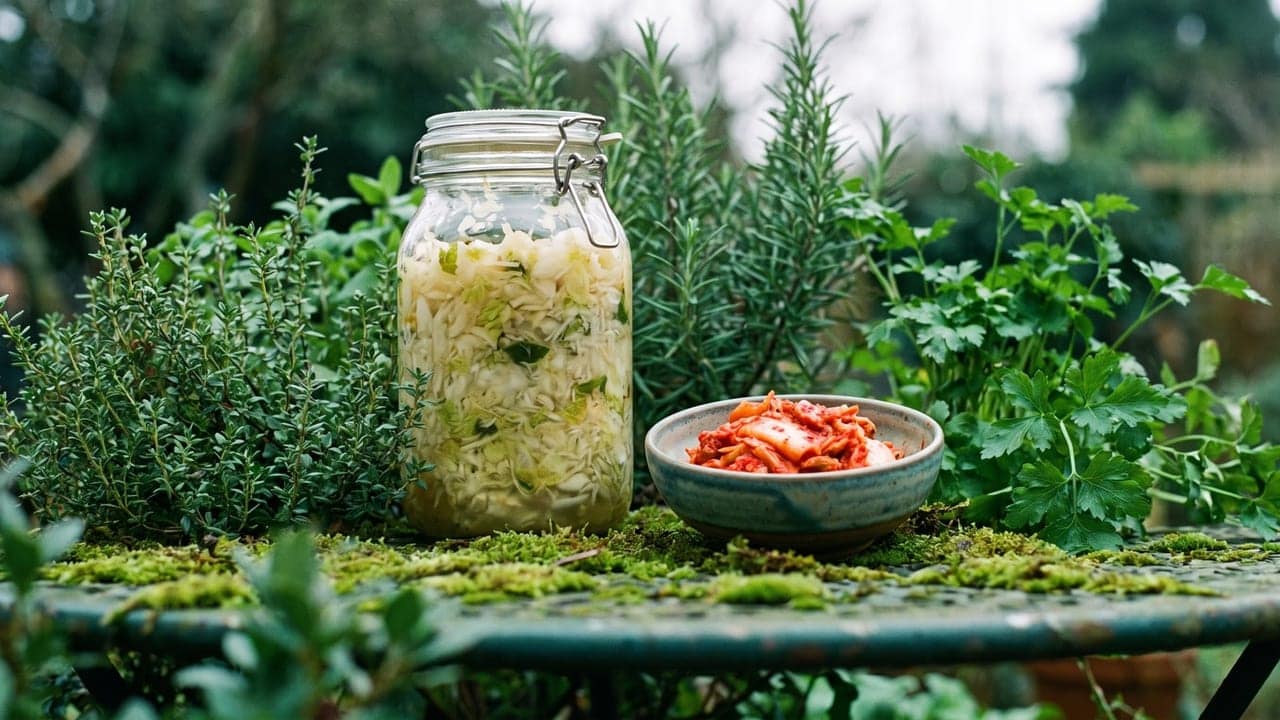
Certain foods for vaginal health can help nourish beneficial bacteria, support hormone balance and reduce inflammation throughout the body. On the other hand, some dietary patterns may disrupt microbial balance or increase the risk of irritation and infections.
If you're wondering what foods are good for vaginal health, the good news is that many nutrient-dense whole foods naturally support vaginal balance and reproductive health.
Below are the best foods for vaginal health, along with the key nutrients that help maintain a healthy vaginal microbiome.
One of the best foods for vaginal health is yogurt that contains live active cultures (aka probiotic yogurt).
Probiotic foods help replenish beneficial bacteria, including Lactobacillus, which are important for maintaining vaginal pH and preventing harmful microbes from overgrowing.
Research suggests that probiotic intake may support vaginal microbiome balance and help reduce the recurrence of certain vaginal infections.
Other probiotic-rich foods to eat for vaginal health include:
These fermented foods help support both gut and vaginal microbiota, since the gut microbiome strongly influences the reproductive microbiome.
Cranberries are widely known for supporting urinary tract health, but they may also benefit vaginal health.
They contain compounds called proanthocyanidins, which help prevent harmful bacteria from attaching to tissues in the urinary and reproductive tracts.
Cranberries are also rich in antioxidants that help reduce inflammation and oxidative stress in the body. Maintaining a healthy urinary tract can indirectly support vaginal health by limiting bacterial spread.
Choose unsweetened cranberries, cranberry juice with no added sugar or whole cranberry products.
Garlic has powerful antimicrobial and antifungal properties due to its active compound allicin.
Traditionally used as a natural remedy for infections, garlic may help inhibit the growth of harmful microbes that contribute to vaginal imbalance.
Studies suggest that garlic compounds demonstrate antifungal activity against candida species, which are responsible for many yeast infections.
Adding fresh garlic to meals is an easy way to incorporate one of the most protective foods good for vaginal health.
Sweet potatoes are rich in beta-carotene, which the body converts into vitamin A.
Vitamin A supports mucous membrane health, including the vaginal lining. Adequate intake helps maintain tissue integrity, lubrication and immune defenses in the reproductive tract.
Sweet potatoes also provide fiber, which supports gut health and helps maintain microbial balance throughout the body.
Other vitamin A-rich foods include:
Avocados are a nutrient-dense source of healthy fats, vitamin E and vitamin B6, which are all nutrients that promote hormone balance and tissue health.
Healthy fats help the body produce hormones and support cellular membranes, including those in vaginal tissues.
Vitamin E also acts as a powerful antioxidant that may help protect vaginal cells from oxidative damage while supporting healthy circulation.
Because of their nutrient profile, avocados are often considered among the best foods for vaginal health and hormone balance.
Flaxseeds contain phytoestrogens, plant compounds that can gently support estrogen balance in the body. Balanced estrogen levels are important for maintaining vaginal lubrication, tissue elasticity and a healthy vaginal lining.
Flaxseeds are also high in omega-3 fatty acids and fiber, both of which support anti-inflammatory pathways and gut health.
Adding ground flaxseeds to smoothies, oatmeal or yogurt is a simple way to include more foods for vaginal health in your diet.
Leafy greens, such as spinach, kale and Swiss chard, provide important nutrients for reproductive and vaginal health, including:
Folate plays a key role in cellular repair and tissue health, while magnesium supports circulation and helps regulate inflammation.
Because they are also rich in antioxidants, leafy greens help protect tissues from oxidative stress that can contribute to microbial imbalance.
Kefir is one of the most potent probiotic foods available and contains a diverse range of beneficial bacteria and yeasts. Compared to yogurt, kefir often provides a broader spectrum of probiotics that may help support both gut and vaginal microbiomes.
Studies suggest probiotic intake may help maintain healthy vaginal flora and improve microbial diversity.
Regularly consuming fermented dairy products like kefir is a simple strategy when looking for foods to eat for vaginal health.
Citrus fruits, such as oranges, lemons and grapefruits, provide large amounts of vitamin C, which supports immune defenses. A healthy immune system helps the body regulate microbial balance and defend against pathogens that could cause infections.
Vitamin C also supports collagen production, which contributes to tissue integrity in the vaginal lining.
Hydration is often overlooked but plays a critical role in vaginal health. Adequate water intake helps maintain natural lubrication and supports the body's detoxification systems.
Proper hydration also helps maintain healthy mucus membranes throughout the reproductive tract.
Fatty fish, such as salmon, sardines and mackerel, are excellent sources of omega-3 fatty acids, which help reduce inflammation and support hormone balance.
Omega-3s may also support healthy circulation and cellular function, which helps nourish tissues throughout the body, including the reproductive tract. Maintaining adequate intake of anti-inflammatory fats can help support overall reproductive and vaginal health.
Including fatty fish a few times per week is one way to incorporate more nutrient-dense foods for vaginal health into your diet, and they're some of the best fish to eat in general.
Berries, such as blueberries, strawberries and raspberries, are rich in antioxidants and vitamin C, which support immune health and help protect cells from oxidative stress.
Antioxidants help defend tissues against damage from free radicals, while vitamin C supports collagen production and healthy mucous membranes. These nutrients contribute to tissue strength and repair in the reproductive tract.
Adding berries to smoothies, yogurt or oatmeal is an easy way to include more antioxidant-rich foods good for vaginal health.
Nuts, like almonds, walnuts and pistachios, provide healthy fats, fiber and important micronutrients, such as vitamin E and magnesium.
Vitamin E acts as a powerful antioxidant that helps protect cells from oxidative damage, while healthy fats support hormone production and cellular membranes.
Regularly eating nuts can help supply nutrients that contribute to hormonal balance and overall reproductive health.
Soy foods, such as tofu, tempeh and edamame, contain natural plant compounds called isoflavones, which act as phytoestrogens in the body.
Phytoestrogens may help support estrogen balance, particularly during periods when hormone levels fluctuate, such as menopause. Balanced estrogen levels are important for maintaining vaginal lubrication and healthy tissues.
Incorporating moderate amounts of soy foods may help support hormone balance and reproductive wellness.
A wide variety of fruits provide vitamins, antioxidants and fiber that support immune function and microbial balance.
Fiber helps nourish beneficial gut bacteria, which may influence the vaginal microbiome through the gut-reproductive tract connection. Many fruits also contain polyphenols and antioxidants that help reduce inflammation.
Regularly eating a diverse range of fruits can help support overall health while contributing to a balanced microbiome.
Hydrating foods, such as cucumbers, watermelon, celery and lettuce, contain high amounts of water along with vitamins and antioxidants.
Proper hydration supports healthy mucous membranes throughout the body, including the vaginal lining. It may also help support natural lubrication and tissue function.
Including water-rich foods in your diet can complement fluid intake and help support overall hydration.
Broccoli is a nutrient-dense vegetable rich in vitamin C, fiber and beneficial plant compounds.
These nutrients help support immune function, gut health and the body's natural detoxification processes. Proper detoxification and hormone metabolism are important for maintaining hormonal balance.
Cruciferous vegetables like broccoli are therefore valuable additions when choosing foods to eat for vaginal health.
Peppers, particularly chili peppers, contain capsaicin, a bioactive compound known for its antioxidant and anti-inflammatory properties. Capsaicin may also help support healthy circulation, which helps deliver oxygen and nutrients to tissues throughout the body.
Improved circulation and reduced inflammation can support overall reproductive health and tissue function.
Whole grains, such as oats, quinoa and brown rice, provide fiber, B vitamins and important minerals.
Fiber supports digestive health and helps nourish beneficial gut bacteria. Because gut microbiota can influence the reproductive microbiome, maintaining a healthy digestive system may help support vaginal balance.
Whole grains also provide sustained energy and help maintain healthy metabolic function.
Olive oil is rich in monounsaturated fats and antioxidant polyphenols that help reduce inflammation and support cardiovascular health. Healthy fats help support hormone production and maintain cellular membranes throughout the body.
Using extra virgin olive oil in cooking or dressings is a simple way to include more anti-inflammatory foods good for vaginal health in your diet.
Seeds, such as chia seeds, pumpkin seeds and sesame seeds, are rich in fiber, healthy fats and minerals, like zinc and magnesium. These nutrients support immune function, hormone production and tissue repair.
Many seeds also provide omega-3 fatty acids, which help reduce inflammation.
Adding seeds to smoothies, yogurt or salads is a convenient way to increase nutrient intake and support overall reproductive health.
Eggs are a highly nutritious food that provides high-quality protein along with essential vitamins and minerals, including vitamin D, B vitamins and choline.
Protein supports tissue repair and cellular function throughout the body. Meanwhile, nutrients like vitamin D play a role in immune health and hormone regulation.
Regularly consuming nutrient-dense foods like eggs can help support overall reproductive and vaginal wellness.
Dark chocolate that contains a high percentage of cocoa is rich in antioxidants known as flavonoids. These compounds help combat oxidative stress and may support healthy circulation.
Improved circulation helps deliver nutrients and oxygen to tissues throughout the body.
When enjoyed in moderation, high-quality dark chocolate can contribute beneficial antioxidants to a balanced diet.
30-day protocol
Rebuild the gut lining and microbiome: the remove–replace–repair sequence, foods, supplements and the labs that confirm progress.
Free with your Dr. Axe account
View the protocol →Several key nutrients contribute to maintaining vaginal balance and supporting the reproductive system, and many foods for vaginal health provide these nutrients. Here are some of the best nutrients for women to take for vaginal health:
Probiotics for vaginal health help maintain the beneficial bacteria that dominate a healthy vaginal microbiome. These bacteria produce lactic acid, which keeps vaginal pH slightly acidic and protective.
Vitamin A supports mucous membrane integrity and helps maintain healthy tissues in the reproductive tract.
Vitamin C acts as a powerful antioxidant and supports immune function, helping the body protect against infections.
Omega-3s reduce inflammation and support hormonal balance, which can indirectly influence vaginal health.
Fiber helps nourish beneficial gut bacteria. Because the gut microbiome interacts with the reproductive microbiome, a fiber-rich diet supports overall microbial balance.
Phytoestrogens from foods like flaxseeds may help support estrogen balance, which is important for vaginal lubrication and tissue health.
Prebiotics are types of fiber that feed beneficial bacteria in the gut. By nourishing these microbes, prebiotics help support a balanced microbiome, which may indirectly influence vaginal microbial health.
Vitamin E is a potent antioxidant that helps protect cells from oxidative stress and supports healthy skin and mucous membranes, including vaginal tissues.
Zinc supports immune function, wound healing and cellular repair. Adequate zinc intake may help the body maintain healthy tissues and defend against infections.
Testosterone, although present at lower levels in women than men, plays a role in libido, tissue health and hormone balance. Adequate nutrient intake supports the body’s natural hormone production.
Beta-carotene is an antioxidant and a precursor to vitamin A. It helps support mucous membranes and contributes to healthy tissue maintenance.
Magnesium plays an important role in hormone regulation, nerve function and muscle relaxation. Balanced hormone levels are important for maintaining healthy vaginal tissues and supporting reproductive wellness.
Magnesium also helps regulate inflammation and supports healthy circulation throughout the body. These functions help deliver oxygen and nutrients to tissues, including those in the reproductive tract.
Folate is a B vitamin that aids cell growth, repair and DNA synthesis. Because tissues in the reproductive system are constantly renewing, adequate folate intake helps maintain healthy cellular function.
Folate also supports healthy blood circulation and plays a role in reproductive health. Foods rich in folate include leafy green vegetables, legumes and certain fruits.
Vitamin B6 helps support hormone balance and plays a role in neurotransmitter production. Balanced hormone levels are important for maintaining vaginal health and reproductive function.
This vitamin also contributes to immune system support and helps regulate inflammatory responses in the body. Adequate vitamin B6 intake may therefore help support overall reproductive wellness.
Certain dietary habits may negatively affect vaginal health or disrupt microbial balance, such as:
Certain foods also can alter vaginal odor, even some of the best foods for vaginal health. For instance, fatty fish and garlic have been linked to changes in vaginal scent, in addition to the following foods:
Some of the best foods for vaginal health include yogurt, kefir, cranberries, garlic, sweet potatoes, avocados, flaxseeds and leafy greens. These foods provide probiotics, antioxidants and nutrients that support the vaginal microbiome.
Foods to eat for vaginal health regularly include probiotic foods (like yogurt and kefir), fiber-rich vegetables, healthy fats (such as avocados and flaxseeds) and antioxidant-rich fruits, like citrus.
Yes. Diet can influence vaginal pH indirectly by shaping the gut microbiome, supporting beneficial bacteria and affecting hormone balance.
Probiotics may support vaginal health by promoting beneficial bacteria, such as Lactobacillus, which help maintain healthy vaginal pH and microbial balance.
High sugar intake may encourage yeast overgrowth in some individuals, potentially increasing the risk of recurrent yeast infections.