How to Make Breakfast Bars (Plus a Plant-Based Variation)
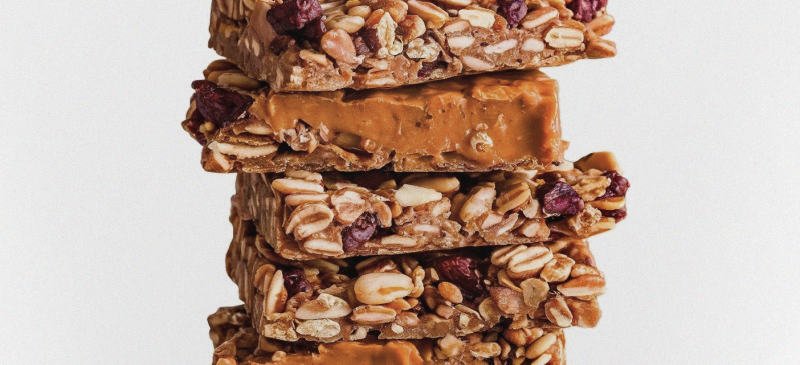
Oats have long been a breakfast staple, whether served as a warm bowl of oatmeal or prepared ahead as overnight oats. Another oat-based option that has become increasingly popular is breakfast bars, sometimes called baked oatmeal bars.
A homemade breakfast bar is a compact, handheld option typically made with ingredients such as oats, seeds, nuts, dried fruit, protein powder and natural sweeteners. These ingredients provide a combination of carbohydrates for fuel, protein for satiety and muscle support, and healthy fats that can help keep you full.
This breakfast bars recipe offers two different ways to make them. The first uses collagen protein and eggs, while the second is a plant-based variation made with plant protein, almond butter and banana.
Both versions are baked, easy to transport and provide a convenient, nutrient-dense choice when there isn’t time for a full breakfast.
Breakfast bars are also well suited to meal prep and can appeal to both adults and kids. Beyond breakfast, they can be enjoyed as a midday snack or eaten before or after a workout.

Breakfast bar ingredients
What goes into homemade breakfast bars? Oats form the foundation, while protein sources, wet ingredients, natural sweeteners, seeds and dried fruit contribute flavor, texture and nutrition.
Here are the key ingredients in these breakfast bar recipes:
- Rolled oats: Oats supply soluble fiber, particularly beta-glucan, along with steady-burning complex carbohydrates for sustained energy. In breakfast bars, rolled oats also provide bulk and structure, absorb moisture, and help produce a cohesive, chewy texture.
- Cinnamon: This warming spice contains antioxidants and polyphenols. Its flavor and aroma pair particularly well with ingredients such as applesauce, cranberries and vanilla.
- Collagen protein powder: Used in the regular breakfast bars recipe, collagen protein supports skin, joint and gut health. It also increases the protein density of the bars, contributes to their texture and binding, and adds flavor when a vanilla variety is used. (Ancient Nutrition’s Multi Collagen Protein Vanilla makes a great choice here.)
- Unsweetened applesauce: Applesauce supplies natural sweetness, vitamin C and fiber. It also contributes moisture while serving as a lower-calorie, lower-fat alternative to oil.
- Eggs: Eggs provide high-quality protein and essential amino acids. In this recipe, they also function as a binder and contribute moisture, richness and structure.
- Maple syrup: Maple syrup supplies natural sugars as well as antioxidants and minerals, such as manganese and zinc. It also contributes to the bars’ soft-chewy consistency and helps them brown slightly during baking.
- Unsweetened almond milk: Almond milk is low in calories, rich in vitamin E and typically easy to digest. Here, it adds moisture, helps activate the baking powder and contributes to a lighter texture.
- Dried cranberries: Cranberries contribute antioxidants, particularly polyphenols, while providing chewy bursts of tart-sweet flavor. They also add color and balance the cinnamon and vanilla flavors.
- Pumpkin seeds: Pumpkin seeds contribute plant-based protein and fiber for satiety. They also give the bars crunch and additional texture while making them feel hearty.
For the plant-based breakfast bars recipe, several additional ingredients take the place of the collagen protein, eggs and applesauce:
- Almond butter: Almond butter contributes plant-based protein and a slower-digesting source of fat that can help keep you full longer. It also serves as a binder while adding moisture and a creamy consistency.
- Banana: Mashed banana supplies natural carbohydrates and potassium. It brings natural sweetness and a mild banana flavor while adding moisture and helping the ingredients bind together.
- Plant-based protein powder: Plant protein adds real plant-based protein to the recipe. A vanilla-flavored powder works particularly well with the other ingredients in these breakfast bars. (Try Ancient Nutrition’s Multi Protein Plant-Based Vanilla.)
Additional breakfast bar mix-in options
Pumpkin seeds and dried cranberries are folded into the regular breakfast bars recipe, while the plant-based variation uses pumpkin seeds, raisins and dark chocolate chips.
You can also change up the mix-ins to create different combinations. Options include:
- Shredded coconut
- Chopped walnuts, pecans, almonds or cashews
- Sunflower seeds
- Dried cherries
- Cacao nibs
- Raisins
- Flax seeds
- Dark chocolate chips
Avoid using more than three mix-ins in a single batch, counting the mix-ins already included in the recipe. Adding too many can change the balance of the batter and potentially prevent the breakfast bars from turning out as intended.
Breakfast bars nutrition facts
Both versions of these homemade breakfast bars provide a balance of macronutrients along with a variety of vitamins and minerals.
One regular breakfast bar has 91 calories and contains approximately 13 grams of carbohydrates, two grams of fat and five grams of protein. It’s also high in manganese, phosphorus, copper, riboflavin and magnesium.
One or two bars can be served for breakfast, perhaps alongside a smoothie.
The plant-based breakfast bar is denser, which makes it higher in calories and macronutrients. Each 156-calorie serving contains 17 grams of carbohydrates, seven grams of fat and eight grams of protein.
It’s also high in manganese, phosphorus, copper, magnesium, riboflavin, vitamin E and zinc.
How to make breakfast bars
Making this breakfast bars recipe starts with a 350-degree (Fahrenheit) oven and an 8-by-8-inch baking pan. Line the pan with parchment paper, allowing the parchment to extend over the edges to help prevent sticking and make the baked bars easier to remove.
For the regular version, combine the rolled oats, vanilla collagen protein powder, baking powder, sea salt and cinnamon in a large bowl. Stir until the dry ingredients are evenly distributed.
In another bowl, whisk together the eggs, unsweetened applesauce, almond milk, maple syrup and vanilla extract. Pour this wet mixture into the dry ingredients, and fold everything together until you have a thick batter.
For the plant-based breakfast bars, combine the rolled oats, vanilla plant protein powder, baking powder and sea salt. In a separate bowl, mash the banana, and then mix it with the almond butter, almond milk, maple syrup and vanilla.

After combining the wet and dry ingredients, allow the batter to sit for about 15 minutes so the flavors can meld.
For the regular bars, fold in the pumpkin seeds and dried cranberries. For the plant-based variation, add the dark chocolate chips, raisins and pumpkin seeds.
Distribute the mix-ins evenly throughout the batter.
Transfer the mixture to the parchment-lined baking pan, and use a spatula to smooth the surface. Bake for 22 to 28 minutes.
The breakfast bars are ready when the edges are golden and the center has set.
Allow them to cool completely before cutting. This cooling period helps the bars maintain their shape.
Slice the batch into 16 individual breakfast bars, and enjoy them as a grab-and-go breakfast or snack.
Planning to meal prep a larger batch? You can double the breakfast bars recipe.
Use a larger 9-by-18-inch pan, and increase the baking time by 10 minutes.
More oat recipes
If breakfast bars have you looking for more ways to use oats, consider these recipes:
- Carrot oatmeal breakfast cake
- Gingerbread overnight oats
- Strawberry oatmeal cookies
- Oatmeal breakfast cookies
Frequently asked questions
Are breakfast bars healthy?
Homemade breakfast bars like these two versions can be. They provide a balanced combination of carbohydrates, healthy fats, fiber and protein, making them a convenient and nutrient-dense choice for busy mornings. Store-bought breakfast bars, however, are often high in added sugars while being low in protein.
How should oatmeal breakfast bars be stored?
Store these baked oatmeal breakfast bars in the refrigerator for up to five days. With more than one person enjoying them, though, a batch may disappear well before then.
Can breakfast bars be frozen?
Yes. Once the breakfast bars have completely cooled and been sliced, place them in freezer-safe bags for freezing. Thaw the bars in the refrigerator before eating them.
Why did my breakfast bars turn out dry?
Several factors can cause dry breakfast bars, including leaving them in the oven too long. Remove the pan shortly after the center has set rather than overbaking the bars.
It’s also important to follow the ingredient ratios in the breakfast bars recipe. Both oats and protein powders absorb substantial amounts of moisture, so changing the proportions can affect the final consistency.
What are breakfast bars made of?
Breakfast bars are generally compact, handheld bars made from combinations of ingredients, such as oats, nuts, seeds, dried fruits, protein powders and natural sweeteners. In these recipes, rolled oats provide the foundation, while the remaining ingredients add protein, fats, sweetness, moisture and texture.
Can breakfast bars be eaten as a snack?
Yes. Although they’re designed as a convenient morning option, these breakfast bars can also be enjoyed as a midday snack or before or after a workout.
Are these breakfast bars good for meal prep?
Yes. Both versions travel well and can be refrigerated for up to five days, making them convenient for meal prep. You can also double the recipe using a 9-by-18-inch pan and adding 10 minutes to the baking time.
Conclusion
Homemade breakfast bars offer another convenient way to turn rolled oats into a portable breakfast or snack. With oats at the center of both versions, you can choose between a recipe made with collagen protein and eggs or a plant-based breakfast bars recipe featuring plant protein, almond butter and banana.
Pumpkin seeds, dried fruit and other mix-ins add flavor and texture, while the baked format makes the bars easy to prepare ahead, refrigerate or freeze. Whether eaten for breakfast alongside a smoothie, packed as a midday snack, or enjoyed before or after a workout, these baked oatmeal bars provide a simple option for busy days.
Print
How to Make Breakfast Bars (Plus a Plant-Based Variation)
- Total Time: 45 minutes
- Yield: 16 1x
- Diet: Gluten Free
Description
This breakfast bars recipe is an easy way to put rolled oats to work in a compact, handheld breakfast. Made with oats, seeds, dried fruit, protein powder and natural sweeteners, these baked oatmeal bars are designed to provide a balanced and convenient source of morning energy. Choose the regular collagen-containing recipe, or make the plant-based variation.
Ingredients
Regular breakfast bars
- 2 cups rolled oats
- 4 scoops vanilla collagen protein powder
- 1 teaspoon cinnamon
- ¼ teaspoon sea salt
- 1 teaspoon baking powder
- ¼ cup dried cranberries
- ½ cup unsweetened applesauce
- ¼ cup pumpkin seeds
- 2 large eggs
- 1 teaspoon vanilla extract
- ¼ cup maple syrup
- ¼ cup unsweetened almond milk
Plant-based breakfast bars
- 2 cups rolled oats
- 4 scoops vanilla plant-based protein powder
- ¼ cup pumpkin seeds
- ½ cup almond butter
- 1 teaspoon vanilla extract
- ¼ cup dark chocolate chips
- 1 medium banana, mashed
- ¼ teaspoon sea salt
- ¼ cup raisins
- 1 teaspoon baking powder
- ¼ cup maple syrup
- ¼ cup unsweetened almond milk
Instructions
- Heat the oven to 350°F. Line an 8×8-inch baking pan with parchment paper.
- For the regular breakfast bars, combine the rolled oats, collagen protein powder, baking powder, sea salt and cinnamon in a large bowl. For the plant-based bars, combine the oats, plant protein powder, baking powder and sea salt.
- To prepare the wet mixture for the regular recipe, whisk together the eggs, applesauce, almond milk, maple syrup and vanilla extract in another bowl. For the plant-based version, combine the almond butter, mashed banana, almond milk, maple syrup and vanilla extract.
- Stir the wet ingredients into the appropriate dry mixture. Fold pumpkin seeds and dried cranberries into the regular batter. For the plant-based batter, fold in the dark chocolate chips, raisins and pumpkin seeds.
- Transfer the batter to the prepared baking pan, and spread it evenly, smoothing the surface.
- Bake for 22 to 28 minutes or until the bars are set and lightly golden.
- Allow the baked mixture to cool completely, then cut it into 16 breakfast bars.
Notes
Nutrition
One regular breakfast bar (37 g) contains:
- Calories: 91
- Protein: 5.3 g
- Total carbohydrate: 13 g
- Sugar: 5.2 g
- Fiber: 1.4 g
- Total fat: 2.3 g
- Monounsaturated fat: 0.8 g
- Polyunsaturated fat: 0.8 g
- Saturated fat: 0.5 g
- Trans fat: 0 g
- Cholesterol: 24 mg
- Sodium: 49 mg (3% DV*)
- Manganese: 0.745 mg (41% DV)
- Phosphorus: 111 mg (16% DV)
- Copper: 0.095 mg (11% DV)
- Vitamin B2 (riboflavin): 0.117 mg (11% DV)
- Magnesium: 30 mg (10% DV)
One plant-based breakfast bar (40 g) contains:
- Calories: 156
- Protein: 10 g
- Total carbohydrate: 17.1 g
- Fiber: 2.7 g
- Sugar: 4.9 g
- Total fat: 6.9 g
- Monounsaturated fat: 3.4 g
- Polyunsaturated fat: 1.8 g
- Saturated fat: 1.2 g
- Trans fat: 0 g
- Cholesterol: 0 mg
- Sodium: 63 mg (4% DV*)
- Manganese: 0.925 mg (51% DV)
- Copper: 0.194 mg (22% DV)
- Phosphorus: 145 mg (21% DV)
- Magnesium: 56 mg (18% DV)
- Vitamin B2 (riboflavin): 0.171 mg (16% DV)
- Vitamin E: 1.97 mg (13% DV)
- Zinc: 0.93 mg (12% DV)
*Daily Value percentages are based on a 2,000-calorie diet.
- Prep Time: 15 min
- Cook Time: 30 min
- Category: Breakfasts, Snacks
- Method: Baking
- Cuisine: American
Nutrition
- Serving Size: 1 bar (37g)
- Calories: 91
- Sugar: 5.2g
- Sodium: 49mg
- Fat: 2.3g
- Saturated Fat: 0.5g
- Unsaturated Fat: 1.6g
- Trans Fat: 0g
- Carbohydrates: 13g
- Fiber: 1.4g
- Protein: 5.3g
- Cholesterol: 24mg
Popular Recipes