Protein Overnight Oats: High-Protein Base Recipe Plus 7 Variations
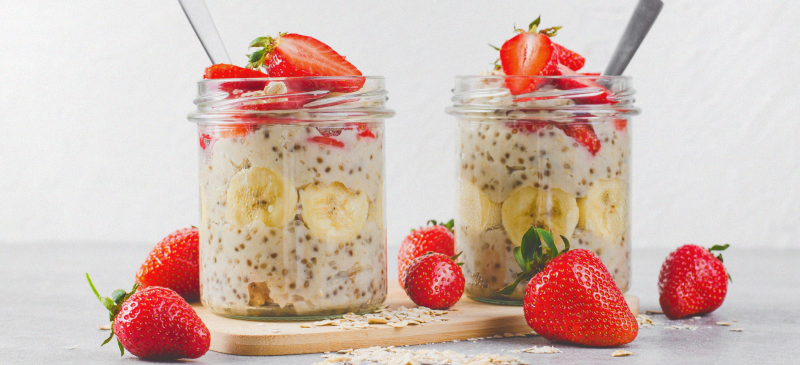
When you need a quick, nutritious breakfast with minimal morning preparation, overnight oats are one of the easiest options. Add rolled oats, your preferred ingredients and milk of your choice to a Mason jar or other container the night before, refrigerate it, and breakfast is waiting for you the next morning.
You can eat it at home or grab the container on your way out the door.
One potential drawback of many traditional overnight oats recipes is that they aren’t particularly high in protein. Oats and other common ingredients provide fiber-rich, complex carbohydrates, but protein isn’t always a significant part of the meal.
That’s where protein overnight oats come in.
Adding a quality protein source creates a more balanced breakfast and provides some of the primary benefits associated with protein, including supporting muscle building, helping keep hunger at bay, supporting healthy weight management and more.
A protein-rich breakfast can also help support energy after an overnight fast, promote longer-lasting fullness, reduce mid-morning cravings, and offer amino acids that your muscles and metabolism need to begin the day.
The protein overnight oats recipe below gives you a simple base you can prepare ahead of time, along with several variations for changing up the flavor.
What are protein overnight oats?
Protein overnight oats are a no-cook, make-ahead breakfast made by soaking rolled oats in liquid — typically milk or a plant-based milk — together with a protein source, such as Greek yogurt, whey protein powder or collagen.
While the mixture rests in the refrigerator overnight, the rolled oats absorb the liquid, soften and thicken. By morning, the result is a creamy consistency similar to pudding.
Adding a high-quality protein source makes this simple breakfast more satisfying while supporting energy and helping fuel muscle recovery.
Protein overnight oats are also highly customizable. Starting with the same basic combination of oats, liquid and protein, you can incorporate fruit, spices, seeds, nut butters and other toppings to adjust the flavor, texture and nutritional profile.
Protein overnight oats main ingredients
A good protein overnight oats recipe combines complex carbohydrates with protein and healthy fats. Here are the primary ingredients:
Flavorings
Vanilla, cinnamon, cocoa powder and various spices are popular ways to add flavor to protein overnight oats. These ingredients can also contribute antioxidants.
Cinnamon can help support healthy blood sugar balance, cocoa contains flavonoids associated with heart health, and spices such as ginger and nutmeg can support gut health.
Fruit
Berries, such as blueberries, raspberries and blackberries, are excellent choices, as are sliced banana, diced apple or pear, mango, and papaya. Nearly any fruit can work in overnight oats other than citrus.
Fruit contributes fiber, vitamins and antioxidants. You can add it when assembling the oats the night before or mix it in the following morning.
Healthy fats
Chia seeds, flaxseed or flaxseed meal, hemp seeds, pumpkin seeds, sunflower seeds, and nuts such as chopped almonds, pecans or walnuts can provide healthy fats while helping make the meal more satiating and balanced.
Almond butter and peanut butter are additional options.
Liquid
Milk or non-dairy milk supplies the moisture needed for the rolled oats to soften.
Dairy milk provides calcium, vitamin D and additional protein to support bone and muscle health. Non-dairy milk alternatives are often sources of vitamins A, D and E.
Protein source
Protein powder is an easy way to turn standard overnight oats into protein overnight oats. Whey, collagen, plant-based protein and multi-source protein blends can all be used.
Greek yogurt and cottage cheese are other protein-rich options.
Protein sources provide amino acids that support muscle health, satiety, metabolism and healthy energy levels. Greek yogurt and cottage cheese can also provide calcium and probiotics, while collagen supports skin, joint and gut health.
Sweetener
Sweetener is optional. Maple syrup, honey and stevia are common choices.
Maple syrup and honey contain trace minerals and antioxidants, while stevia provides sweetness without adding sugar or calories.
Toppings
Seeds — especially sunflower and pumpkin seeds — chopped nuts and granola are popular toppings when you want additional texture and crunch.
Nutrition facts
Including protein and a healthy fat alongside the oats creates a breakfast in which each of the three macronutrients is represented.
The base protein overnight oats recipe made with one 30-gram scoop of vanilla whey protein provides approximately 447 calories, 53.1 grams of carbohydrates, 11.2 grams of fat and 35.6 grams of protein.
Changing the protein source changes the nutritional profile.
Using one 10.5-gram scoop of vanilla collagen protein reduces the calorie count by about 95 calories and decreases protein by approximately 14 grams compared with the whey version. Using two scoops, or 21 grams, of the collagen protein reduces calories by about 60 and protein by approximately five grams.
A multi-source protein and creatine powder comparable to the one used in the original formulation adds approximately 10 calories and three grams of protein compared with the base whey version.
At approximately 36 grams of protein, the base recipe provides substantial protein to support muscle health, satiety and healthy energy levels. It also supplies 11.8 grams of fiber to support digestion, gut health and longer-lasting fullness.
Its fat content is predominantly polyunsaturated and monounsaturated fat, with 2.6 grams of saturated fat and no trans fat. Thanks to the chia seeds, one serving also contains approximately 2.1 grams of omega-3 fatty acids.
This protein overnight oats recipe provides a range of micronutrients as well. Manganese is particularly abundant at 251 percent of the recommended daily value and supports metabolic health and antioxidant activity. The recipe also contains meaningful amounts of phosphorus, magnesium, zinc and calcium, nutrients that contribute to bone health, cellular energy, immune system health and muscle function.
Several B vitamins are represented, including thiamine, riboflavin, pantothenic acid, niacin and vitamin B12. These nutrients support energy production, nervous system health and overall metabolic function.
One serving contains about 15 grams of sugar, primarily from whole-food ingredients. Together, the combination of protein, carbohydrates, healthy fats, fiber and micronutrients makes these oats a nutrient-dense breakfast designed to help keep you energized, nourished and satisfied throughout the morning.
How to make protein overnight oats
Making protein overnight oats takes only a few minutes of active preparation.
Start by adding the rolled oats, protein powder and chia seeds to a Mason jar or small airtight container. Stir the dry ingredients together.
Next, pour in the almond milk or reduced-fat dairy milk. Mix thoroughly until the protein powder has been incorporated and the mixture is smooth without noticeable clumps.
If you’re including Greek yogurt, fold it into the mixture at this stage. It provides additional protein while making the oats even creamier.
Add the berries, followed by maple syrup, honey or liquid stevia if you’d like additional sweetness. The berries can alternatively be left out overnight and stirred into the oats the following morning.
Seal the container, and refrigerate it overnight. If you’re short on time, allow the mixture to chill for at least four hours.
This resting period gives the oats and chia seeds time to absorb the liquid and thicken.
The next morning, stir everything together. If the oats are thicker than you prefer, add a splash of milk until they reach your desired consistency.
Your cold, creamy, high-protein breakfast is then ready to eat.
Protein overnight oats variations
Once you’ve mastered the base protein overnight oats recipe, it’s easy to create different flavors. Below are seven variations to try:
1. Apple cinnamon
Combine the oats and milk with:
- Vanilla or collagen protein powder
- ½ cup diced apple
- ½ teaspoon cinnamon
Top with a drizzle of maple syrup and chopped walnuts.
2. Banana nut
Combine the oats and milk with:
- Vanilla protein powder
- ½ sliced banana
- 1 tablespoon almond butter
- A pinch of cinnamon
3. Berry cheesecake
Combine the oats and milk with:
- Vanilla protein powder
- ¼ cup full-fat Greek yogurt
- Mixed berries
- A drop of vanilla extract
Add granola on top before serving.
4. Chocolate peanut butter
- Combine the oats and milk with:
- Chocolate or vanilla protein powder
- 1 tablespoon peanut butter
- 1 tablespoon cocoa powder
Top with sliced banana or cacao nibs.
5. Mocha latte
Combine the oats and milk with:
- Chocolate protein powder
- 1 tablespoon cold brew coffee or espresso
- 1 teaspoon cocoa powder
Top with dark chocolate chips.
6. Pumpkin pie
Combine the oats and milk with:
- Vanilla protein powder
- ¼ cup pumpkin puree
- ½ teaspoon pumpkin spice
Finish with chopped pecans.
7. Tropical coconut
Combine the oats and milk with:
- Vanilla or collagen protein powder
- ½ cup pineapple or mango
- 1 tablespoon shredded coconut
Top with hemp seeds if desired.
Frequently asked questions
Can I use any type of protein powder in protein overnight oats?
Yes. Whey protein, collagen protein, plant-based protein and multi-source protein blends can all work in a protein overnight oats recipe. (Some high-quality options include Ancient Nutrition’s Whey Protein, Multi Collagen Protein, Whey Protein + Fat Loss * Blend, and Multi Protein + Creatine.)
The protein source can affect the final consistency. Whey tends to produce the thickest and creamiest texture. Collagen dissolves easily and results in lighter oats, while plant-based protein powders generally create a heartier, more filling consistency.
Do protein overnight oats need chia seeds?
No. Chia seeds aren’t essential, although they are highly recommended. Chia seeds help thicken overnight oats while contributing additional fiber for digestion and omega-3 fatty acids.
If you don’t want to use chia seeds, ground flaxseed can be substituted. Another option is to slightly decrease the amount of liquid so the finished oats aren’t too thin.
Can I make a protein overnight oats recipe dairy-free?
Yes. Replace dairy milk with a non-dairy option, such as almond milk, low-fat coconut milk or oat milk. If your version includes Greek yogurt, use your preferred dairy-free yogurt instead, or leave the yogurt out entirely.
How long do protein overnight oats last in the refrigerator?
When kept in an airtight container, protein overnight oats stay fresh for approximately three to four days. For the best flavor and texture, however, it’s preferable to eat them within the first 24 to 48 hours.
Should protein overnight oats be eaten cold or warm?
Overnight oats are traditionally eaten cold, directly from the refrigerator. This produces the characteristic cool and creamy consistency. If you’d rather have a warm breakfast, microwave the oats for approximately 30 to 60 seconds to create an experience closer to traditional oatmeal.
Can I meal prep multiple servings of protein overnight oats?
Yes. Protein overnight oats work well as part of high-protein meal prep.
Try preparing two or three jars at once. When using fresh fruit, add it either the night before or immediately before eating to help maintain the best texture.
What is the ideal liquid-to-oats ratio?
A useful starting point is a 1:1 ratio. For example, combine ½ cup of rolled oats with ½ cup of milk.
If you like thinner overnight oats, stir in additional liquid the next morning. For a thicker consistency, use slightly less milk or increase the amount of chia seeds.
Can I add toppings the night before?
It depends on the topping. Nuts, seeds and chocolate chips generally maintain their texture well enough to be added when you assemble the oats. Crunchier ingredients such as granola are better added immediately before eating so they remain crisp and fresh.
Can I use quick oats or steel-cut oats instead of rolled oats?
Quick oats can be used, but they typically result in a softer, mushier consistency. Steel-cut oats generally remain too firm for this preparation method, which is why old-fashioned rolled oats are the preferred option for this protein overnight oats recipe.
Conclusion
- Protein overnight oats offer a simple way to take the convenience of traditional overnight oats and add significantly more protein to the meal.
- With rolled oats providing complex carbohydrates and fiber, a protein source supplying amino acids, and ingredients such as chia seeds contributing healthy fats, the base recipe provides all three macronutrients in one make-ahead breakfast.
- It’s also easy to adapt. Fruit, spices, nut butters, seeds and toppings can transform the same basic recipe into flavors ranging from apple cinnamon and chocolate peanut butter to pumpkin pie and tropical coconut.
- Prepare your protein overnight oats the night before, refrigerate them for at least four hours and you’ll have a creamy, protein-rich breakfast ready when morning arrives.
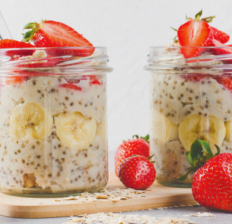
Protein Overnight Oats: High-Protein Base Recipe Plus 7 Variations
- Total Time: 3 minutes
- Yield: 1 1x
- Diet: Gluten Free
Description
This basic protein overnight oats recipe provides a simple starting point for adding more protein to a traditional overnight oats breakfast. Use the recipe as written, or customize it with one of the flavor variations above.
Ingredients
- ½ cup old-fashioned rolled oats
- 1 scoop vanilla protein powder
- 1 tablespoon chia seeds
- ½ cup unsweetened almond milk or reduced-fat milk
- ½ cup berries
- ¼ cup 2% Greek yogurt, optional
- 1 teaspoon maple syrup or honey or ½ dropper liquid stevia, optional
Instructions
- Place the rolled oats, protein powder and chia seeds in a jar or airtight container, and stir to combine.
- Add the almond milk or reduced-fat milk, and mix thoroughly until smooth.
- Stir in the Greek yogurt if using.
- Add the berries. If desired, sweeten with 1 teaspoon maple syrup or honey, or liquid stevia.
- Cover the container, and refrigerate overnight or for a minimum of four hours.
- Stir before serving the next morning. Add a splash of milk if you want a thinner consistency.
- Prep Time: 3 min
- Category: Breakfasts
- Method: Mixing
- Cuisine: American
Nutrition
- Serving Size: 311g
- Calories: 447
- Sugar: 15.4g
- Sodium: 91mg
- Fat: 11.2g
- Saturated Fat: 2.6g
- Unsaturated Fat: 7.8g
- Trans Fat: 0g
- Carbohydrates: 53.1g
- Fiber: 11.8g
- Protein: 35.6g
- Cholesterol: 69mg
Popular Recipes