
This Dr. Axe content is medically reviewed or fact checked to ensure factually accurate information.
With strict editorial sourcing guidelines, we only link to academic research institutions, reputable media sites and, when research is available, medically peer-reviewed studies. Note that the numbers in parentheses (1, 2, etc.) are clickable links to these studies.
The information in our articles is NOT intended to replace a one-on-one relationship with a qualified health care professional and is not intended as medical advice.
This article is based on scientific evidence, written by experts and fact checked by our trained editorial staff. Note that the numbers in parentheses (1, 2, etc.) are clickable links to medically peer-reviewed studies.
Our team includes licensed nutritionists and dietitians, certified health education specialists, as well as certified strength and conditioning specialists, personal trainers and corrective exercise specialists. Our team aims to be not only thorough with its research, but also objective and unbiased.
The information in our articles is NOT intended to replace a one-on-one relationship with a qualified health care professional and is not intended as medical advice.
June Produce: What Fruits and Vegetables Are in Season and How to Use Them
June 1, 2026
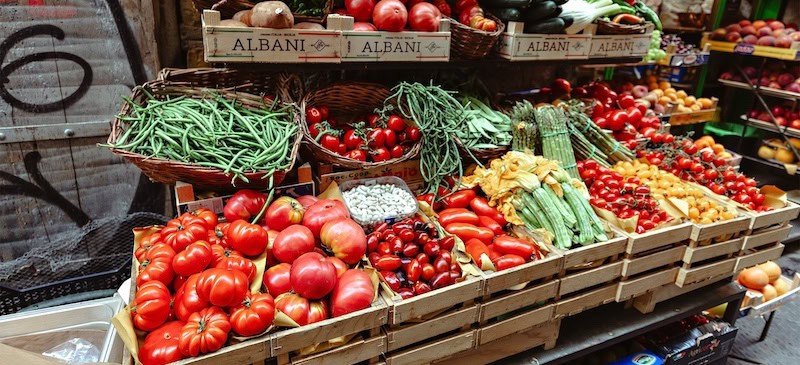
As summer begins to heat up, June brings an abundance of fresh, nutrient-rich produce to farmers markets and grocery store shelves. The transition from May produce to June produce still provides an abundance of spring fruits and spring vegetables, while summer veggies and summer fruits begin to appear more and more.
Eating seasonally not only supports local agriculture, but also ensures you get the freshest, most flavorful fruits and vegetables.
If you’re wondering what’s in season this month, here’s your go-to guide for June produce: what to buy, why it’s good for you and how to use it in your kitchen.
June produce at a glance
If you’re looking for the best June produce, this month offers a mix of late-spring and early-summer fruits and vegetables. Some of the most popular produce in season in June includes strawberries, cherries, blueberries, raspberries, blackberries, peaches, tomatoes, zucchini, cucumbers, green beans, snap peas and leafy greens.
The most common June produce includes:

Fruits in season in June:
- Strawberries
- Cherries
- Blueberries
- Raspberries
- Blackberries
- Peaches
- Plums
- Apricots
- Watermelon
- Cantaloupe
Vegetables in season in June:
- Tomatoes
- Zucchini
- Cucumbers
- Green beans
- Snap peas
- Radishes
- Beets
- Carrots
- Lettuce
- Spinach
June is considered one of the best months for seasonal eating because many spring crops remain available while summer produce begins reaching peak freshness and flavor.
What produce is in season in June?
June is a peak month for fresh fruits and vegetables, offering a colorful variety of options that are both delicious and packed with health benefits. Here are 20 of the best fruits and vegetables in season this month:
1. Strawberries
Strawberries are high in vitamin C, which supports immune function and collagen production. They’re also packed with antioxidants like anthocyanins and ellagic acid that help reduce inflammation and oxidative stress, supporting heart health and skin vibrancy.
2. Cherries
Cherries are rich in polyphenols and anthocyanins, compounds that have been linked to reduced inflammation and lower risk of chronic diseases. They also contain melatonin, which may help improve sleep quality and regulate your circadian rhythm.
3. Blueberries
Blueberries are one of the most antioxidant-rich fruits, particularly high in anthocyanins. They may help improve brain function, support heart health and reduce the risk of type 2 diabetes by improving insulin sensitivity.
4. Raspberries
Raspberries offer a high amount of dietary fiber, making them excellent for digestion and blood sugar control. They also contain vitamin C, manganese and ellagic acid, a compound known for its potential anti-cancer properties.
5. Blackberries
Blackberries are nutrient-dense, offering vitamin C, vitamin K and manganese. Their deep color is due to high levels of anthocyanins, which have been linked to brain health and reduced inflammation.
6. Peaches
Peaches are rich in vitamins A and C, both of which are important for immune function and skin health. They also provide fiber, potassium and beneficial plant compounds like chlorogenic acid that may help with fat metabolism.
7. Plums
Plums contain vitamin K, copper and antioxidants that can help reduce cellular damage. They also support blood sugar regulation due to their low glycemic index and polyphenolic compounds that may improve glucose metabolism.
8. Apricots
Apricots are loaded with beta-carotene (a precursor to vitamin A), which supports eye health and immune function. They also contain potassium and a good balance of soluble fiber to support heart and digestive health.
9. Melons (cantaloupe and honeydew)
Melons are hydrating fruits high in water content and rich in vitamin A (especially cantaloupe) and vitamin C. They’re low in calories but full of electrolytes, making them great for post-workout recovery and skin hydration.
10. Watermelon
Watermelon is more than 90 percent water, helping with hydration, and it’s high in lycopene, a powerful antioxidant that supports heart health and may reduce the risk of certain cancers. It also contains citrulline, an amino acid that may improve circulation.
11. Tomatoes
Tomatoes are a prime source of lycopene, which has been studied for its cardiovascular and cancer-protective properties. They also contain vitamin C, potassium and folate, which support immune function and blood pressure regulation.
12. Zucchini
Zucchini is a low-calorie vegetable rich in vitamin B6, which helps with brain development and mood regulation. It also contains potassium and antioxidants like lutein and zeaxanthin, which are good for eye health.
13. Cucumbers
Cucumbers are hydrating and anti-inflammatory, thanks to their high water content and compounds like cucurbitacins. They also provide vitamin K and silica, which support bone strength and skin elasticity.
14. Green beans
Green beans are a great source of vitamin K, fiber and folate. They help support bone health, aid digestion and may lower the risk of cardiovascular disease due to their antioxidant content.
15. Snap peas
Snap peas are crunchy, sweet, and packed with vitamin K, vitamin C and fiber. They promote strong bones, help with collagen production and aid in blood sugar regulation due to their high fiber and protein combo.
16. Radishes
Radishes support liver detoxification and digestion thanks to their glucosinolate content. They’re rich in vitamin C and contain compounds that may help reduce inflammation and protect against oxidative stress.
17. Beets
Beets are rich in dietary nitrates, which can help lower blood pressure and improve endurance by enhancing oxygen flow to muscles. They also contain folate, manganese and betalains, which support detoxification and reduce inflammation.
18. Carrots
Carrots are one of the best sources of beta-carotene, which converts to vitamin A in the body to support vision, skin health and immunity. They’re also rich in fiber and antioxidants that protect against cellular damage.
19. Lettuce
Lettuce is light and hydrating but rich in vitamin A, vitamin K and folate. It supports bone health, cell division and skin health, especially when you opt for darker varieties, like romaine or red leaf lettuce.
20. Spinach
Spinach is loaded with iron, folate and magnesium, essential for energy production and nervous system function. It’s also a powerful anti-inflammatory green thanks to compounds like lutein, chlorophyll and quercetin.
Why eat seasonal June produce?
Choosing June produce allows you to enjoy fruits and vegetables when they are naturally harvested, often providing better flavor, texture and nutrient density. Seasonal produce may also spend less time in storage and transportation before reaching your plate.
Benefits of eating produce in season during June include:
- Better taste and freshness
- More nutrients retained after harvest
- Greater variety of fruits and vegetables
- Support for local farmers and agriculture
- Potentially lower costs due to peak seasonal availability
Because June bridges spring and summer growing seasons, it offers one of the widest selections of fresh produce available all year.
Best June fruits and vegetables
When creating a June produce shopping list, prioritize fruits and vegetables that are at or near peak season. Peak-season produce often delivers the best flavor, texture and nutritional value while requiring fewer food miles than out-of-season alternatives.
The following June fruits and vegetables are among the most widely available seasonal produce items found at farmers markets, grocery stores and local farms throughout much of the United States during June.
What fruits are in season in June?
Fresh fruits in June include:
- Strawberries
- Cherries
- Blueberries
- Raspberries
- Blackberries
- Peaches
- Plums
- Apricots
- Watermelon
- Cantaloupe
- Avocados
- Currants
- Figs
- Grapes
- Honeydew melon
- Kiwi
- Mango
- Melons
- Nectarines
- Pineapple
- Pineberries
What vegetables are in season in June?
Fresh vegetables in June include:
- Tomatoes
- Zucchini
- Cucumbers
- Green beans
- Snap peas
- Radishes
- Beets
- Carrots
- Lettuce
- Spinach
- Artichokes
- Asparagus
- Bell Peppers
- Broad Beans
- Broccoli
- Cauliflower
- Corn
- Eggplant
- Kale
- Mushrooms
- Rhubarb
- Summer squash
- Sweet onions
June produce by category
Berries in season in June
June is one of the best months for fresh berries, including:
- Strawberries
- Blueberries
- Raspberries
- Blackberries
Stone fruits in season in June
Many stone fruits begin reaching peak season in June, including:
- Peaches
- Plums
- Apricots
- Nectarines
Melons in season in June
Hydrating summer melons available in June often include:
- Watermelon
- Cantaloupe
- Honeydew
Leafy greens in season in June
Leafy greens commonly harvested during June include:
- Spinach
- Lettuce
- Kale
Summer vegetables in season in June
Popular June vegetables include:
- Tomatoes
- Zucchini
- Cucumbers
- Green beans
- Bell peppers
- Summer squash
June produce to look for at farmers markets
Farmers markets are often one of the best places to find fresh June produce because fruits and vegetables are typically harvested closer to peak ripeness. Depending on your region, common farmers market finds in June may include strawberries, cherries, blueberries, lettuce, spinach, cucumbers, zucchini, tomatoes and snap peas.
Shopping at local farmers markets can help you discover seasonal varieties that may not be available in conventional grocery stores while supporting regional agriculture.
How to use June produce
Make the most of June’s bounty with these simple recipe ideas that feature June produce:
- Smoothies and bowls: Blend berries, peaches or spinach into refreshing morning smoothies or yogurt bowls.
- Grilled veggies: Toss zucchini, tomatoes and green beans with olive oil, and grill for a healthy side.
- Salads: Combine cucumbers, snap peas, radishes and leafy greens for a crisp summer salad.
- Fruit desserts: Bake cherries or berries into cobblers, pies or simply serve with whipped cream.
- Hydration helpers: Add watermelon, cucumber or mint to water for a natural flavor boost.
- Roasted roots: Roast beets and carrots with sea salt and herbs for a mineral-rich snack or side.
These simple preparations not only preserve nutrients, but enhance the natural sweetness and crunch of each ingredient.
Here are some recipes to try that utilize June produce:
- Summer sautéed veggies
- Peach cobbler
- One-pot chicken tinga
- Broccoli salad
- Chilled avocado and zucchini soup
- Easy Paleo chili
- Fruit kabobs
Frequently asked questions
What fruits are in season in June?
Many fruits reach peak season during June, including strawberries, cherries, blueberries, raspberries, blackberries, peaches, plums, apricots, watermelon and cantaloupe.
What vegetables are in season in June?
Common June vegetables include tomatoes, zucchini, cucumbers, green beans, snap peas, radishes, beets, carrots, lettuce and spinach.
Is June a good month for seasonal produce?
Yes. June is one of the best months for seasonal produce because it combines the final harvests of many spring crops with the arrival of early summer fruits and vegetables.
What is the best produce to buy in June?
Some of the best produce to buy in June includes strawberries, blueberries, cherries, peaches, tomatoes, zucchini, cucumbers and leafy greens because they are often at peak flavor and freshness.
Why should you eat produce that is in season?
Eating produce in season may provide better taste, freshness and nutrient retention while also supporting local agriculture and reducing the distance food travels before reaching consumers.
Conclusion
- Eating with the seasons is one of the healthiest and most sustainable ways to nourish your body.
- June produce offers a colorful variety of fresh fruits and vegetables that are ripe with flavor and packed with health benefits.
- From strawberries and blueberries to tomatoes, zucchini and cucumbers, June produce includes some of the most popular seasonal fruits and vegetables available throughout the year.
- Whether you’re meal prepping, cooking for the family or snacking on the go, these in-season picks will brighten up your plate and fuel your summer.
- Start filling your cart with June’s freshest produce. Your taste buds (and body) will thank you.
Popular Nutrition Posts