This Dr. Axe content is medically reviewed or fact checked to ensure factually accurate information.
With strict editorial sourcing guidelines, we only link to academic research institutions, reputable media sites and, when research is available, medically peer-reviewed studies. Note that the numbers in parentheses (1, 2, etc.) are clickable links to these studies.
The information in our articles is NOT intended to replace a one-on-one relationship with a qualified health care professional and is not intended as medical advice.
This article is based on scientific evidence, written by experts and fact checked by our trained editorial staff. Note that the numbers in parentheses (1, 2, etc.) are clickable links to medically peer-reviewed studies.
Our team includes licensed nutritionists and dietitians, certified health education specialists, as well as certified strength and conditioning specialists, personal trainers and corrective exercise specialists. Our team aims to be not only thorough with its research, but also objective and unbiased.
The information in our articles is NOT intended to replace a one-on-one relationship with a qualified health care professional and is not intended as medical advice.
How to Make Baking Soda Shampoo and Why You Should
November 4, 2025
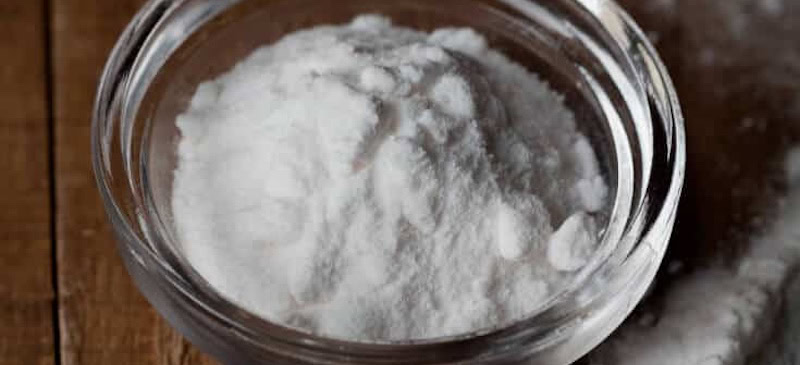
Baking soda is used for so many things, but did you know that baking soda shampoo is a great way to clean your hair? It’s true, and best of all, if you make your own, it’s free of many of the suspect ingredients in many brand-name shampoos.
Conventional shampoos often have numerous chemicals in them that may actually damage your hair over time. In fact, according to the Environmental Working Group, 10,500 chemical ingredients are used in personal care products, and the vast majority of them have never been assessed for safe use by the U.S. Food and Drug Administration.
While not every brand contains all these chemicals, simply reviewing the label can tell you what you need to know.
A study published in Current Pharmaceutical Biotechnology reported that specific chemicals found in many shampoos, including antimicrobial agents, surfactants and preservatives, can all impair different aspects of hair health. These chemicals can seep into your body through your skin and scalp, creating other damaging effects.
So why not avoid these chemicals and make your own hair cleaning product right at home? With this baking soda shampoo featuring lavender oil, you can have beautiful hair without all the chemicals.
Key ingredients
Baking soda (sodium bicarbonate)
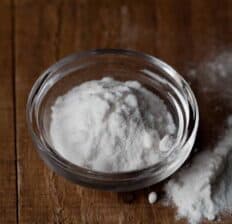
Baking soda acts as the primary cleansing agent in this formula. It works by dissolving and lifting away oils, product buildup and impurities from both the scalp and the hair shaft, thanks to its alkaline nature and fine crystalline texture.
By increasing the pH in the micro‑environment of the scalp, it can help loosen residues of styling products, oils and silicones that might otherwise cling to hair fibers. The exfoliating quality of its powder form also can support removing dead skin cells or flaky matter from the scalp surface, potentially helping refresh the scalp’s surface environment.
Because the scalp naturally sits at around pH 5.5, the alkaline nature (pH around 8-9) of baking soda means it can act as a clarifier, though this also means it should be used with caution and not excessively.
When the scalp is less burdened by residue, hair may appear to have more volume and shine simply because the cuticle layers are freer to reflect light, and the hair sits better on the scalp.
It is important to note a few things when it comes to using sodium bicarbonate on your hair. For starters, excessive or very frequent use may strip the scalp of its natural oils and disturb the cuticle, potentially leading to dryness, brittleness or breakage.
It also may not be appropriate for very dry, damaged or color‑treated hair, because those hair types typically need gentler, more acidic or balanced pH cleansers. When including baking soda in this DIY shampoo, it’s especially important to follow up with a good rinse and consider using a conditioner, or alternate with gentler cleansers, to maintain hair integrity.
Lavender essential oil
Lavender essential oil is included in the recipe both for aromatic benefit and for specific scalp and hair health functions. Some of the ways in which lavender oil can support hair and scalp health include:
- It has been shown to promote hair growth duration, increase hair follicle number and lead to thicker hair growth in some research.
- Lavender oil has antimicrobial and antifungal properties, which may help reduce microbes on the scalp that can contribute to itch, irritation or dandruff‑like symptoms.
- It also displays anti‑inflammatory and calming effects on the skin/scalp surface, which means it can help soothe scalp irritation, reduce redness and support a more balanced scalp environment for hair growth.
- As an antioxidant, lavender oil may help protect the scalp’s skin cells and hair follicles from oxidative stress (such as from environmental factors or aging), which supports overall hair health resilience.
In the context of this DIY baking soda shampoo, the lavender essential oil serves to enhance scalp comfort, promote a healthy follicle environment and give a pleasant sensory experience as part of the cleansing routine.
Purified water
Purified water serves as the base (the carrier) in which the other ingredients are dissolved or suspended. Its role may appear simple, but it is essential for ensuring effective performance and minimizing unwanted side effects.
Here’s why:
- Using purified (or very clean, low‑mineral, low‑chlorine) water helps prevent introducing excess minerals, chlorine or other tap water contaminants into the scalp/hair environment. Hard water minerals (like calcium, magnesium) and chemical additives like chlorine can leave deposits on hair or scalp, contribute to product buildup, stiffen hair fibers, reduce shine, and interfere with the cleansing/conditioning process.
- Clean water ensures that the other ingredients (baking soda and lavender oil) function as intended, without interference from waterborne residues or fluctuating mineral loads that might reduce efficacy or leave unwanted film on hair or scalp.
- In DIY shampoo formulations the water also provides the medium for mixing, distributing the ingredients evenly, and allowing gentle application and massage across the scalp and hair. It ensures proper dilution so the baking soda is not overly concentrated (which would increase risk of irritation) and the essential oil is safely incorporated.
In short, purified water ensures a cleaner, gentler and more predictable foundation for the shampoo therapy. This helps maximize the benefits of the active ingredients while minimizing interference from water quality issues.
Together, these three ingredients combine to create a minimal‑ingredient cleansing shampoo:
- the baking soda for clarifying and removing buildup
- lavender essential oil for scalp health, antimicrobial effects and soothing benefits
- purified water as the gentle, clean carrier medium that supports the performance and safety of the formulation
As always with DIY hair care, moderation, appropriate frequency and observation of your particular hair/scalp condition are key to good results.
How to make baking soda shampoo
This recipe is so simple and can give your hair body and volume without stripping your scalp of its much needed natural oils.
At first, you may notice that your hair is a bit oilier than usual. Give it a little time to adjust and balance.
Also, because you are used to the foaming action of most shampoos, this method may seem odd at first. Give it time, and you will love the results.
Now let’s get started making your at home baking soda shampoo!
You can mix this right in your own glass bottle. Double the recipe if you want to make more.
Place the baking soda in the bottle. Baking soda is great because it helps remove impurities. Once those impurities are removed, your hair will have way more volume!
Next, add the water, and shake well. You want to make sure the water is purified water to eliminate toxins that may be present.
To do this, simply boil the water for one minute. Then, allow it to cool.
Now, add the lavender essential oil. Lavender is a favorite due to the relaxation it provides by using it, not to mention the nice scent it provides. Lavender is an antioxidant that helps eliminate toxins and chemicals as well.
Once all ingredients are in the bottle, make sure to tightly screw on the cap, and shake well until it’s well-blended.
You can now try your new DIY baking soda shampoo. Just put a small amount into your palm, and then work it into your hair and scalp just like you normally shampoo. Gently massage it into the hair and scalp, and then allow it to sit for a minute or two before rinsing it.
You may want to try this homemade conditioner after using your baking soda shampoo to boost your hair health even further.
The hair is usually in the neighborhood of 4.5-5.5 pH level. Baking soda can be highly alkaline in nature. Therefore, do not overuse, as it can result in the hair becoming brittle and weak.
More DIY hair care recipes
Here are some more natural, homemade recipes for your hair and scalp:
- Rosemary mint shampoo
- Honey citrus shampoo
- Lavender and rosemary hair spray
- Dry shampoo
- Coconut lavender shampoo
How to Make Baking Soda Shampoo and Why You Should
- Total Time: 5 min
- Yield: 8 ounces 1x
Description
With this baking soda shampoo featuring lavender oil, you can have beautiful hair without all the chemicals.
Ingredients
- ¼ cup baking soda
- ¾ cup purified water
- 10 drops lavender essential oil
- clean shampoo bottle
Instructions
- Place the baking soda in the bottle.
- Add the purified water. Shake well.
- Add the lavender. Shake again making sure all ingredients are well-blended.
- Gently massage a dollop or two into the hair and scalp.
- Rinse well.
- Category: Hair Cair
- Method: Mixing
Popular Beauty Posts