
Advertisement
beauty

Everyone wants to get rid of blackheads. Not only are they unsightly, but like other forms of acne, they may be made worse by certain foods.1
What are blackheads exactly? Blackheads form when a pore (hair follicle) gets plugged with oil and dead skin cells and stays open at the surface.1 The blackheads block pores and can cause tiny bumps due to being clogged.
30-day protocol
The complete root-cause framework for cooling chronic inflammation — and easing the aches, stiffness, puffiness, fatigue and brain fog that sit upstream of nearly every chronic disease.
Free with your Dr. Axe account
View the protocol →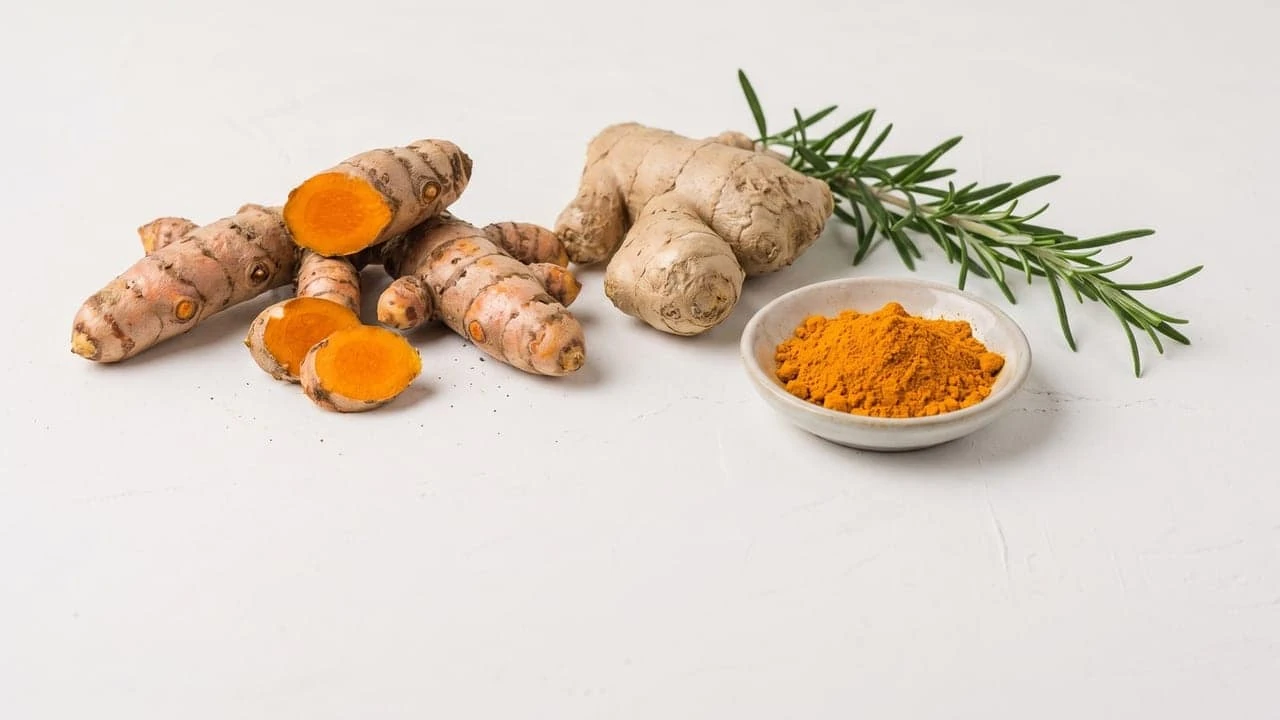
What's your biggest goal right now?
Additionally, they can occur due to sebum, excess secretion often found in greasy hair, that collects in open pores. Most often, they start as a yellow/brown color, but as the oil plug sits open to the air, it darkens and turns black.1
Blackheads are usually found on the nose, sides of the nose and the cheek area of the face. While these little guys can be annoying, they can be removed using this super easy DIY blackhead removal mask recipe.
Let’s get started making this wonderful and effective blackhead removal mask!
Place ⅛ cup of water in a small pan on the stove and bring to a slight boil. In a small dish, place two tablespoons of the hot water and the peppermint essential oil.
Peppermint oil has amazing benefits for your skin. It rejuvenates while providing antimicrobial properties to help rid the skin of those blackheads.
Now, add the bovine gelatin and blend well. If you think of Jello-O when you hear gelatin, you are on the right track. Sort of. Gelatin provides amino acids that our bodies need and is a type of protein that comes from collagen. In this mask, bovine gelatin is what gives it a firm, peel-off texture.
Now that you have combined the peppermint and gelatin, add the frankincense oil. Frankincense is one of my favorite essential oils. Did you know that it was one of the first natural remedies given to baby Jesus? Frankincense is an incredibly versatile oil and perfect for this mask since it offers acne-fighting benefits! It contains astringent properties that will protect skin cells while reducing the appearance of large pores, slow the aging process, and even tighten and lift the skin.
And for our last ingredient, add the turmeric and and stir, making sure all ingredients are well blended. They don’t call it liquid gold for nothing! We know that turmeric has amazing benefits for the body but what about the skin? Because turmeric has anti-inflammatory properties, early studies suggest it may benefit the skin, although it hasn't been tested on blackheads.2 Also, the antioxidants within it helps keep the skin elastic and give it youthful glow.
Now that you have combined all ingredients, simply apply the mixture on the nose and cheek area or on the entire face and neck with a brush. Leave it on for about 15 minutes making sure it dries completely. Gently remove the mask without tugging at your skin.
To complete the process, wash your face with warm water and pat dry. Your skin should feel amazingly soft! For an added touch, apply my DIY lavender and coconut oil face moisturizer. You can do this mask at night before you go to bed or in the morning.