This Dr. Axe content is medically reviewed or fact checked to ensure factually accurate information.
With strict editorial sourcing guidelines, we only link to academic research institutions, reputable media sites and, when research is available, medically peer-reviewed studies. Note that the numbers in parentheses (1, 2, etc.) are clickable links to these studies.
The information in our articles is NOT intended to replace a one-on-one relationship with a qualified health care professional and is not intended as medical advice.
This article is based on scientific evidence, written by experts and fact checked by our trained editorial staff. Note that the numbers in parentheses (1, 2, etc.) are clickable links to medically peer-reviewed studies.
Our team includes licensed nutritionists and dietitians, certified health education specialists, as well as certified strength and conditioning specialists, personal trainers and corrective exercise specialists. Our team aims to be not only thorough with its research, but also objective and unbiased.
The information in our articles is NOT intended to replace a one-on-one relationship with a qualified health care professional and is not intended as medical advice.
How to Get Rid of Bloating Fast: Causes, Relief & How to Debloat Naturally
May 24, 2026
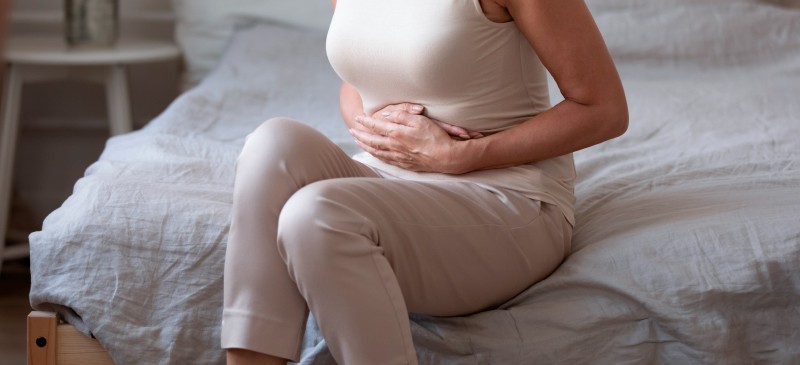
Bloating is a feeling of fullness, pressure or tightness in the abdomen that can make your stomach feel swollen, stretched or uncomfortable. A bloated stomach is often caused by excess gas, digestive issues, constipation, food sensitivities, hormonal changes or an imbalance in gut bacteria.
If you’re wondering how to get rid of bloating fast, the most effective strategies usually include improving digestion, reducing inflammatory foods, staying hydrated, supporting gut health and avoiding foods that trigger gas buildup.
Many people ask:
- Why am I so bloated?
- What causes bloating?
- What helps with bloating?
- How do I debloat fast?
The good news is that bloating relief is often possible with simple diet and lifestyle changes that improve digestion and reduce inflammation naturally.
Below we’ll look closer at reasons you may deal with an inflated belly, plus discuss options to help deal with and prevent bloated stomach, such as foods to focus on and those to avoid. So keep reading if you want to find out how to get rid of bloating.
What is bloating?
Bloating is a common digestive symptom that causes the stomach or abdomen to feel full, tight, swollen or distended. Some people experience mild bloating after eating, while others deal with chronic bloating that interferes with daily life.
A bloated stomach can happen when:
- Gas builds up in the digestive tract
- Digestion slows down
- The body retains fluid
- Certain foods ferment in the gut
- Gut bacteria become imbalanced
Bloating may also occur alongside:
- Gas
- Burping
- Constipation
- Abdominal discomfort
- Cramping
- Visible stomach swelling
Although occasional bloating is normal, persistent bloating may signal an underlying digestive issue, food intolerance or gut imbalance.
What causes stomach bloating?
Stomach bloating is so common these days that it’s been called an “epidemic.” If you frequently deal with distention, digestive discomfort and a bloated stomach, you probably want to know how to get rid of bloating and often ask: Why do I feel bloated all the time?
With a large number of people’s poor diets, high levels of stress, need for daily medications and exposure to various pollutants, it’s no wonder they suffer some sort of bloating more days than not.
While a bloated stomach is certainly uncomfortable, even embarrassing when it comes along with gas or the need to run to the bathroom, it might be an even bigger deal than you think.
What is stomach bloating a sign of? Can it point to an underlying health condition?
Luckily, in many cases, it isn’t anything to be alarmed about. It can usually be cleared up by making some simple changes to your diet and routine, although not always.
For many people, the cause of excessive gas in the intestines boils down to:
- Inadequate protein digestion (causing some foods to ferment)
- Inability to break down sugar and carbohydrates fully (certain complex sugar compounds need the presence of enzymes to be digested fully, yet people can lack these)
- Imbalances in gut bacteria (in the digestive tract, there are trillions of healthy and unhealthy bacteria that compete, and when “bad bacteria” outweigh the good for one reason or another, an imbalance can lead to abdominal bloating and excessive gas)
Stomach bloating can, however, sometimes signify serious health problems lurking below the surface.
For example, it’s one of the most common candida symptoms and also tends to develop from other conditions, including allergies, hormonal imbalances, thyroid dysfunction, gut troubles and inflammatory bowel disease.
Other potential causes of bloating can include:
- Irritable bowel syndrome, especially if you’re constipated
- Digestive disorders, like Crohn’s disease or ulcerative colitis
- Fluid retention
- Dehydration
- Constipation
- Food allergies or sensitivities, including celiac disease or lactose intolerance
- Small intestinal bacterial overgrowth (SIBO)
- Infection in the gut
- Bowel obstruction
- Hormonal changes
- Certain types of cancer
Many different things can affect gut health, the ability to metabolize food properly and the body’s way of naturally eliminating waste. Because so many different factors can contribute to stomach bloating, including some that seem totally unrelated, like sleep or stress, it’s possible to become bloated any time of the day or month.
Contrary to what most people think, bloating is not the same as carrying around extra fat mass or even “water weight.”
Fluids can’t actually accumulate in your stomach, although you might be bloated and have water retention in other parts of your body (like your ankles, face and feet) while also having a bloated stomach if you have a condition that’s causing both.
Wondering how to get rid of bloating? Thankfully there are natural practices that can help when it comes to how to get rid of bloating.
| Cause of Bloating | Common Symptoms |
|---|---|
| Excess gas | Pressure, burping, flatulence |
| Constipation | Fullness, discomfort |
| Food intolerance | Cramping, swelling |
| Hormonal changes | Water retention |
| Gut imbalance | Chronic bloating |
| High sodium intake | Puffiness, fluid retention |
| IBS or digestive disorders | Ongoing abdominal discomfort |
How to stop bloating naturally
To stop bloating naturally:
- Avoid processed foods and excess sodium.
- Support gut health with probiotics.
- Stay hydrated.
- Reduce stress.
- Eat slowly.
- Exercise regularly.
- Identify food sensitivities.
- Improve digestion with fiber and enzymes.
These habits can help reduce bloating, prevent gas buildup and improve overall digestive health.
Why am I bloated?
If you frequently ask yourself “Why am I bloated?” or “Why am I so bloated all the time?” there are several possible causes.
The most common causes of bloating include:
- Eating too quickly
- Overeating
- Constipation
- Excess gas production
- Food intolerances
- High-sodium diets
- Hormonal fluctuations
- Poor gut health
- Stress
- Digestive disorders
For many people, bloating develops because food is not being digested properly, leading to fermentation, gas buildup and abdominal pressure.
Certain conditions can also contribute to chronic bloating, including:
- Irritable bowel syndrome (IBS)
- SIBO
- Candida overgrowth
- Lactose intolerance
- Celiac disease
- Inflammatory bowel disease
How to debloat fast
If you need fast bloating relief, these strategies may help reduce bloating quickly:
- Go for a short walk after eating.
- Drink warm water or herbal tea.
- Avoid carbonated drinks.
- Reduce high-sodium processed foods.
- Try ginger or peppermint tea.
- Eat smaller meals.
- Avoid chewing gum.
- Stay hydrated.
- Address constipation.
- Take a probiotic or digestive enzyme.
For many people, reducing gas-producing foods and improving digestion can help debloat within a few hours.
How to get rid of bloating naturally
1. Get probiotics into your diet
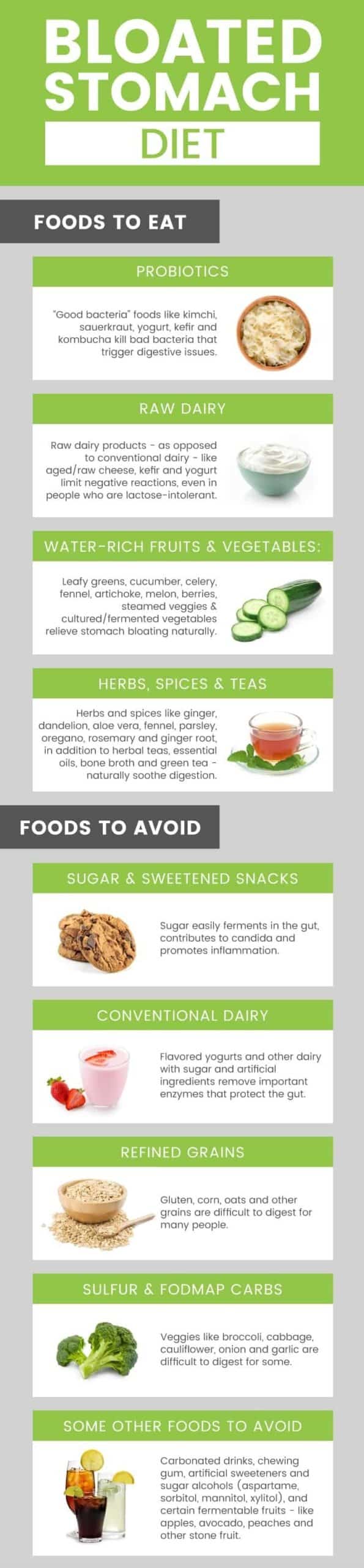
“Good bacteria” called probiotics act like friendly gut bugs in your digestive tract, killing off bad bacteria that can trigger digestive issues and reactions. You can take probiotic supplements, plus acquire them from natural probiotic foods like kimchi, sauerkraut, yogurt, kefir and kombucha.
The edible kelp called kombu also contains digestive enzymes that can help naturally reduce gas.
2. Eat more fiber
One of the most effective ways for how to get rid of bloating is improving your diet, since the foods you eat play a huge part in regulating how much air and poop is trapped inside your digestive tract.
To keep things “flowing” smoothly, you want to make sure to eat a high-fiber diet, aiming for about 25 to 30 grams every day or even more.
3. Eat water-rich fruits and veggies
Veggies and fruits that provide water (aka hydrating foods), key electrolytes and beneficial enzymes are your best friends when it comes to relieving stomach bloating naturally.
Try eating more raw or cooked leafy greens, cucumber, celery, fennel, artichoke, melon, berries, steamed veggies and cultured/fermented vegetables.
4. Consume herbs, spices and teas
Natural digestion-soothing herbs like ginger, dandelion, aloe vera and fennel have been used for thousands of years to soothe an uncomfortable belly.
Many herbs act like diuretics and help the body release extra fluid, while some, like ginger, can also help the digestive system release its contents and relax the muscles in the gastrointestinal tract. This helps relieve constipation.
Try eating fresh-ground herbs of all kinds (parsley, oregano, rosemary, etc.), fresh peeled ginger root, along with aloe vera juice and herbal teas. Don’t forget that bone broth and green tea are also anti-inflammatory and great choices for promoting gut health.
5. Drink enough water
What relieves bloating fast? One way to relieve discomfort quickly is to drink water if you’re dehydrated.
Fluids also help make sure fiber can do its job correctly.
There’s no magic number that is going to be the right amount for you, but start by having at least six to eight glasses a day. Staying hydrated is essential if you’re looking for how to get rid of bloating, but when it comes to beverage choices, choose wisely.
Your best bet is plain water, water infused with fresh fruit slices or herbs (like lemon, grapefruit, basil, etc.), or herbal tea.
6. Avoid these bloating foods and drinks
Now that you know what you should eat, let’s look at some of the foods that might make your bloating even worse. More often than not, some of these foods might be the culprit:
- Sugar and sweetened snacks: Sugar easily ferments in the gut, can contribute to candida overgrowth and promotes inflammation.
- Most dairy products: These include flavored yogurts with sugar and artificial ingredients, along with other kinds since modern-day manufacturing processes can remove important enzymes in dairy.
- Refined grains and grain products: Gluten is difficult to digest for many people, and so are corn, oats and other grains in some cases.
- In some cases difficult-to-digest veggies like broccoli, cabbage, cauliflower, onion and even garlic: These contain sulfur and certain types of FODMAP carbohydrates.
- Beans and legumes, which can promote gas
- Carbonated drinks, including soda
- Chewing gum
- In some cases, certain types of fermentable fruit, including apples, peaches/other stone fruit and avocados, can cause bloating.
- Artificial sweeteners and sugar alcohols: These include aspartame, sorbitol, mannitol and xylitol.
7. Get some exercise
Being active helps your digestive system function optimally, since it can fight constipation, keep circulation moving and move lymphatic fluid throughout your body. It essentially helps you “detox.”
Try to get the most benefits from exercise by doing something active most days of the week for at least 30 to 60 minutes. And skip the sugary sports drinks afterward!
Wondering if your workout can ever make you more bloated? In some cases it can, especially if you overdo it.
Overtraining causes the body to go into a stressful state. This causes the adrenal glands to release more of the stress hormone cortisol.
Make sure your exercise routine supports your overall health and makes you feel better, not the opposite, causing disturbed fluid levels, poor digestion and added stress.
8. Reduce stress
Ever notice how when you’re nervous, tired, sad or overwhelmed, your digestion is a total mess?
Stress and anxiety impact digestion in a big way. That’s because your gut and your brain communicate very closely via the vagus nerve, aka your “gut-brain connection.”
Within the lining of your gastrointestinal tract lives a network of circuitry tissue that communicates via hormonal and chemical messages to your central nervous system, called the enteric nervous system (ENS). Your brain triggers the ENS to produce enzymes, saliva and secretions to help with digestion, along with controlling hormones responsible for your appetite.
Being anxious or sad can cause changes in this line of communication. Your brain then diverts attention away from proper digestion in an effort to conserve energy and use it elsewhere.
High amounts of stress increase cortisol levels. This can alter blood sugar levels and change the way that other hormones are secreted, sometimes causing you to become overly hungry, constipated and to store fluids.
On top of this, being stressed doesn’t make it very easy to eat a healthy diet and instead usually leaves you reaching for comfort foods that commonly trigger bloating. Combine a sluggish metabolism and digestive system with too many heavy foods, and you’ve got a recipe for disaster.
The solution? Do what you can to practice mindful eating and to lower stress however possible, including exercise, meditation, prayer and spending more time doing things you love.
9. Avoid alcohol
Alcohol can irritate the gut lining, cause dehydration and disrupt the balance of beneficial gut bacteria. All of this can worsen bloating so while it might not be the most popular way when it comes to how to get rid of bloating, it certainly can be effective.
10. Consider gut-friendly supplements
While getting as many nutrients as you can from natural whole foods is always the best bet, smart supplementation can help fill in potential nutritional gaps and ensure there are few if any shortfalls. Probiotics, digestive enzymes and magnesium are great options.
Probiotics can help repopulate healthy gut bacteria, while digestive enzymes aid in breaking down hard-to-digest foods, like beans and dairy. Magnesium supports regular bowel movements and reduces water retention.
Those are far from the only effective gut health supplements. Here are some of the best choices, according to research:
- colostrum
- fiber
- collagen
- greens
- L-glutamine
- licorice root
- marshmallow root
- N-acetyl glucosamine
- shilajit
- reishi mushroom
- lion’s mane mushroom
- peppermint oil
- bone broth
- vitamin C
- zinc
- prebiotics
- ginger
- vitamin D
- synbiotics
- postbiotics
- HCL with pepsin
- Manuka honey
- apple cider vinegar
- slippery elm
Other potential ways to find bloating relief
Other potential ways for how to get rid of bloating include:
- Take a walk
- Practice yoga, including the best yoga poses for gut health
- Try peppermint oils or capsules
- Massage the abdomen
- Use soothing essential oils
- Soak in a warm bath to relax the body
- Eat meals at regular intervals (include snacks)
- Reduce salt intake
- Keep a food diary
- Eat smaller portions
- Deep breathing exercises
Persistent or severe bloating should be evaluated by a healthcare professional, especially if it occurs with unexplained weight loss, severe pain, blood in the stool or ongoing digestive symptoms.
Bloating vs. fat: What’s the difference?
Many people confuse bloating with weight gain or belly fat, but bloating and fat are not the same thing.
Bloating:
- Often appears suddenly
- Can fluctuate throughout the day
- Causes tightness or pressure
- Is usually related to digestion or water retention
- May improve after passing gas or having a bowel movement
Body fat:
- Develops gradually over time
- Does not typically fluctuate daily
- Is caused by excess calorie storage
- Feels softer and more consistent
A bloated stomach may look larger temporarily even if body fat has not increased.
Frequently asked questions
What causes bloating?
Bloating often results from trapped gas in the digestive system, commonly caused by eating too fast, swallowing air or consuming foods that are difficult to digest (like beans, cruciferous vegetables or carbonated drinks). Food sensitivities, constipation and gut microbiome imbalances can also play a role.
How can I get rid of bloating fast?
To quickly relieve bloating, try gentle movement (like a short walk), drink warm water or herbal tea, and perform deep breathing exercises. Avoid heavy, salty or carbonated foods, and consider taking a probiotic or digestive enzyme supplement for added relief. These are effective strategies when it comes to how to get rid of bloating.
What foods help reduce bloating?
Foods that help get rid of bloating include cucumber, avocado, banana, ginger, papaya and leafy greens. Fermented foods like yogurt, kefir, sauerkraut and kimchi are also excellent choices because they promote healthy gut bacteria balance.
Should I avoid certain foods when trying to reduce bloating?
Yes, it’s best to limit foods that tend to cause gas and discomfort, such as beans, onions, cruciferous vegetables (like broccoli and cabbage), artificial sweeteners and carbonated beverages. Dairy and gluten can also trigger bloating in people with sensitivities. In fact, removing trigger foods is one of the most effective strategies for how to get rid of bloating.
Can supplements help get rid of bloating?
Yes. Probiotics, digestive enzymes and magnesium are among the most effective supplements for reducing bloating. They work by improving digestion, promoting regularity and supporting a healthy gut environment.
When should I see a doctor about bloating?
If bloating persists for more than a few weeks or is accompanied by severe pain, unintended weight loss or changes in bowel habits, consult a healthcare professional. Chronic bloating can sometimes signal an underlying issue, such as IBS, SIBO or food intolerances.
Why am I so bloated after eating?
You may feel bloated after eating because food is fermenting in the digestive tract, causing gas buildup and abdominal pressure. Eating too quickly, overeating and consuming processed foods can worsen bloating.
How do I debloat overnight?
To debloat overnight, avoid heavy meals before bed, stay hydrated, reduce sodium intake, and support digestion with probiotics or herbal teas.
Is bloating normal?
Occasional bloating is common, but chronic bloating may indicate food sensitivities, digestive disorders or gut imbalances that should be addressed.
What foods cause bloating?
Common bloating triggers include processed foods, dairy, beans, carbonated drinks, sugar alcohols and certain high-FODMAP foods.
What helps with bloating?
The best remedies for bloating usually focus on improving digestion and reducing inflammation in the gut.
What helps with bloating may include:
- Probiotic foods
- Fiber-rich foods
- Ginger
- Peppermint tea
- Magnesium
- Hydration
- Exercise
- Digestive enzymes
- Reducing processed foods
- Managing stress
Because bloating has many potential causes, the most effective treatment depends on what is triggering the bloating in the first place.
Key takeaways
- Bloating is most often temporary and caused by air becoming stuck around your abdomen, making it distend outward.
- In many cases, the causes can include inadequate protein digestion, inability to break down sugar and carbohydrates fully, imbalances in gut bacteria, stress, and hormonal issues. Some medications and underlying conditions can also cause bloating, including IBS, allergies and inflammatory bowel disease.
- How do I debloat my stomach? One of the most effective bloated stomach relief options is improving your diet. Make sure to eat a high-fiber diet, aiming for about 25 to 30 grams every day or even more, and drink plenty of water/fluids.
- Exercising, discussing medication use with your doctor and managing stress can also help, and there are other options for how to get rid of bloating in the short term, such as taking a walk, massaging the abdomen and more.
Conclusion
Bloating is extremely common, but chronic bloating should not be ignored. Whether you’re dealing with a bloated stomach after meals, occasional digestive discomfort or persistent abdominal bloating, improving gut health and digestion can often provide significant relief.
If you’re wondering how to get rid of bloating naturally, focus on identifying food triggers, supporting your microbiome, staying hydrated and reducing inflammation. These strategies can help reduce bloating, improve digestion and support long-term gut health.