
Advertisement
Herbs & Spices · Herbs
What marigold is, why calendula and the Tagetes garden marigolds are different plants, what each one does for your skin, mouth and eyes, how to use the petals, 10 homemade recipes and uses, and its side effects.

Weighting: Evidence 30% · Traditional Medicine 25% · Clinical Effectiveness 25% · Safety 20% (5.0×0.30 + 8.8×0.25 + 6.4×0.25 + 8.6×0.20 = 1.50 + 2.20 + 1.60 + 1.72 = 7.02, shown as 7.0). Interactions are rated separately and don't change the score. How we score
Interaction check: Low. Europe's medicines regulator reports no interactions with medicines for calendula.3
Sedatives (for example, clonazepam). Older guides warn that calendula taken by mouth could add to sedatives, a caution that traces back to a single 1964 report on calendula's sedative and blood-pressure-lowering effects, so if you take a sedative or sleep medicine, use calendula on your skin and as a gargle, and check with your doctor before drinking it as a tea.521
Interactions are rated separately and don't change the score.
The 30 healing herbs and 20 essential oils I trust most, each with its five best uses ranked by research, exactly how to take it, how it works, its Traditional Chinese Medicine profile, and when to be careful.
Free with your Dr. Axe account
View the protocol →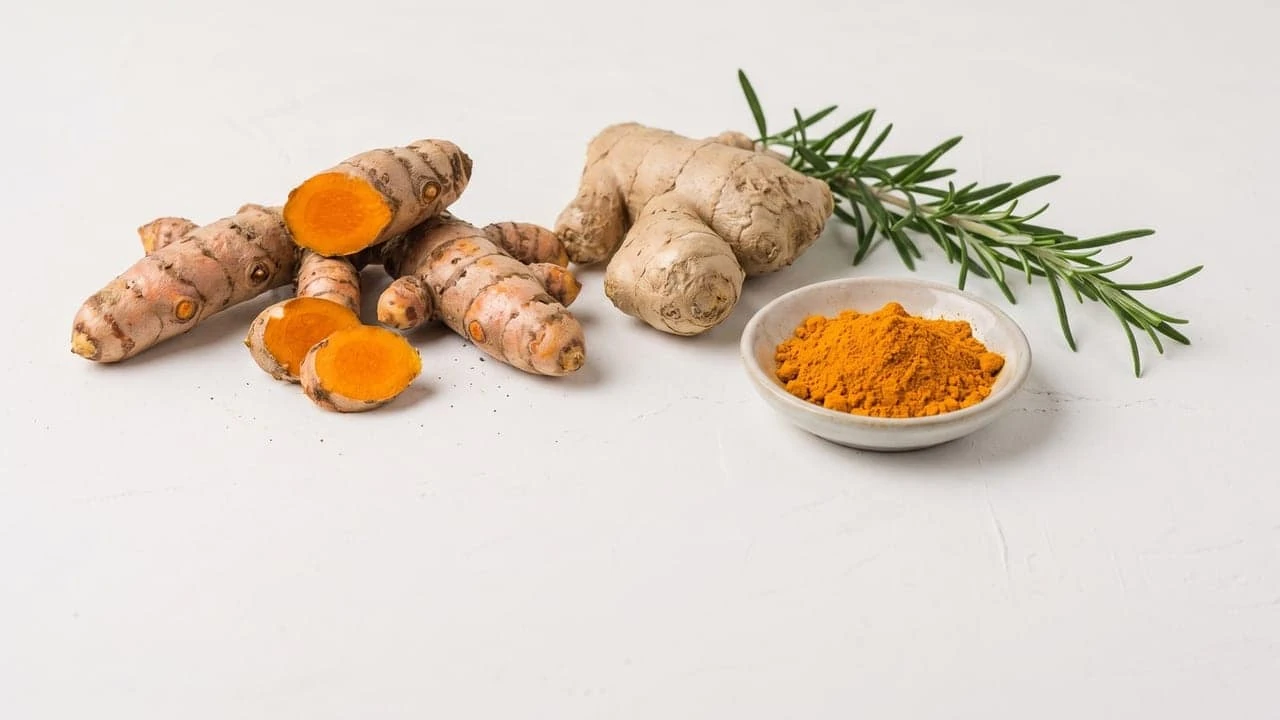
What's your biggest goal right now?
Marigold is the name for two golden flowers in the daisy family: pot marigold, or calendula, a skin and wound healer used since at least the 12th century, and the Tagetes marigolds of the Americas, whose petals are the main source of the lutein in eye supplements.12
Two golden flowers share the name marigold, and each does a different job for your body: pot marigold, or calendula, has been put on wounds and irritated skin since at least the 12th century, and the petals of the Tagetes marigolds of the Americas supply the lutein in most eye supplements.12 I group calendula with burdock root, goji and fo-ti as herbs for the skin and lymph, and I've used it in skin blends, from tallow balms for patients with very dry skin to the manuka honey blend I put on my own surgical scar.91011
Your skin heals from the inside out, so when it keeps flaring, the root cause usually sits deeper, in the liver or the gut.12 Eczema, rosacea, acne and psoriasis are skin issues I connect to leaky gut,13 so calendula calms the surface and helps the skin close and repair, while the deeper healing comes from looking after your gut and liver. The golden pigment in Tagetes petals does a similar protective job for your eyes, where it builds up in the macula and helps shield it from blue light,79 so the marigold you reach for depends on the job: calendula for your skin, mouth and gums, and lutein from Tagetes petals for your eyes.
Calendula pairs naturally with skin-healing oils such as lavender and helichrysum, and both oils have a full profile in my free field guide.14 It lays out:
Free with your Dr. Axe account (email or Google). You'll also get the protocol's short email series and the Dr. Axe newsletter; unsubscribe anytime.
Open the free guide →Did you know?
Cempasúchil, the Nahuatl name for the Aztec marigold, joins the words for “twenty” and “flower.”15
Calendula petals are on the FDA's list of spices generally recognized as safe, under the name “Marigold, pot.”16
Ground Aztec marigold petals and their extract are an FDA-listed color additive for chicken feed, used to make chicken skin and egg yolks a deeper yellow.17
Marigolds are flowering plants in the daisy family, Asteraceae, and the name covers two different genera: pot marigold, Calendula officinalis, the medicinal marigold of European herbal medicine, and the Tagetes marigolds of the Americas, including the African or Aztec marigold, Tagetes erecta, which is native to Mexico.115 Calendula's flowers are the ones used on skin and wounds, and Tagetes erecta petals are the main commercial source of lutein.32
Both plants are sold as marigolds, and both have golden flowers, but they belong to different genera. Pot marigold, or calendula, is the one herbalists dry for ointments, oils, rinses and teas.1 The African or Aztec marigold, Tagetes erecta, is the one whose lutein-rich petals are dried and extracted for supplements and for chicken feed that deepens the color of egg yolks.21817 If you've seen Mexico glowing orange at the start of November, you've seen Tagetes erecta too: as cempasúchil, it's the flower of Día de Muertos on November 1 and 2, and the same flower is strung into garlands for Diwali in India.15
The two plants differ in their chemistry and in their research, so check which marigold you're holding before you use it:
| Marigold | Botanical name | Part used | Main uses |
|---|---|---|---|
Pot marigold (calendula) | Calendula officinalis | Flower heads and petals | Skin, minor wounds, mouth and throat; a traditional tea for the stomach31 |
African or Aztec marigold (cempasúchil) | Tagetes erecta | Petals; leaves in Indian and Mexican tradition | |
French marigold | Tagetes patula | Plant preparations; roots in the garden | Bunion preparations; protecting vegetable beds from root-knot nematodes1920 |
Mexican mint marigold | Tagetes lucida | The plant, as a tea or tincture | A calming tea in Mexican traditional medicine21 |
Calendula's use on the skin goes back at least to Hildegard von Bingen, the 12th-century German abbess and healer, and its flowers and ointments have stayed in medical use ever since.1 In 1986, Germany's Commission E, the country's expert panel on herbal medicines, approved calendula flowers as a rinse for an inflamed mouth and throat and on the skin for wounds, including ones slow to heal, and for leg ulcers.1 ESCOP, the European herbal medicine cooperative, followed in 2003, and Europe's medicines regulator has listed calendula as a traditional herbal medicine since 2009, most recently in its 2018 monograph, for minor skin inflammation such as sunburn, for minor wounds, and for minor inflammation in the mouth and throat.13 Calendula tea was also sold in the Czech Republic for minor stomach irritation and stomach cramps.1
In Mesoamerica, the Aztec marigold, cempasúchil, held ritual and medicinal importance and was linked to Tláloc, the rain god, and the Spanish physician Francisco Hernández recorded it for a "cold stomach," gas, sweating, fevers and bringing on urination and menstruation.15 On Mexico's Purépecha plateau, people still apply an infusion of its flowers and leaves to wounds and rashes, and in parts of India, its leaves are used on wounds in livestock and for ear pain.15 When chemists later found lutein in its petals, the flower took on a new role in eye health.15 Healers in Europe and in the Americas each turned to a golden marigold for the skin, and the lab and clinical research below is starting to show why those choices have lasted.
Marigold petals are rich in carotenoids, the golden pigments lutein and zeaxanthin: carotenoids make up as much as 4.7% of dried calendula flowers, and in a commercial Aztec marigold extract, 88% of the pigments were lutein and lutein esters.118 Calendula petals are also a recognized spice you can eat, and Aztec marigold petals are used to color chicken feed and egg yolks.1617
That golden color is the plant's own protection, and it's also the reason marigold petals end up in your medicine cabinet, your supplement bottle and even your kitchen. Here's what Europe's medicines regulator lists in dried calendula flowers:1
| Compound in calendula flowers | Amount | What it is |
|---|---|---|
Triterpene saponins | 2% to 10% | Soap-like compounds built on oleanolic acid |
Triterpene alcohols | About 4% diols, mostly faradiol esters, plus about 0.8% monols | Resin-like compounds; faradiol eased swelling in mouse tests22 |
Carotenoids | Up to 4.7%, with lutein and zeaxanthin making up as much as 92% of them | The golden pigments |
Water-soluble polysaccharides | Up to 15% | Plant sugars that dissolve in water |
Flavonoids | 0.3% to 0.8% | Glycosides of isorhamnetin and quercetin |
Volatile oil | 0.2% to 0.3% | Mostly sesquiterpenes |
The Aztec marigold's golden pigments are almost all lutein: in an analysis of a commercial Tagetes erecta extract sold as a supplement ingredient, 88% of the pigments were lutein and lutein esters and 5% were zeaxanthin,18 which is why marigold flowers are the main source of the lutein sold for eye health.2 Those same pigments explain the egg yolks: the FDA lists dried, ground Aztec marigold petals and their extract as a color additive for chicken feed, "used to enhance the yellow color of chicken skin and eggs."17
Calendula petals are edible. The FDA lists pot marigold among the spices and natural seasonings generally recognized as safe,16 so you can pull the fresh petals from the flower head and scatter them over salads, rice, scrambled eggs or soup for color. Choose flowers you grew yourself or that were grown for eating, without pesticides, and see our guide to edible flowers for more ideas.
Calendula is used to help minor wounds, scars, burns and leg ulcers heal, to soothe dry or irritated skin, sunburn and diaper rash, and as a rinse for sore gums and an irritated throat, while lutein from Tagetes petals supports the protective pigment in your eyes.34237 Calendula tea is a traditional remedy for an irritated stomach and cramps, French marigold has been tested for bunions, and Tagetes roots help protect garden soil from pests.11920
Calendula's best-studied uses are on the skin and the linings of the body: in trials in people, it sped the healing of hand wounds and leg ulcers, left fewer diaper-rash sites than aloe cream, lowered gum inflammation, and cleared more vaginal yeast infections than clotrimazole at a month.4235624 The eye benefit belongs to lutein, the pigment taken from Tagetes petals, which raised the protective pigment in the eye at 5 mg or more a day in a review of 46 studies.7 Its stomach and calming uses rest on long traditional use and lab studies.12521
| Use | Which marigold | Evidence | What the research shows |
|---|---|---|---|
Minor wounds and scars | Calendula extract or ointment | Emerging | Hand wounds closed in 8.6 days, against 13.2 with mineral oil4 |
Slow-healing leg ulcers | Calendula ointment or spray | Emerging | Total ulcer area shrank 41.71% in 3 weeks, against 14.52% with saline dressings23 |
Diaper rash | 1.5% calendula ointment | Emerging | Fewer rash sites than aloe vera cream in 66 infants5 |
Dry, irritated skin and sunburn | Calendula cream | Emerging | Better skin hydration and faster barrier repair in 20 volunteers; recognized in Europe for sunburn263 |
Skin during radiation | Calendula ointment | Mixed | Fewer moderate-to-severe skin reactions than trolamine in 254 women; later trials against plain creams found no difference272829 |
Macular pigment | Lutein from Tagetes petals | Moderate | Raised the eye's protective pigment at 5 mg or more a day in a review of 46 studies7 |
Gums and mouth | Calendula tincture rinse | Emerging | Less plaque, gum inflammation and bleeding over 6 months in 240 adults6 |
Vaginal yeast and bacterial vaginosis | Calendula vaginal cream | Emerging | Yeast infection: 49% against 74% clear with clotrimazole at 10 to 15 days, then 77% against 34% at 30 to 35 days24 |
Ear pain | Calendula in an herbal oil blend | Emerging | Eased ear pain in 103 children, with no difference from anesthetic drops30 |
Bunions | French marigold preparations | Emerging | Less bunion pain and swelling in 60 patients19 |
Sore skin around hemorrhoids | Calendula ointment | Traditional | Listed in a German herbal handbook for perianal eczema1 |
Bruises, sprains and swollen glands | Calendula compress | Traditional | Listed in British and German herbal handbooks, along with acne and painful periods1 |
An irritated stomach and cramps | Calendula tea | Traditional | A registered herbal tea in the Czech Republic; relaxed gut muscle in lab tests125 |
Calm nerves | Mexican mint marigold tea | Traditional | Used by healers in Morelos, Mexico; calming in mouse studies21 |
Garden pests | Tagetes roots | Preclinical | A root compound kills root-knot nematodes in lab tests20 |
Marigold works in two ways: calendula's resins, flavonoids and pigments calm inflammation and draw repair cells into a wound so the skin closes sooner, and lutein from Tagetes petals travels through your blood to the center of your retina, where it builds a yellow, light-filtering pigment.131427
Plants can't run from danger, so they make chemistry instead, thousands of compounds that defend them against microbes, sun, insects and stress, and many of those compounds act on the same pathways in your own cells.14 A marigold soaks up sun all season, and the resins and golden pigments it makes to protect itself are the same ones that go to work on your skin. When you put calendula on a scrape, that work unfolds in a few stages:
Calendula flowers carry resin-like triterpenes such as faradiol esters, flavonoids and golden carotenoids, mostly lutein and zeaxanthin, that protect the plant.1
In mice, faradiol eased ear swelling as much as an equal dose of the anti-inflammatory drug indomethacin, and in rodents, a calendula flower extract lowered the inflammatory messengers TNF-α and IL-6 and the blood marker CRP.2232
In lab tests, calendula extracts drew skin-building fibroblasts into a scratch, raising their numbers by 64% to 71%, and in rats, treated wounds were 90% closed by day 8, against 51% without it.3133
One of the things I learned very early in my career in functional medicine is that sometimes the area where you have the problem isn't the real problem. That's not where it's starting. That's just where it's showing up.Dr. Josh Axe, DC, DNM, CNSFrom 3 EASY Skincare Swaps That Lower Toxins FAST (in 3 days!), The Dr. Josh Axe Show (2026)
That last step is where my approach to skin starts: when the skin keeps flaring, I look at the liver, the gut and sometimes the adrenals, the organs I think affect the skin the most.10 A rash or a patch of eczema is often where an inflamed gut or a sluggish liver shows up, and that's why a liver cleanse and gut repair belong alongside anything you put on your skin.1213
The eye side of marigold follows the same food-as-medicine logic. Lutein works from the inside: it travels from your gut into your blood, and from there it builds up in the macula, the small spot at the center of your retina that handles sharp, detailed vision, as a yellow pigment that filters light.27 That's why the lutein you eat, or take from a marigold-sourced supplement, adds to the protection your eyes already make.
Marigold's best-supported benefits come from calendula on the skin and in the mouth: it helps wounds and scars heal, closes stubborn leg ulcers, calms diaper rash and dry, irritated skin, and keeps gums healthier, and calendula vaginal cream helps restore vaginal balance. From the Tagetes side, lutein from the petals protects your eyes.
Calendula helps minor wounds close faster and calms the skin around them, and Europe's medicines regulator recognizes it as an aid in healing minor wounds.3 In a randomized trial of 40 adults with skin-loss wounds of the hand and fingers, new skin covered the wounds in 8.6 days with a standardized calendula extract, against 13.2 days with mineral oil.4 The wounds section covers burns, healing after childbirth and scar care.
Study takeaway: skin covered hand wounds in 8.6 days with calendula, against 13.2 days with mineral oil.
Calendula helps slow-healing leg ulcers close, a use Germany's Commission E listed in 1986.1 In a controlled study of 34 adults with venous leg ulcers, which wasn't randomized, an ointment made with calendula flower extract and applied twice a day for 3 weeks shrank the total ulcer area by 41.71%, against 14.52% with saline dressings, and 7 patients healed completely, against 4.23 In a second controlled study of 57 adults, with a co-author from the extract's maker, 72% of those treated with a calendula extract spray healed completely over 30 weeks, against 32% with standard care, and no one had a side effect from the calendula.34
Study takeaway: 72% of people treated with a calendula spray saw their leg ulcers heal completely, against 32% with standard care.
A calendula ointment soothes a red, sore diaper area and is gentle enough for babies. In a randomized trial of 66 infants under 3, a 1.5% calendula ointment applied three times a day for 10 days left significantly fewer rash sites than aloe vera cream, and neither caused side effects.5 In a randomized trial of 100 infants, 52% of the babies using calendula cream were completely clear within 3 days, as were 86% of those using a bentonite clay cream,35 and a trial in 76 children under 2 found no difference between 1.5% calendula and 1.5% olive ointments.36 Along with the diaper rash remedies that keep the area clean and dry, a thin layer of calendula ointment three times a day is the routine those trials used.
Study takeaway: a 1.5% calendula ointment left fewer diaper-rash sites than aloe vera cream in 66 infants.
Calendula helps dry, irritated skin hold on to water and repair its barrier, and Europe recognizes it for minor skin inflammation such as sunburn.3 In a randomized trial of 20 healthy volunteers whose forearm skin was irritated on purpose, an emollient cream with 1% calendula extract left the skin better hydrated than both untreated skin and the plain cream on day 4, with the gain still there on day 8, and water loss through the skin was lower than on untreated skin by day 3, a sign of faster barrier repair.26 In an earlier irritation test in healthy volunteers, marigold creams protected the skin when they were applied during the irritant exposure.37 For patients with cracked heels, I had them use a mixture of beef tallow with beeswax because it hydrated much better than anything else, and I loved combining tallow with essential oils such as lavender to bring even more healing to the skin, a kind of balm where calendula-infused oil fits well.10 Our guide to beef tallow for skin explains why tallow works so well, and the balm in the recipes below puts the two together.
Lutein, the golden pigment taken from Aztec marigold petals, builds up in the center of your retina and helps shield it from blue light.29 In a randomized trial of 24 healthy adults, 6 mg a day of lutein from marigold extract more than doubled blood lutein within 15 days,2 and in AREDS2, a large randomized trial of older adults, people taking lutein and zeaxanthin had an 18% lower risk of late macular degeneration than those taking beta-carotene, in exploratory analyses.38 The eye section covers how much to take and the foods to eat first.
Study takeaway: 6 mg a day of lutein from marigold extract more than doubled blood lutein within 15 days.
A calendula mouth rinse keeps gums healthier, a use Europe recognizes for minor inflammation of the mouth and throat.3 In a 6-month randomized trial of 240 adults with gingivitis, plaque, gum inflammation and bleeding gums improved significantly only in the group rinsing twice a day with 2 ml of calendula tincture in 6 ml of water, and after a professional cleaning at 3 months, those scores kept falling further on calendula than on the plain-water rinse.6 A cooled calendula infusion makes the same kind of rinse at home.
Study takeaway: a twice-daily calendula rinse lowered plaque, gum inflammation and bleeding over 6 months.
Calendula vaginal cream helps clear yeast and bacterial infections and calms the itching and burning that come with them. In a randomized trial of 150 women with a vaginal yeast infection, 5 g of calendula cream at night for 7 nights cleared fewer infections than clotrimazole cream at 10 to 15 days, 49% against 74% testing negative, but more by 30 to 35 days, 77% against 34%, when symptoms were also lower on calendula.24 In a randomized trial of 80 women with bacterial vaginosis, in which neither the women nor the researchers knew who used which cream, every woman in both the calendula and the metronidazole groups was free of symptoms a week after treatment, and none had side effects.39
Study takeaway: 77% of women were clear of yeast at 30 to 35 days with calendula cream, against 34% with clotrimazole.
Calendula helps minor wounds close faster and calms the skin around them: in a randomized trial of 40 adults with hand wounds, skin closed over in 8.6 days with a calendula extract, against 13.2 days with mineral oil, and Europe's medicines regulator recognizes calendula as an aid in healing minor wounds.43 Apply a cream or ointment with an extract equal to 2% to 10% dried flower, or a compress soaked in calendula infusion, 2 to 4 times a day.3
A scrape heals the way a crew rebuilds a damaged road: first the inflammation calms and the site is cleared, then fibroblasts move in to lay down new tissue, and finally fresh skin grows across the gap. In lab and animal studies, calendula works on each of those stages, as the step diagram above shows, and a 2019 systematic review of 7 clinical and 7 animal studies found that calendula sped the early, inflammatory stage of fresh wounds and built more granulation tissue, the new tissue that fills a wound, with mixed results in burns and one diabetic leg ulcer trial that found no improvement.40 That fits its long use on cuts and sores, and Commission E included even wounds that are slow to heal.1
The hand-wound trial came from a university hospital in Curitiba, Brazil, and its wounds were the kind left to heal on their own without stitches. With 19 wounds measured in each group, the calendula-treated wounds also shrank faster every day, by 9.5% of their area against 6.2% with mineral oil.4 Calendula helps healing after childbirth too: in a randomized trial of 100 women who had an episiotomy, those who used calendula ointment every 8 hours for 10 days had significantly less pain from day 2 onward than those given standard care, along with less redness and swelling.41
Calendula has also helped from the inside: in a randomized trial of 60 adults in a hospital burn ward, people took a 2 g calendula capsule or a placebo each day for 2 weeks alongside their usual burn care, and on a wound scale where lower scores mean better healing, scores fell from 48.23 to 22.97 on calendula, against 48.90 to 37.8 on placebo.42
Years ago I had surgery to repair a torn tendon in my ankle, and calendula was part of how I cared for the incision.11
I did this blend of manuka honey, calendula and certain essential oils like helichrysum, and there's really almost no remains of scarring.Dr. Josh Axe, DC, DNM, CNSFrom What Happens In Your Body If You Eat Honey Every Day?, The Dr. Josh Axe Show (2025)
Skin heals best at the right moisture level: if it gets too dry, it doesn't heal as well, and if it stays too wet, it takes longer to heal.11 Once my incision sealed, I kept tallow and manuka honey on it, and that's the step most people cut short: they don't keep a scar moist long enough, and sometimes that means keeping it up for three months.10 Our guide to essential oils for scars covers helichrysum and the other oils that pair well with calendula.
For a fresh scrape or sunburn relief, rinse the skin clean, then apply a thin layer of calendula ointment or cream with an extract equal to 2% to 10% dried flower, or lay on a cloth soaked in cooled calendula infusion, 2 to 4 times a day.3 Our wound care guide covers the rest of home care, and the safety section lists the wounds that need a doctor's look. Between applications, keep the area lightly covered so it stays moist while new skin forms.
Marigold helps your eyes through lutein: Aztec marigold petals are the main commercial source of it, and in a randomized trial of 24 healthy adults, 6 mg a day of lutein from marigold extract more than doubled blood lutein within 15 days.2 Lutein and zeaxanthin build up in the macula, the center of your retina, and across 46 studies, 5 mg or more of them a day raised the eye's protective pigment.7
The center of your retina, the macula, is tinted yellow by lutein and zeaxanthin, pigments that come from your food.7 I think of carotenoids such as lutein and zeaxanthin as natural sunglasses and armor for your cells: they concentrate in the retina and help shield your eyes from oxidative stress and the blue light from screens.9 Our guide to macular carotenoids explains how that yellow layer works.
Marigold petals are where supplement lutein mostly comes from. In a publicly funded randomized trial in Spain, 24 healthy adults took 6 mg of lutein a day from marigold extract for two months in its free form and two months as lutein esters, so each person tried both. Average blood lutein rose from 0.37 to 0.85 µmol/L within 15 days and was still 0.90 at day 60, zeaxanthin rose too, and there was no difference between the two forms at any point.2
Lutein from marigold petals more than doubled blood levels in 15 days
That blood lutein travels to your eyes. In a 2021 review of 46 studies in 3,189 adults with healthy eyes, the eye's macular pigment rose by 0.04 units on 5 to under 20 mg of lutein and zeaxanthin a day, and by 0.11 units on 20 mg or more.7 In AREDS2, a randomized trial of 4,203 adults aged 50 to 85 at risk of advanced macular degeneration, people taking 10 mg of lutein with 2 mg of zeaxanthin a day for a median of 5 years had a 10% lower risk of reaching late macular degeneration than those who didn't take them, and an 18% lower risk when compared directly with beta-carotene, in exploratory analyses; the trial's main analysis didn't reach statistical significance.838 After 10 years of follow-up in 3,882 of the participants, the risk was still 9% lower in the lutein and zeaxanthin group.43 In a 12-month placebo-controlled trial of 90 veterans with dry macular degeneration, 10 mg of lutein a day raised macular pigment and sharpened vision by 5.4 letters on an eye chart, while the placebo group didn't change.44
If your days run on screens, lutein can ease the strain on your eyes as well as build macular pigment. In a 6-month placebo-controlled trial of 48 young adults with at least 6 hours of daily screen time, 24 mg a day of lutein, zeaxanthin and meso-zeaxanthin improved macular pigment, sleep quality, headaches, eye strain and eye fatigue; its first author consults for the supplement's maker.45 In a randomized, placebo-controlled trial of 60 adults with 8 or more hours of daily screen time who finished it, 10 mg of lutein with 2 mg of zeaxanthin from marigold flowers, twice a day, roughly doubled macular pigment and improved contrast sensitivity and sleep. One group took the supplement for all 8 months and two took it for 4 months and a placebo for 4 months, and 7 of the study's 9 authors work for the ingredient's maker.46
My philosophy has always been to use food as medicine first, so start with what you eat.47 Carotenoids are the pigments that color leafy greens, carrots, tomatoes and peppers,9 so a plate built around leafy greens such as kale feeds your macula every day, and our guide to lutein lists the richest food sources. If you add a supplement, look for lutein from marigold paired with zeaxanthin. The AREDS2 and veterans' trials used 10 mg of lutein a day, and AREDS2 added 2 mg of zeaxanthin.844 Lutein is a fat-soluble pigment, so take it with a meal that contains some fat.
Beyond wounds, skin, gums and eyes, marigold has a handful of other uses people still rely on, from comfort during radiation treatment to a child's earache and the vegetable garden.
Radiation for breast cancer often leaves the treated skin red and sore, and calendula ointment is used to soothe it through treatment. In a randomized trial in France of 254 women having radiation after breast cancer surgery, 126 used a calendula ointment, made from the whole flowering plant above ground, and 128 used trolamine, a standard after-radiation cream. Grade 2 or higher skin reactions developed in 41% of the calendula group, against 63% on trolamine, and the calendula group had less radiation pain and fewer breaks in treatment.271
Fewer moderate-to-severe radiation skin reactions with calendula ointment
In a randomized trial of 51 people having radiation for head and neck cancer, moderate (grade 2) skin reactions were also less common with calendula than with an essential fatty acid lotion.48 Results have differed with what calendula was compared against: when later randomized trials compared it with plain moisturizing creams in 420 and 82 women, they found no difference between them, and a 2023 meta-analysis of natural skin agents found no significant effect for calendula when the trials were combined.282949 The same gentle action reaches the mouth: in a randomized trial of 40 people having radiation for head and neck cancer, a 2% calendula mouthwash kept mouth sores milder than a placebo rinse at weeks 2, 3 and 6.50
For a child's earache, calendula goes into a classic herbal ear oil alongside garlic, mullein and St. John's wort in olive oil. In a randomized trial of 103 children aged 6 to 18 with ear pain from a middle ear infection, the herbal drops and anesthetic ear drops both eased pain over 3 days, and the researchers concluded the herbal drops were as effective as the anesthetic ones.30 In a follow-up trial of 171 children aged 5 to 18, in which the oil also carried lavender and vitamin E and was given as 5 drops 3 times a day, every group improved, the herbal drops did better than the anesthetic drops, and drops alone did better than drops with amoxicillin.51 Because about 80% of the pain eased with time and the antibiotic added nothing, the researchers concluded that the main goal of treatment should be to ease the ear pain, and that's the job this herbal oil does well.51
A German herbal handbook lists calendula on the skin for perianal eczema and proctitis, inflammation of the skin around the anus and of the rectal lining, alongside its recognized use for minor skin inflammation.13 To use it, wash and pat the area dry, then smooth on a thin layer of calendula ointment, and our guide to how to get rid of hemorrhoids covers the fiber, water and other steps that heal them from the inside.
Herbal handbooks in Britain and Germany also list calendula on the skin for sprains and bruises, swollen or inflamed lymph nodes and acne, and by mouth for painful periods, uses they base on long experience and tradition.1 The lymph use fits the skin-and-lymph role I give calendula alongside burdock root.9 For a bruise or a sore, swollen spot, lay on a cloth soaked in cooled calendula infusion, the compress those handbooks describe, 2 to 4 times a day.13
French marigold can ease bunions, too: in an 8-week placebo-controlled trial of 60 patients with bunions, Tagetes patula preparations used with a protective pad reduced both the width of the bunion and its pain.19 To follow what that trial tested, use the marigold preparation together with a protective bunion pad.19
Gardeners plant marigolds among their vegetables because the roots of Tagetes marigolds release alpha-terthienyl, a compound used to suppress the nematodes that attack plant roots, and in lab tests it killed the larvae of root-knot nematodes, working even in the dark and far more strongly after exposure to light.20 Tuck a row of French or African marigolds around your tomatoes and other vegetables, and enjoy the color while they work in the soil.
Pick the marigold for the job: calendula creams or ointments with an extract equal to 2% to 10% dried flower for your skin, a compress or gargle made from 1 to 2 g of dried calendula flowers in 150 ml of hot water, 2 to 4 times a day, and lutein from Tagetes petals for your eyes.3 In the eye trials, 10 mg of lutein a day, with 2 mg of zeaxanthin in AREDS2, was the studied amount.844
The amounts below come from Europe's herbal monograph and the trials on this page, matched to each use:
| Use | Form | How much and how often |
|---|---|---|
Minor wounds, scrapes and sunburn | Calendula cream or ointment with an extract equal to 2% to 10% dried flower | A thin layer 2 to 4 times a day3 |
Skin compress | Infusion of 1 to 2 g dried calendula flowers in 150 ml (about ⅔ cup) hot water | Soak a cloth, apply for 30 to 60 minutes, 2 to 4 times a day3 |
Mouth and throat | The same infusion, still warm, as a rinse or gargle | 2 to 4 times a day, then spit it out3 |
Gums | 2 ml calendula tincture in 6 ml water | Rinse morning and evening, as in the gingivitis trial6 |
Diaper rash | 1.5% calendula ointment | 3 times a day, as in the infant trial5 |
An irritated stomach (traditional) | Tea of 1 teaspoon dried calendula flowers in 250 ml (about 1 cup) boiling water | 3 to 4 times a day1 |
Eyes | Lutein from Tagetes petals, with zeaxanthin |
Try any new calendula product on a small patch of skin inside your arm first, and look at it again the next day. Store dried flowers in a sealed glass jar in a cool, dark cupboard, where they keep their color, and replace them when they fade.
Dried calendula flowers are one of the handiest things in a homemade medicine cabinet. Steep them into a compress or gargle, infuse them in olive oil or coconut oil for skin oil, melt that oil with beeswax and tallow into a balm, brew them into tea, or crumble the petals over food. Europe's monograph recognizes a calendula oil made at 1 part flowers to 10 parts olive oil,3 and the recipes below show you how to make it and what to do with it.
Calendula tea is the traditional internal use. In the Czech Republic it was sold as a registered herbal tea for minor stomach irritation and stomach cramps, at 1 teaspoon of dried flowers in 250 ml of boiling water, 3 to 4 times a day, and a German herbal handbook lists it for gastritis and gallbladder inflammation.1 In lab tests on gut tissue, a calendula flower extract relaxed the muscle contractions behind cramping, which the researchers saw as a scientific basis for its traditional use in abdominal cramps.25 In Mexico, the Aztec marigold was taken for a "cold stomach" and gas,15 and Mexican mint marigold tea is still used by healers in Morelos for nervous complaints; in mice, it had calming effects through serotonin and GABA receptors.21 A cup of calendula tea also makes a soothing rinse and gargle for a scratchy throat, and our guide to herbal tea has more blends to try.
Ask Dr. Axe AI. Answers are grounded in this library, with sources shown.
Most of these start with calendula-infused oil, so make a jar of it first. Keep essential oils to about 1 drop per teaspoon of base, about 1%, in anything you leave on your skin, and make small batches in clean, dry jars.
The tea follows the Czech registered tea's amount of 1 teaspoon in 250 ml, 3 to 4 times a day, and the compress follows Europe's monograph.13 Six more ways to put marigold to work:
Daisy-family allergy. Skip calendula if you're allergic to ragweed, chamomile, chrysanthemums, daisies, arnica or other plants in the daisy family, because Europe's regulator lists a daisy-family allergy as a reason not to use it, and people sensitized to these plants can react to calendula products.353 In a skin-allergy clinic, about 2 in 100 people tested reacted to a marigold extract, and nearly half of them also reacted to a daisy-family test mix.54 If a rash, itching or swelling spreads after you use it, stop.3
Tagetes oils and garden plants. Tagetes essential oils can make skin burn in sunlight, so Europe's consumer safety committee limits them to 0.01% in leave-on products and keeps them out of sunscreens,55 and garden Tagetes plants carry their own contact allergens.56 Use calendula, not Tagetes oil, on your skin, and wear gloves for heavy garden work if marigolds make your hands itch.
Pregnancy and breastfeeding. Europe's regulator doesn't recommend calendula during pregnancy or breastfeeding because the safety data are missing, and in rats, a calendula flower extract given late in pregnancy slowed the mothers' weight gain.357 The Aztec marigold was traditionally used to bring on menstruation.15 Skip calendula and Aztec marigold teas, tinctures and herbal extracts while you're pregnant or nursing, and if your prenatal formula contains lutein, confirm the dose with your OB.
Children. Two of the infant diaper-rash trials reported no side effects from calendula ointment,536 while Europe's regulator, for lack of safety studies, doesn't recommend calendula on the skin of children under 6 or as a gargle under 12.1 If you use it on your baby, choose a ready-made ointment like the ones in those trials.
Warning signs. See a doctor for a wound that's deep, large, hot, very red at the edges, oozing or not better within a week, and for a sore mouth or throat that lasts more than a week.31 See a doctor, too, for ear pain with fever, discharge or a change in hearing, and for any sudden change in your vision.
Yes, as long as you match each marigold to its job: calendula, the pot marigold, has soothed skin and helped wounds close since at least the 12th century, and today Europe's medicines regulator recognizes it for minor wounds and minor skin, mouth and throat inflammation, while trials in people have tested it on leg ulcers, diaper rash, sore gums and vaginal infections. The golden Aztec marigold gives you lutein, the pigment that protects the center of your retina, and lutein has been tested in eye trials with thousands of people.
Keep a calendula ointment or a jar of homemade calendula oil for scrapes, scars and dry skin, use the dried flowers for compresses, gargles and tea, and feed your eyes lutein from leafy greens first, with a marigold-sourced supplement if you want more. Then work on the inside, the gut and liver work that lets your skin settle, and give these flowers the steady, everyday role they've had for centuries.
My field guide to 30 healing herbs and 20 essential oils: the five best uses of each, ranked by the research, how to use it and when to be careful, plus oil safety and dilution with a simple patch test. Free with your Dr. Axe account (email or Google). You'll also get the protocol's short email series and the Dr. Axe newsletter; unsubscribe anytime.
Open the free guide →Marigolds are good for your skin and your eyes: calendula, the pot marigold, helps minor wounds, scars, leg ulcers, diaper rash, dry skin and sore gums heal, and lutein from Tagetes petals builds the protective pigment in the center of your retina.342367 Calendula tea is also a traditional remedy for an irritated stomach.1
Calendula is one kind of marigold: pot marigold, Calendula officinalis, is the medicinal marigold, while the Tagetes marigolds, such as the African or Aztec marigold and the French marigold, are a different genus with different uses.115 Calendula is the one used on skin and wounds, and Aztec marigold petals are the main source of lutein.32
Marigold extract can mean two things: a lutein extract made from Aztec marigold petals, the main lutein source in eye supplements, whose pigments were 88% lutein and lutein esters in one analysis, or a calendula extract used in creams, ointments and rinses for skin and gums.1823 Check the botanical name on the label: Tagetes erecta for lutein, Calendula officinalis for skin.
Aztec marigold leaves are used in traditional medicine: in parts of India, they're applied to wounds in livestock and used for ear pain, and on Mexico's Purépecha plateau, people put an infusion of the flowers and leaves on wounds and rashes.15 Calendula's medicine is its flower, which is what Europe's monograph and the trials use.3
Yes, calendula petals are edible: the FDA lists pot marigold among the spices generally recognized as safe, so you can scatter fresh petals from pesticide-free flowers over salads, rice or eggs.16 Aztec marigold petals mostly reach your plate another way, as lutein supplements and as a feed color that deepens egg yolks.217
Calendula tea is a traditional remedy for an irritated stomach and cramps: it was sold in the Czech Republic as a registered herbal tea for minor stomach irritation and stomach cramps, at 1 teaspoon of dried flowers per 250 ml of boiling water, 3 to 4 times a day.1 In lab tests on gut tissue, the flower extract relaxed cramping muscle, and the warm tea doubles as a gargle for a sore throat.253
Yes, through lutein: in a randomized trial of 24 healthy adults, 6 mg a day of lutein from marigold extract more than doubled blood lutein within 15 days, and in a review of 46 studies in healthy adults, lutein and zeaxanthin at 5 mg or more a day raised the eye's protective macular pigment, while less than 5 mg a day did not.27 In exploratory analyses of AREDS2, a randomized trial of 4,203 older adults, lutein and zeaxanthin lowered the risk of late macular degeneration by 18% compared with beta-carotene.38
Yes: Europe's medicines regulator recognizes calendula for minor skin inflammation such as sunburn and for minor wounds, and in a randomized trial of 20 volunteers with irritated skin, a cream with 1% calendula extract improved skin hydration and sped barrier repair.326 Use a cream or ointment with an extract equal to 2% to 10% dried flower, 2 to 4 times a day.
Yes, on minor ones: Europe's medicines regulator recognizes calendula as an aid in healing minor wounds, and in a randomized trial of 40 adults with open hand wounds, skin closed over in 8.6 days with calendula extract, against 13.2 days with mineral oil.34 For minor cuts and scrapes, a thin layer of an ointment with an extract equal to 2% to 10% dried flower, 2 to 4 times a day is the monograph's routine, and the safety section lists the wounds that need more than home care.3
Yes: in a randomized trial of 66 infants, a 1.5% calendula ointment used three times a day for 10 days left significantly fewer rash sites than aloe vera cream, with no side effects.5 Apply a thin layer three times a day, as in that trial, and keep the area clean and dry.
Calendula is mostly used on the skin and as a gargle, but it's also taken as a tea, and in a randomized trial of 60 adults with second-degree burns, a 2 g calendula capsule a day for 2 weeks improved wound healing scores more than a placebo.142 The traditional tea amount is 1 teaspoon of dried flowers in 250 ml of water, 3 to 4 times a day.1
Calendula isn't recommended during pregnancy or breastfeeding, because Europe's medicines regulator found no safety data and a calendula extract slowed maternal weight gain late in pregnancy in rats.357 Skip calendula and Aztec marigold teas, tinctures and herbal extracts until after you've finished nursing.
Calendula's main side effect is a skin allergy, and people allergic to ragweed, chamomile and other daisy-family plants are the ones to watch; in a skin-allergy clinic, about 2 in 100 people tested reacted to a marigold extract, a group that doesn't show how often it happens in everyday users.354 Tagetes essential oils can also make skin burn in sunlight.55
November 16, 2026 — Rewrote the page in full under Dr. Axe's byline. The previous version, “Marigolds: Top 11 Uses for the Skin, Eyes and More” by Jillian Levy, CHHC, treated marigold as calendula alone without saying which plant each claim was about; credited calendula with easing eye inflammation and conjunctivitis without an eye study; cited a mouse study for lowering CRP and cytokines in people and a rat skin-wound study for hemorrhoids; dated St. Hildegard's use to more than 1,000 years ago; placed India's Valley of Flowers in Ranthambore National Park; advised against putting calendula on open wounds; gave a tea amount of a tablespoon of dried flowers, several cups a day, with no source; and listed varicose veins, dandruff, athlete's foot, ringworm and homeopathic remedies without support. This version names the plant behind every finding; moves the eye benefit to lutein from Tagetes petals, with its trials in people; corrects the history to the 12th century, the citations, the open-wound advice and the tea amount; drops the unsupported uses; keeps the old page's uses (its benefits for wounds, burns, rashes, diaper rash, ear pain, the mouth and throat, vaginal infections, hemorrhoid comfort, cramps and garden pests; sprains, bruises, acne and period cramps as traditional uses from Britain's and Germany's herbal handbooks; and fevers as a traditional use of the Aztec marigold), its how-to and its recipes, now 10; keeps its drug-interaction content as a Low interaction check with its real basis; and adds a Dr. Axe Score (7.0), the trials for wounds, leg ulcers, diaper rash, the skin barrier, radiation skin, gums, vaginal infections, ear pain, bunions and eyes, Dr. Axe's root-cause approach to skin and his own scar story, two charts and a step diagram, and one safety section, with 57 references.
October 6, 2025 — Previous version updated.

This article is for educational purposes. See our medical disclaimer.