





Advertisement
Conditions · Urinary & Kidney Health
What turns urine cloudy or strong-smelling, what the pattern around it tells you, how it's evaluated, and the hydration, diet and action plan that clear it up.
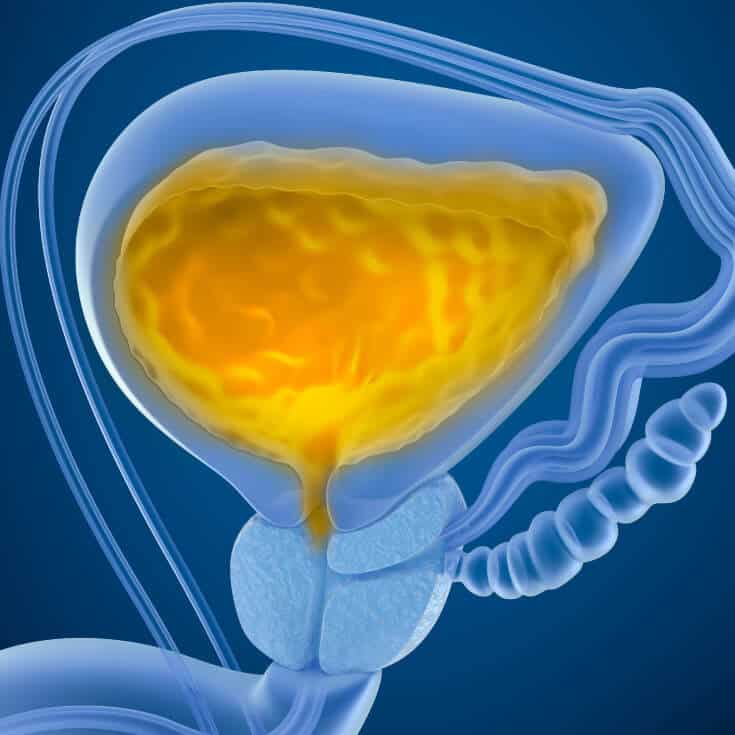
Cloudy urine points to something else going on. This page helps you read the pattern around it and decide what to do next; it can't look at your sample, and it isn't a substitute for a urinalysis.
Note what travels with it and when it appears: morning only, after meals, after sex, with burning, discharge or pain. The symptom checker above helps you name the two or three patterns worth testing.
If the cloudiness survives step one, get a urinalysis with microscopy, adding a culture, vaginal swab or STI testing where your pattern points. One good test sorts cells, crystals and chemical findings, and points to the culture, swab or bloodwork that comes next.
Treat the cause the testing confirms, and treat it properly. A confirmed infection gets the treatment your doctor prescribes, with the hydration, cranberry and D-mannose steps continuing alongside it; vaginitis gets its own regimen, stones a prevention strategy, and protein or glucose in the urine a medical workup. Then step five goes after why it happened.
Then change what allowed it: steady fluid every day rather than in bursts, moderated sodium and sugar, water-rich plants, blood sugar in range, full and regular bladder emptying including after sex, and attention to vaginal or prostate health. If you are postmenopausal with recurrent infections, give the vaginal side the same attention as the bladder, since falling estrogen changes that tissue and depletes its protective lactobacilli.10 If you form stones, build prevention on your own 24-hour urine results.114 Get recurrent episodes properly cultured rather than treated by phone.
Cloudy urine means suspended material is scattering light in your urine, usually crystals from concentrated urine, white blood cells and bacteria from an infection, mucus, or vaginal discharge or prostatic fluid, and the company it keeps decides the next step. A single cloudy void after a long night, a salty meal or a hard workout, with nothing else wrong, often reflects concentration. Cloudy urine that persists past two days of good hydration, or that arrives with burning, flank pain or fever, is the kind that needs a urinalysis; discharge calls for a vaginal or STI check instead.
Seeing hazy urine can be alarming, but it often has a simple explanation. Urine is mostly water carrying dissolved waste, and whether it stays clear depends on its concentration, its chemistry and any cells or other material mixed into it.
The list of explanations is short: concentrated urine, crystals, inflammatory cells and discharge cover most of the explanations, and the symptoms that come with it narrow things down quickly. Start with two days of proper water once the red flags are ruled out, because that makes whatever remains much easier to interpret. Your kidneys filter your entire blood supply many times a day, so your urine reflects your fluid status, your diet, your blood sugar and your immune system at once. This guide covers what turns urine cloudy, what the pattern around it tells you, how it's evaluated, and a plan to clear it.
Blood sugar is one of the drivers below. Get the free 25 Root-Cause Bloodwork Markers guide.
There are a lot of women that deal with these chronic UTIs on a regular basis… I love cranberry extract. I think D-mannose is a great supplement there.Dr. Josh Axe, DC, DNM, CNS
4 Things to Understand About Cloudy Urine
Concentration is the simplest explanation to check first. Less water passing through means more dissolved mineral per ounce, and minerals can come out of solution as visible crystals.
It's often not from the urinary tract at all. In women, vaginal discharge mixing with urine on the way out is a common and overlooked explanation.
What comes with it is the real clue. Burning, discharge, flank pain, fever or foam each point somewhere different.
It usually clears. Concentration responds to water, diet-driven crystals to a diet change, and an infection to the right treatment.
A sign with a cause behind it, and often harmless on a single occasion.
Haze in the bowl, a milky tinge, sediment that settles, sometimes a stronger smell.
Concentrated urine, urinary tract infection, vaginal discharge, crystals, diet.
The Dr. Axe cloudy urine action plan: rehydrate, read the pattern, test, treat, rebuild.
Cloudy urine is urine that has lost its transparency because particles are suspended in it and scattering light. Normal urine runs clear, from nearly colorless to deep amber depending on how concentrated it is. Cloudiness is a separate property from color, which is why urine can be pale and cloudy, or dark and perfectly clear.
Labs call this turbidity, and you'll see it on a lab report graded as clear, slightly hazy, cloudy or turbid. What can produce it is a short list: white blood cells and bacteria from infection, crystals that fell out of concentrated or alkaline urine, mucus and shed cells, discharge from the vagina or prostate, and rarely fat from lymph fluid, a condition called chyluria.8
Think of your urine as sweet tea pushed to the edge of how much sugar it can hold. It carries calcium, phosphate, oxalate, urate and protein in dissolved form, and there is only so much it can keep dissolved per ounce of water. Give your kidneys less water to work with and material that was invisible yesterday starts falling out of solution as visible particles today. That is the same physics behind kidney stones, which is why urine volume is a measurable stone risk factor and raising it is the first move worth making.4
Ask people to describe it and you hear the same pictures again and again: a haze that makes the bowl look like weak lemonade rather than clear tea, a milky or chalky tinge, fine sediment that settles if the sample sits. Once in a while it is a thicker, opaque white closer to skim milk, and that one is less common and worth getting evaluated promptly (see When to See a Doctor).
Two look-alikes can fool you here. Foam is a different finding: bubbles that sit on the surface and refuse to pop point toward protein rather than particles, and they earn their own workup. And the bowl, the cleaner and bathroom lighting can all make urine look hazier than it is. For a real check, hold a clean cup up to daylight.
The smell and the look often share one explanation. Concentrated urine carries more ammonia per ounce, so that strong first void of the morning usually just means you need more water. Certain foods, asparagus most famously, and some vitamin supplements change the odor all on their own, and an infection can turn it foul.26 Sweet- or fruity-smelling urine is a different signal: it can point to blood sugar running high, and it earns a glucose check.26
Smell follows the same rule as appearance. A strong smell that outlasts two days of good drinking, or arrives with burning or discharge, earns the same closer look the cloudiness does. And a fishy odor with discharge points to the vaginal side rather than the bladder.10
No. A single cloudy void is common, often reflects concentrated urine or something you ate, and often settles on its own. Cloudy urine becomes meaningful when it persists past two days of good hydration, or when it arrives with other symptoms. Appearance alone is a poor guide, and treating on appearance alone leads to unnecessary antibiotics.12
You might expect cloudy, strong-smelling urine to be proof of infection. It isn't, and clinical guidance says so directly: the diagnostic guidance for older adults rules it out as a criterion, precisely because it shows up so often in people who have no infection at all.1 Even bacteria in the urine are not the whole story: bacteriuria without symptoms becomes common with age, and in most people it should be left alone rather than treated.2 Even the dipstick struggles to settle it.
In older adults, a pooled analysis found leukocyte esterase and nitrite strips 90% sensitive but only about 56% specific for bacteria on culture, and 39% specific for a UTI in people with symptoms, so a positive result needs follow-up.5 That is worth knowing before a pink line on a home test sends you asking for antibiotics you may not need.
One cloudy morning after a short night is noise. Cloudy urine that outlasts two days of good drinking deserves a closer look (two days is this plan's observation checkpoint, not a validated diagnostic cutoff), and so does any that travels with pain, fever, discharge or blood.
Fever, chills or shaking, or pain in your back or side: get same-day care, since these can point to a kidney infection, and a kidney infection can move into the bloodstream6
Visible blood in the urine, at any age and even once
Inability to pass urine, which needs immediate care, or severe pain on urination, which needs same-day care
Vomiting with fever and back pain, or an inability to keep fluids down, which needs same-day care
Pregnancy, where cloudy urine is assessed rather than watched15
A weakened immune system, diabetes, a kidney transplant, a catheter, or a recent urinary procedure
Urine becomes cloudy when it contains suspended material: immune cells and bacteria from infection, crystals that precipitate out of concentrated or alkaline urine, mucus, or discharge and secretions entering from the vagina or prostate.
Only one of those routes is infection, where bacteria, most often E. coli, draw white blood cells into the urine.7 Notice what the list implies. The crystal route is directly sensitive to how much water is moving through, and infection is partly sensitive too, since flushing the bladder helps clear organisms before they establish.34 That is why hydration comes first on this page rather than as an afterthought, once the red flags above are cleared.
What travels with the cloudiness is a better clue than the cloudiness itself. Timing, pain, discharge and odor each point toward a different driver. Use the patterns below to see which possible causes fit and a reasonable first step, then read the matching section.
Match your pattern to its likely drivers
| If your cloudy urine looks like this | Likely drivers | First steps |
|---|---|---|
Cloudy and dark first thing in the morning, clear later | Concentrated overnight urine, low fluid intake | Drink to a pale straw color through the day and recheck |
Cloudy with burning, urgency and going often | Urinary tract infection | Urinalysis and culture, do not self-treat |
Cloudy with vaginal discharge, itching or a fishy odor | Bacterial vaginosis, yeast, or a sexually transmitted infection | Pelvic exam with a wet mount or vaginal swab |
Cloudiness you notice after meals | Diet-related crystals are one possibility; timing alone does not settle it | Note the food pattern and hydrate; if it keeps happening, get a urinalysis |
Cloudy with flank or back pain, nausea, fever or chills | Kidney infection or an obstructing stone | Same-day medical care |
Cloudy and persistently foamy, with ankle swelling | Protein in the urine, possible kidney disease | Urine albumin-to-creatinine ratio and kidney function |
Cloudy after sex, in men, with a dry or reduced ejaculate | Retrograde ejaculation or prostatic fluid | Post-ejaculation urinalysis with your doctor |
Cloudy with strong thirst, frequent urination, weight change | High blood sugar, glucose in the urine | Fasting glucose and HbA1c |
Cloudy with no other symptom at all, while well hydrated | Diet, crystals, or early infection | Urinalysis to sort benign from not |
Thick, milky white, almost like skim milk | Heavy pyuria, or rarely chyluria | Prompt evaluation8 |
The rows keyed on timing are the ones people underuse, and they can save you the most worry. Cloudiness worst on waking and gone by mid-morning fits concentrated overnight urine. Cloudiness that shows up after meals fits a diet pattern. Cloudiness that pays no attention to either is the one worth investigating.
Describe your pattern and get a personalized starting point.
Ask Dr. Axe → →The drivers include concentrated urine from low fluid intake, urinary tract infection, vaginal discharge and vaginitis, crystals from diet or stone disease, sexually transmitted infections, prostate fluid and retrograde ejaculation, glucose feeding organisms when blood sugar runs high, and protein-losing kidney disease. Concentrated urine is the easiest one to overlook, because it rarely feels like anything.
The root drivers of cloudy urine and how each one clouds it
| Root driver | How it clouds your urine |
|---|---|
Concentrated urine, low fluid intake | Less water per unit of dissolved mineral pushes calcium, phosphate and urate out of solution as visible crystals. Urine volume is a measurable risk factor, and raising it lowers both crystal load and infection recurrence.34 |
Urinary tract infection | White blood cells, bacteria and inflammatory debris enter the urine. Uropathogenic E. coli is the dominant organism, and almost half of all women will have at least one episode in their lifetime.97 |
Vaginal discharge and vaginitis | Discharge from bacterial vaginosis, yeast or normal cyclic changes joins the stream at the urethra and clouds an otherwise normal sample; bacterial vaginosis is the most common vaginal infection worldwide.10 |
Crystals and kidney stones | Stone-forming urine carries high supersaturation of calcium oxalate and phosphate, and fragments, crystals or associated bleeding cloud the urine.11 |
Sexually transmitted infections | Trichomoniasis, gonorrhea and chlamydia cause urethritis with discharge and pyuria. In the 2013-2014 US NHANES survey of adults 18-59, trichomoniasis was found in 1.8% of women and 0.5% of men, with far higher rates in some groups.12 |
Prostate fluid and retrograde ejaculation | Prostatic secretions or semen entering the bladder rather than exiting produce cloudy urine after ejaculation, often with a reduced ejaculate volume.13 |
High blood sugar | Glucose is invisible in urine, but it feeds yeast and other organisms, and those organisms and the immune cells they attract are what cloud it. SGLT-2 inhibitor medications, which send glucose into urine by design, raise genital fungal infection risk about 3.7-fold, though the same analysis found the link to urinary tract infection inconsistent.14 |
Protein leak from the kidneys | Protein is a chemical finding rather than a particle you can see; its classic visible sign is persistent foam, and in pregnancy it needs assessment for preeclampsia.15 |
The quiet driver is the first one, because low fluid intake is easy to overlook. Thirst, a dry mouth, darker urine and urinating less often are useful clues, though thirst can become less reliable with age, and urine output varies with fluid intake, fluid losses and kidney function.
Each driver has a recognizable feel, a mechanism, something to test or track, and a sensible first step. Below is how each one tends to show up, since most people can place themselves within a row or two of this list.
What it feels like. Worst on waking or late in a busy day, darker as well as cloudier, and it settles as your fluid intake recovers.
Why it happens. Dropping urine volume crowds the solution until dissolved minerals precipitate. Urine color tracks concentration closely enough to serve as a hydration marker in research.16
What to track. Your fluid intake and signs of dehydration alongside urine color.
First steps. My rule is half your body weight in ounces of filtered water daily, spread across the day, unless you have a prescribed fluid limit for kidney or heart failure. If you sweat heavily, add a pinch of sea salt and a squeeze of lemon; skip the salt if you form calcium stones or are on a sodium limit. A 12-month trial in 140 premenopausal women with recurrent cystitis and low baseline intake found that adding 1.5 liters daily cut episodes to 1.7 a year, versus 3.2 in women who kept their usual intake, and nearly halved antibiotic courses.3
What it feels like. Burning with urination, urgency, going constantly, passing small amounts, sometimes lower abdominal pressure or an odor.
Why it happens. Bacteria, most often E. coli from the gut, ascend the urethra and colonize the bladder, and the immune response fills the urine with white blood cells.7
What to test. Urinalysis with microscopy, plus a culture when the picture is unclear or recurrent; a dipstick alone cannot rule infection in.5
First steps. Get a urinalysis and culture from your doctor, since a delayed bladder infection can move up to the kidney.
What it feels like. Cloudy urine with normal urination, often with discharge, itching, a change in odor, or symptoms that track the cycle.
Why it happens. The urethral opening sits within the vulva, so discharge joins the stream on its way out and clouds a sample that was perfectly clear while it was still in the bladder. Normal discharge can do this without anything being wrong; new itching, irritation or an unusual odor points toward vaginitis, which earns a different evaluation from a bladder infection.10 Bacterial vaginosis, the most common vaginal infection worldwide, reflects a shift away from the protective Lactobacillus-dominant community your vagina normally maintains for itself.10
What to test. A pelvic exam with a wet mount or vaginal swab, a different test from a urinalysis and the reason a urine-only workup comes back clean.
First steps. Get the vaginal side evaluated rather than assuming the bladder.
What it feels like. Sediment or grit in the urine, sometimes with intense flank pain from a stone that comes in waves, or nothing between episodes.
Why it happens. Concentrated urine supersaturates with calcium oxalate, calcium phosphate or uric acid, and crystals form.
What to test. Urine microscopy for crystal type, imaging when pain suggests a stone, and a 24-hour urine collection for recurrent formers.
First steps. Fluid first, because the cheapest tool here has a randomized trial behind it. In a five-year randomized study of first-time calcium stone formers, the group assigned high water intake had recurrences in 12 of 99 patients versus 27 of 100 who changed nothing.4 From there, stone prevention is friendlier than most people fear: plenty of fluid, easier on the sodium and animal protein, and normal dietary calcium rather than restriction.11
What it feels like. Cloudy urine alongside strong thirst, frequent urination, fatigue, or recurrent yeast infections.
Why it happens. Your kidneys normally reclaim nearly all glucose before urine leaves your body. When blood sugar climbs past what they can reclaim, sugar spills into the urine, and sugar in urine feeds yeast. A whole drug class illustrates the point by design: SGLT-2 inhibitors work by sending glucose out through the urine, and across 98 randomized trials that raised genital fungal infection risk about 3.7-fold against placebo.14
What to test. Fasting glucose, HbA1c and fasting insulin, plus a look at other diabetes symptoms.
First steps. Address the blood sugar with protein, fiber and fat at each meal, movement after eating, and medical management where needed.
In women, the first three places to look are a urinary tract infection, vaginal discharge mixing with the stream, and concentrated urine. The anatomy matters, since a short urethra makes bladder infection more likely and a nearby vaginal opening makes contamination of the sample more likely.
If your first thought was infection, that makes sense: almost half of all women will experience at least one urinary tract infection in their lifetime, and nearly one in three will have had one requiring antibiotics by age 24.9 That base rate is exactly why the vaginal explanation gets missed so often, because everyone stops looking after the obvious suspect. One clue: if your urinalysis keeps returning epithelial cells and mixed organisms without a clear pathogen, the sample is probably picking up discharge on the way out, and the next test belongs to a pelvic exam rather than another urine cup.
Two more patterns deserve naming, because both get mistaken for trouble. Discharge naturally changes around ovulation and before a period, and it can cloud your urine with nothing wrong at all. And after menopause, falling estrogen changes the tissue of the vagina, urethra and bladder in up to 60% of women and depletes the protective lactobacilli, which can bring dryness, irritation and burning with urination.10 If recurrent infections started when your cycles stopped, mention that timing when your urine is cultured.
In men, the common explanations are concentrated urine, prostate-related fluid, retrograde ejaculation, urethritis from a sexually transmitted infection, and less commonly a urinary tract infection, which is much rarer in men and is treated as a signal to look for an underlying cause.
Timing is the biggest clue here. If your urine is cloudy only in the first void after sex, the likely explanation is semen or prostatic fluid, and a post-ejaculation urinalysis can confirm it.13
If the cloudiness travels with a perineal ache and difficult urination while cultures keep coming back clean, that picture fits chronic prostatitis and chronic pelvic pain syndrome, a real and frustrating condition that too often gets mismanaged as one infection after another.17 And cloudy urine with urethral discharge and burning points to a sexually transmitted infection, which needs testing.
One flag specific to men: a urinary tract infection in a man is not treated as routine the way an uncomplicated bladder infection in a young woman can be. It often warrants a look at the prostate, the flow and the anatomy behind it.
Cloudy urine with no burning, no pain and no discharge is where concentration and diet lead the list, and two days of proper hydration is the cheapest way to test that. It is still worth one urinalysis if it persists past that, because early infection, glucose spill and protein leak can all be painless.
You'll often hear two easy answers, and both skip the checking. The first, that it is nothing, forgets that protein and glucose can leak into urine without a single symptom to show for it. The second, that it is probably an infection, marches you toward antibiotics you may not need, which is exactly what the asymptomatic bacteriuria guidelines warn against.2
A simple two-step approach works better. Hydrate properly for 48 hours and look again, which often settles it right there. If it is still cloudy while your urine runs pale, get one urinalysis with microscopy. It checks cells, crystals and chemical findings like protein and glucose in one pass, and depending on what it shows, a culture, vaginal or STI test, blood test or imaging picks up from there.
The workup starts with a urinalysis with microscopy, plus a urine culture when infection is suspected, and a pelvic exam or STI testing where the history points there.
Treat a urinalysis like any lab work: it shows what's there, and the next question is why. Three things make the result more reliable. Collect a clean-catch midstream sample, because the first part of the stream carries the most contamination. Get the sample to the lab promptly, because urine left sitting at room temperature grows bacteria and drops crystals that were not there when you passed it. And mention any vitamin C you take, because vitamin C in urine interferes with dipstick chemistry: a multicenter study detected it in the urine of 18.1% of people tested, and in samples that contained it, 42.3% of glucose, 10.6% of hemoglobin and 8.2% of leukocyte esterase results read falsely negative.18
You do not need every test below. Think of this as a menu to discuss, guided by your row in the symptom checker.
A practical cloudy urine lab checklist
| Category | Tests to consider | Why it matters |
|---|---|---|
Core urine | Urinalysis with microscopy, urine culture | Checks cells, bacteria, crystals and the chemical findings protein and glucose in one pass7 |
Vaginal and sexual health | Pelvic exam, wet mount, vaginal pH, swab for BV and yeast; NAAT for chlamydia and gonorrhea | BV is the most common vaginal infection worldwide, and a routine urinalysis will not find it; some STI tests do use urine samples1012 |
Kidney | Urine albumin-to-creatinine ratio, serum creatinine and eGFR | Identifies protein leak and reduced filtration15 |
Metabolic | Fasting glucose, HbA1c, fasting insulin | Glucose in urine feeds yeast and, unless you take an SGLT-2 medicine, points to high blood sugar14 |
Stones and male-specific | Urine crystal microscopy, imaging if pain, 24-hour urine if recurrent; post-ejaculation urinalysis | Crystals and a 24-hour collection assess stone risk, and analyzing a passed stone identifies its type; post-ejaculation testing supports a retrograde-ejaculation diagnosis alongside symptoms1113 |
How we chose these labs. Selected for common and reversible causes, tests that change what you do next, safety, low cost where possible, and their fit with the symptom patterns above. Select tests according to symptoms and risk factors; the table is not a panel everyone needs.
Glucose, HbA1c, creatinine and eGFR are the numbers that matter most here. Upload your results and get a plain-English read of what they say about your urinary and metabolic health.
Analyze your bloodwork free → →If concentration or diet is contributing, fluid volume is the lever. If the cause is infection, the fastest route is a urinalysis and the right treatment. Use the list below as a reset while you work out the cause.
Drink to a daily volume. Use the target in the dehydration section above, spread across the day.3
Add minerals if you sweat. The pinch of sea salt and squeeze of lemon described above helps you hold the fluid rather than passing it straight through.
Do not hold it, and empty after sex. Regular emptying clears organisms before they multiply.
Ease off the mineral and sugar load for two days. Big dairy, protein and supplement loads raise the mineral side. If your blood sugar runs high, go easy on refined carbohydrate too, since sugar that spills into urine feeds yeast.14
Recheck in 48 hours. If it is still cloudy while your urine runs pale, get a urinalysis. Skip the wait entirely if anything on the red-flag list above applies.
The eating pattern that supports the urinary tract is high in water-rich plants, adequate in fluid and minerals, moderate in sodium, low in added sugar and refined carbohydrate, and built around the foods that support kidney function.
For recurrent urinary infections, I tell people to clean up the diet first, because the diet is more foundational than most of the herbals: more protein and fiber, more berries and pomegranate, lemon juice, and plenty of steamed vegetables.
Anchor the day on fluid volume. Fluid sits upstream of both crystals and infection recurrence, and it is the cheapest thing on this page to fix.34
Eat water-rich, electrolyte-rich plants. Celery, parsley, cucumber and watermelon carry both fluid and potassium.
Keep protein quality high, and let stone status set the amount. For infection-prone terrain, higher protein and fiber is the direction I point people. If you form calcium stones, that changes the advice: moderate the animal protein and sodium per your own 24-hour urine results, and keep dietary calcium normal, because cutting calcium to prevent calcium stones backfires. Calcium binds oxalate in the gut instead of the kidney.11
Cut added sugar and refined carbohydrate. When blood sugar runs high, glucose-rich urine supports yeast growth, the same mechanism that makes SGLT-2 drugs raise genital fungal infection risk.14
Include berries and pomegranate, and keep alcohol modest. Cranberry is the fruit here with randomized-trial support behind it.19
| Build meals around (within your limits) | Limit or avoid |
|---|---|
Water-rich vegetables: celery, cucumber, parsley, zucchini, leafy greens | Excess added sugar and refined carbs, particularly when managing elevated blood sugar |
Hydrating fruits: watermelon, cranberries, pomegranate, citrus | Excess sodium, which raises urinary calcium and stone risk11 |
Quality protein: wild-caught salmon and fatty fish, pasture eggs, poultry, beans | Very large daily portions of red and organ meat, which raise acid and urate load11 |
Mineral-carrying foods: black rice, chestnuts, pumpkin seeds, and a pinch of sea salt in water if you sweat heavily | Excess alcohol and heavy caffeine, both bladder irritants that work against hydration |
Fermented foods: sauerkraut, kimchi, kefir, plain yogurt | High-oxalate foods such as spinach and rhubarb, but only with confirmed calcium oxalate stones11 |
Fluids: filtered water, herbal teas, bone broth, unsweetened cranberry | Holding urine, which is not a food and undoes much of the above |
A note of caution. Do not build a restrictive diet around a symptom you have not diagnosed. Oxalate restriction is only appropriate for confirmed calcium oxalate stone formers, and applied broadly it removes perfectly healthy foods for no benefit.11 Add fluid and supportive foods before you subtract anything.
Water and cranberry both have randomized-trial support for preventing repeat urinary infections.319
Water leads this list because it is the cheapest step with randomized-trial support for both problems: added water cut recurrent bladder infections from 3.2 to 1.7 a year (the full trial is in the dehydration section above), and higher urine volume cut five-year recurrence in first-time calcium stone formers (the numbers are in the kidney stones section above).34
Why it works: Dilutes the solutes that crystallize and flushes organisms before they establish.
Dose: Half your body weight in ounces daily as a general starting point, more if you sweat. (The UTI trial added 1.5 liters of water daily and the stone trial used a high-water-intake regimen; neither tested this formula.34)
Best for: Cloudy urine that tracks with concentration, and prevention in the populations studied.
Caution: Do not wait through a hydration trial if any red flag in When to See a Doctor applies, and if you have kidney failure, heart failure or a prescribed fluid limit, follow your individual fluid plan. The water trial was funded by a bottled-water company, which does not invalidate the result but is worth knowing.
Study takeaway: Evidence: Strong. The first intervention, and the cheapest.
Cranberry extract is a favorite of mine for recurrent UTIs, and the trial record backs it. The 2023 Cochrane review included 50 studies and 8,857 participants; its main analysis pooled 26 studies with 6,211 participants and found that cranberry products lowered the risk of a symptomatic, culture-verified UTI by about 30% (risk ratio 0.70, 95% confidence interval 0.58 to 0.84).19 The risk fell 26% in women with recurrent infections (8 studies, 1,555 women), 54% in children (5 studies, 504 children) and 53% in people made susceptible by a medical procedure (6 studies, 1,434 participants).19
Against preventive antibiotics, cranberry products performed about the same in two trials of 385 participants, one in women with recurrent UTIs and one in children (risk ratio 1.03, 95% CI 0.80 to 1.33), and in three trials of 215 participants they cut the risk of a culture-verified UTI by 61% compared with probiotics (risk ratio 0.39, 95% CI 0.27 to 0.56).19 The review found little or no benefit in elderly institutionalized adults, in pregnancy, or in adults whose bladders empty incompletely from neuromuscular conditions.19
Why it works: Proanthocyanidins appear to interfere with bacterial adhesion to the bladder wall.
Dose: Unsweetened juice or a standardized extract daily; the review could not show one proanthocyanidin dose beating another.
Best for: Women with recurrent bladder infections.
Caution: Skip the sugar-loaded cocktails. Evidence on a cranberry-warfarin interaction is conflicting, so if you take warfarin, check with your prescriber or pharmacist first.
Study takeaway: Evidence: Moderate. About a quarter fewer infections in women with recurrent UTIs and about half as many in children and after procedures.
The strongest result comes from a 2024 placebo-controlled trial where no one knew who got what, in 174 premenopausal women with recurrent UTIs. By four months, another UTI had occurred in 31.8% of women using an oral-plus-vaginal probiotic combination and 40.9% using a vaginal probiotic, against 61.3% with an oral probiotic alone and 70.4% with placebo; the vaginal and combination groups had significantly fewer recurrences than placebo, and the oral-only group did not separate.27 An earlier meta-analysis of five randomized trials in 294 premenopausal women found a 49% lower risk (risk ratio 0.51) in the two trials of effective strains, 127 women in all, though the pooled result across all five (risk ratio 0.85) was not statistically significant.20
Those findings concern the studied preparations, not ordinary yogurt or any probiotic off the shelf. The vaginal rationale is real, since a Lactobacillus-dominant community is associated with lower vaginitis risk.10 I put food first, with fermented foods like kefir and yogurt as the foundation, and add targeted probiotic strains when there's a specific job to do, like this one.
Why it works (proposed): Supports a Lactobacillus-dominant vaginal community that resists colonization.
Dose: A strain-specific vaginal Lactobacillus product, alone or with an oral one, matched to what was studied; the 2024 trial ran four months.27
Best for: Women exploring non-antibiotic prevention with a practitioner who can name the strain and route; fermented foods for everyday support.
Study takeaway: Evidence: Emerging. In a 2024 placebo-controlled trial, recurrences fell to 31.8% with vaginal-plus-oral probiotics, against 70.4% with placebo.
For recurrent UTIs, I recommend D-mannose and cranberry extract together, after the diet cleanup. The trials show both why it's worth trying and where results vary.
In a 6-month trial of 308 women who had just cleared a bladder infection, 2 grams of D-mannose powder daily held recurrences to 14.6%, in the same range as daily nitrofurantoin at 20.4% and far below the 60.8% seen with no prevention, with fewer side effects than the antibiotic. That trial had no placebo group and was run in a hospital clinic population.24
A larger 2024 trial compared the same dose with a placebo for six months in 598 women across 99 UK primary care practices. Slightly fewer women on D-mannose contacted their doctor about a suspected infection (51.0% versus 55.7%), a difference that wasn't statistically significant.21 A small 2026 comparison in 75 premenopausal women reported an average of 0.32 episodes a year with D-mannose, 0.2 with low-dose antibiotics and 1.08 with extra water alone; only the antibiotic-versus-water difference was statistically significant.25
Why it may help: Mannose can block E. coli from binding to bladder cells, a mechanism shown convincingly in the lab.
Dose: 2 grams of powder daily in water, the dose used in the 2014 and 2024 trials.
Best for: Women with recurrent UTIs, as one piece of a diet-first plan with cranberry extract.
Caution: Well tolerated in the trials.
Study takeaway: Evidence: Mixed. Fewer recurrences than no prevention in one trial, no significant edge over placebo in a larger primary-care trial; a sensible part of a diet-first plan alongside cranberry.
Traditional practice reaches for cordyceps, reishi and astragalus for kidney and resilience support, with rhodiola on the stress side. These rest on traditional use and preclinical work rather than trials for cloudy urine.
Why they're proposed: Long traditional kidney-supportive use with antioxidant and adaptogenic activity.
Dose for cloudy urine: Not established in the evidence cited here; follow product labeling from a reputable source. Rhodiola can be activating, so take it in the morning.
Best for: Broader kidney and stress support as part of a plan, never a substitute for finding the driver.
Caution: Astragalus may interact with medicines that suppress immune activity, and reishi can add to bleeding risk, so check the specific product with your prescriber or pharmacist if you take immunosuppressants or blood thinners.
Study takeaway: Evidence: Preclinical. Long traditional use for kidney and resilience support, as one part of a broader plan.
Blood sugar is one of the drivers of cloudy urine covered above. This free guide lays out:
Free with your Dr. Axe account (email or Google). You'll also get the protocol's short email series and the Dr. Axe newsletter; unsubscribe anytime.
Open the free guide → →Conventional care treats the confirmed cause: antibiotics for a confirmed urinary infection, targeted antimicrobials for bacterial vaginosis or trichomoniasis, urological management for stones and prostate conditions, and blood pressure and blood sugar control for protein leak.
Antibiotics save lives in an emergency. When a culture confirms an infection, an antibiotic is what a doctor may prescribe, and a suspected kidney infection needs treatment promptly, sometimes in the hospital.6 Bacterial vaginosis and trichomoniasis have their own regimens, and treating a partner matters for the second. After a necessary course of antibiotics, I rebuild the gut with probiotics and fermented foods.
One of the most useful recent changes in conventional care is restraint. Guidelines now say plainly that bacteria in the urine without symptoms should not be screened for or treated in most adults.2 The guideline keeps two exceptions where screening and treating symptomless bacteria still makes sense: pregnancy, and certain endoscopic urinary procedures that injure the urinary lining.2 A 2026 expert-panel triage guide goes further: a change in urine color or appearance without bladder symptoms calls for neither urine testing nor antibiotics.22 For a frail parent or grandparent this matters enormously, because reflexively treating nonspecific findings drives resistance and side effects without making anyone better.23
Antibiotics clear an episode without changing why it keeps happening. Hydration, blood sugar, vaginal health and bladder emptying change the pattern, and they are the part a short visit rarely covers.
Three trials or pooled analyses have tested natural prevention directly against preventive antibiotics:
Natural prevention compared with preventive antibiotics
| Comparison | Who and how long | Doses | Result | Side effects |
|---|---|---|---|---|
D-mannose vs nitrofurantoin vs no prevention24 | 308 women with recurrent UTIs, after antibiotic treatment of a bladder infection; 6 months | D-mannose 2 grams in 200 ml of water daily; nitrofurantoin 50 mg daily | Recurrence in 14.6% on D-mannose, 20.4% on nitrofurantoin and 60.8% with no prevention | Mild in both active groups, and significantly fewer with D-mannose than with nitrofurantoin |
Cranberry products vs preventive antibiotics19 | 2 trials, 385 participants: women with recurrent UTIs and children | Varied by trial | Similar results (risk ratio 1.03) | Against placebo, cranberry's digestive side effects probably did not differ (10 trials, 2,166 participants) |
D-mannose vs low-dose antibiotic vs extra water25 | 75 premenopausal women with 3 or more UTIs a year; 12 months | Not detailed in the published abstract | 0.2 episodes a year on the antibiotic, 0.32 on D-mannose and 1.08 on extra water; only the antibiotic-versus-water difference was statistically significant | Minor side effects, such as mild stomach upset, were more frequent with the antibiotic; no severe events |
Traditional systems read urine as a direct report on the body's internal state. Traditional Chinese medicine places the bladder and kidneys in the water element, treats the kidney system as the foundation of the body, and reads cloudy or turbid urine as "damp heat," its term for stagnant fluid combined with inflammation, pooling in the lower body. Ayurveda works through similar territory with cooling, diuretic herbs and generous fluid.
In traditional Chinese medicine, the "kidney system" is a framework that connects urinary function, reproduction, bones and vitality, broader than the anatomical kidneys of modern medicine, and imbalance in it shows up as frequent urination, incontinence, low back pain and premature aging. The response to damp heat is unglamorous and familiar: more fluid, fewer rich and greasy foods, less alcohol, cooling water-rich vegetables. The first of those, more fluid, is also what the trials here support most directly.34
I pair traditional Chinese medicine with lab work, because together they give me a level of precision neither one achieves alone. The foods traditional practice reaches for, celery, parsley, cucumber, watermelon, cranberries, are the same water-rich, potassium-carrying foods the diet section above builds on. Used alone, a traditional framework lacks the testing precision to tell you whether you have a kidney infection, which is what a urinalysis is for.
The Dr. Axe action plan moves through five steps: Rehydrate, Read the pattern, Test rather than guess, Treat the cause, and Rebuild the terrain.
D-mannose is just a sugar; it can't prevent UTIs.
Cranberry doesn't work, it's an old wives' tale.
The 2023 Cochrane review found cranberry products lowered the risk of a culture-verified UTI by about 30%.19
Cutting calcium prevents calcium stones.
Normal dietary calcium binds oxalate in the gut and is part of stone prevention; restricting it is counterproductive.11
A single cloudy void with no other symptoms can be watched through two days of good hydration. The table below shows when to book a test, when to get same-day care and when to get care immediately.
What to do next, by situation
| If you... | Recommendation |
|---|---|
Have one cloudy void and feel fine | Hydrate properly and recheck over 48 hours |
Still have cloudy urine after two days of good hydration | Book a urinalysis with microscopy |
Have burning, urgency or frequency | Get a urinalysis and culture before treating |
Have discharge, itching or odor | Ask for a pelvic exam and vaginal swab, not just a urine test |
Can't pass urine at all | Get medical care immediately |
Have fever or chills, flank or back pain, severe pain on urination, or vomiting that prevents drinking | Get urgent same-day evaluation |
See visible blood in your urine | Arrange prompt medical evaluation, even if it happens once |
Have a weakened immune system, diabetes, a kidney transplant, a catheter or a recent urinary procedure | Get cloudy urine with any symptom checked promptly rather than waiting 48 hours |
Are pregnant | Contact your OB |
Have recurrent episodes | Ask for cultures each time and a prevention plan |
Cloudy urine is a symptom, and much of the time it's harmless. It is a readout on what your kidneys are filtering and how much water is carrying it.
What to do is straightforward. Rehydrate to volume, read the pattern of what travels with it, and get one urinalysis if it survives both. Treat the cause the testing confirms, then rebuild the terrain with steady fluid, water-rich foods, controlled blood sugar and good bladder habits.
When concentration is behind it, cloudy urine is your body asking for more water. Give it that first, then find and treat whatever is left.
The 25 markers that matter most, including HbA1c and fasting insulin, with optimal ranges, root causes and the actions to take. Free with your Dr. Axe account (email or Google). You'll also get the protocol's short email series and the Dr. Axe newsletter; unsubscribe anytime. Have recent bloodwork? Analyze it free.
Open the free guide → →Cloudy urine means particles are suspended in your urine and scattering light: usually white blood cells and bacteria from an infection, crystals from concentrated urine, mucus, or vaginal discharge or prostatic fluid. Protein and glucose are different, chemical findings a urinalysis can detect even when urine looks clear. The look alone does not identify which is which, and sorting that out is what the test is for.7
The first explanations to check are that your urine is concentrated because you have not had enough fluid, or that something is adding cells or discharge to it. If it clears within two days of drinking properly, concentration probably contributed. If it persists while your urine runs pale, get a urinalysis. If any red flag applies, go straight to When to See a Doctor.
Often for the same reason it looks cloudy: concentration. Concentrated urine can smell of ammonia, and the same shortage of water can make it look hazier. Most changes in urine odor are not a sign of disease and pass in time. Certain foods, asparagus most famously, and some vitamin supplements change the odor on their own, an infection can turn it foul, a sweet or fruity smell can point to high blood sugar and earns a glucose check, and a fishy smell with discharge points to bacterial vaginosis rather than the bladder.2610
Much of the time, no. Cloudy urine often reflects concentration, diet or a treatable infection. It earns urgency when it comes with fever, chills, flank or back pain, visible blood, an inability to urinate, or pregnancy, because those patterns can mean kidney infection or obstruction, and a kidney infection can move into the bloodstream.6
The usual suspects are urinary tract infection, vaginal discharge mixing with the urine stream, and concentrated urine. Bacterial vaginosis, yeast infections, sexually transmitted infections, kidney stones, pregnancy and blood sugar problems account for much of the rest. A routine urinalysis does not diagnose bacterial vaginosis or a yeast infection, which is why a persistent problem sometimes needs a pelvic exam with vaginal testing; STI testing is separate and may use a swab or a urine sample.910
Concentrated urine, prostatic fluid or semen after ejaculation, retrograde ejaculation, urethritis from a sexually transmitted infection, prostatitis and kidney stones are the usual explanations. Urinary tract infections are much less common in men and are treated as a reason to look for an underlying cause rather than as a routine event.13
It can be. Stone-forming urine runs concentrated and supersaturated, so crystals, grit or sediment can cloud it, and a passing stone can add blood.11 Cloudy urine with wave-like flank pain is a same-day matter. Between episodes, the useful tests are urine microscopy for crystal type and a 24-hour urine collection if stones recur.
They can contribute. Large mineral and protein loads, including supplement stacks, raise the dissolved load your urine has to carry, which favors visible crystals when fluid is low. Vitamin C can make some dipstick results read falsely negative, so tell whoever runs your urinalysis what you take.18
Not reliably. Cloudy urine is far too common and has too many causes to work as a pregnancy sign, and a pregnancy test is the only way to answer that. Pregnancy can increase vaginal discharge, which may mix with a urine sample and cloud it. Prenatal care includes an early urine culture, because bacteria in the urine can matter during pregnancy even without symptoms, and protein in the urine is part of how preeclampsia is assessed.215
It helps prevent the urinary infections behind some cloudy urine. A 2023 Cochrane review pooling 26 studies and 6,211 participants found cranberry products lowered the risk of a symptomatic, culture-verified UTI by about 30%, with benefit in women with recurrent infections, children and people made susceptible by a medical procedure.19 Cranberry won't clear cloudiness from concentrated urine, which is water's job; choose unsweetened juice or a standardized extract.
It has trial support. In a 308-woman trial, 2 grams daily held recurrences to 14.6%, in the same range as the 20.4% seen with the antibiotic nitrofurantoin and far below the 60.8% with no prevention.24 A larger placebo-controlled trial of the same dose in UK primary care found 51.0% versus 55.7% over six months, a difference that wasn't statistically significant.21 I keep it in my recurrent-UTI plan alongside cranberry extract and the diet cleanup, and I'd never let it stand in for a urinalysis when symptoms persist.
Water, when concentrated urine is behind it: drink to a pale straw color through the day.16 Emptying your bladder regularly and easing off big mineral and protein loads for a couple of days support the same goal. If it's an infection, home measures won't clear it, so with pain, fever or blood, get a urinalysis and proper treatment.
September 30, 2026 — Added the Cochrane cranberry effect sizes (about 30% lower UTI risk overall, 54% in children), charts for the hydration and cranberry trials, a table comparing natural prevention with preventive antibiotics, a cranberry FAQ, and a free 25 Root-Cause Bloodwork Markers guide.
September 27, 2026 — Rebuilt the 2024 page ("Is Cloudy Urine Dangerous? Causes, Diagnosis and Remedies") to the current DrAxe.com standard. Replaced the old remedies list (L-arginine, quercetin, garlic, acupuncture, intercourse-hygiene and skin-allergen sections) with a five-entry supplement review graded on the evidence ladder, with each trial's numbers reported in full and the hydration trial's bottled-water funding disclosed. Added the symptom-checker table, the root-driver table, the women's and men's sections, the evaluation guide with the vitamin C dipstick-interference data, the five-step action plan, the smell section and FAQ, and red-flag routing for kidney infection and pregnancy. The page now leads with the guideline position that cloudy or foul-smelling urine alone is not treated as infection. 27 numbered references replace the prior citation list.
This article is for educational purposes. See our medical disclaimer.