
This Dr. Axe content is medically reviewed or fact checked to ensure factually accurate information.
With strict editorial sourcing guidelines, we only link to academic research institutions, reputable media sites and, when research is available, medically peer-reviewed studies. Note that the numbers in parentheses (1, 2, etc.) are clickable links to these studies.
The information in our articles is NOT intended to replace a one-on-one relationship with a qualified health care professional and is not intended as medical advice.
This article is based on scientific evidence, written by experts and fact checked by our trained editorial staff. Note that the numbers in parentheses (1, 2, etc.) are clickable links to medically peer-reviewed studies.
Our team includes licensed nutritionists and dietitians, certified health education specialists, as well as certified strength and conditioning specialists, personal trainers and corrective exercise specialists. Our team aims to be not only thorough with its research, but also objective and unbiased.
The information in our articles is NOT intended to replace a one-on-one relationship with a qualified health care professional and is not intended as medical advice.
Animal Protein: Benefits, Sources, How to Use & How It Compares to Plant Protein
January 15, 2026

Animal protein continues to be one of the most widely consumed protein sources in the world, and for good reason. It’s naturally rich in essential amino acids, easy for most people to digest and supports everything from muscle strength to metabolic health.
In fact, the latest update to the Dietary Guidelines for Americans released in 2026 increased the amount of recommended protein intake per day and flipped the food pyramid on its head to emphasize eating more animal protein.
Today, animal protein is available not only through whole foods, but also through convenient supplements like animal protein powder or animal-based protein powder, which have become popular among athletes, active adults and anyone looking to boost daily protein intake.
Whether you follow a high-protein diet, want to support healthy aging or simply want to understand how animal protein compares to plant-based options, this guide breaks down everything you need to know, including benefits, types, risks, FAQs and simple ways to add more to your diet.
Animal protein vs. plant protein
While both animal and plant proteins can fit into a balanced diet, there are key differences that impact digestion, absorption and overall nutrient density.
1. Amino acid profile
Animal proteins are considered complete proteins because they contain all nine essential amino acids in optimal ratios for human physiology. These amino acids support muscle repair, hormone production, metabolic health and more.
Plant proteins can also be complete, but many are naturally lower in certain amino acids, such as lysine or methionine. This can make it more challenging to meet amino acid needs without combining multiple plant-based sources.
2. Digestibility
Animal protein generally has a higher digestibility score, meaning your body can absorb and utilize it efficiently. Plant protein may be slightly less digestible because of natural compounds like phytates and fiber.
3. Nutrient density
Animal protein typically provides additional nutrients, such as vitamin B12, heme iron, zinc, selenium, omega-3 fats and fat-soluble vitamins. Plant proteins, on the other hand, deliver antioxidants, fiber and phytonutrients.
Bottom line: Both can be healthy, but animal protein tends to provide superior amino acid balance and digestibility, which is why animal-based protein powder is often chosen by athletes and individuals with higher protein needs.
Sources
There are many nutritious sources of animal protein to choose from, each offering a unique nutrient profile. Here are some of the top high-protein foods that come from animals:
1. Poultry
Chicken and turkey are lean, versatile, and rich in B vitamins and selenium. Opt for free-range chicken and turkey when you can for the best cuts and healthiest poultry.
A four-ounce serving of cooked chicken breast with its skin contains approximately 29.9 grams of protein, while a four-ounce serving of roasted turkey breast provides about 32.5 grams of protein.
2. Beef
Grass-fed beef provides high-quality protein plus iron, zinc and conjugated linoleic acid (CLA), a fatty acid linked to metabolic support. A four-ounce serving of grass-fed beef holds roughly 26.1 grams of protein.
3. Eggs
Eggs are one of the most bioavailable protein sources on the planet. They also deliver choline, vitamin D and healthy fats.
How much protein is in an egg? Two large fried eggs deliver about 12.5 grams of protein.
4. Dairy
Milk (especially A2 milk), yogurt, cottage cheese and whey protein are excellent sources of branched-chain amino acids that can enhance muscle recovery. One cup of whole milk supplies about 8.1 grams of protein, while a three-quarters-cup serving of whole fat Greek yogurt contains about 14.9 grams of protein.
Meanwhile, a half-cup serving of full-fat cottage cheese provides roughly 12.8 grams of protein, and a third-cup serving of whey protein has about 25 grams of protein.
5. Fish and seafood
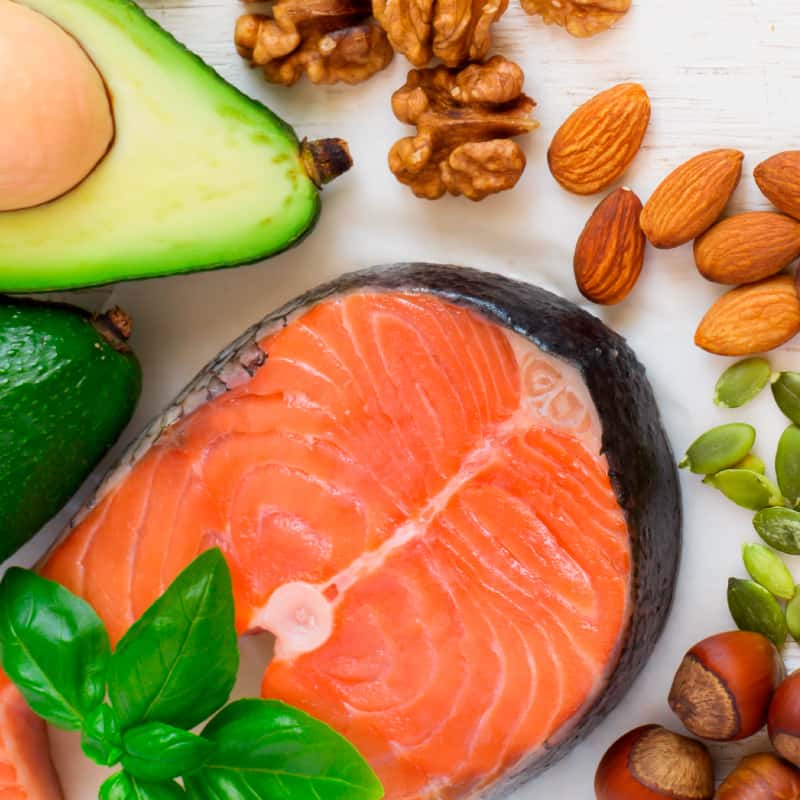
Salmon, sardines, tuna, shellfish and white fish are rich in protein and omega-3 fatty acids that are vital for brain and heart health.
- A four-ounce serving of cooked salmon holds approximately 28.8 grams of protein.
- A 3.75-ounce serving of canned sardines provides about 22.6 grams of protein.
- A four-ounce serving of canned tuna fish supplies approximately 26.8 grams of protein.
The amount of protein varies depending on the type of shellfish and white fish, but most seafood is a good source of animal protein.

6. Animal protein powder
Animal protein powders provide a convenient way to boost daily protein intake and support muscle, skin, gut and metabolic health.
Popular forms include:
- Whey protein
- Casein protein
- Collagen protein
- Egg white protein
- Beef isolate protein
- bone broth protein
The amount of protein varies based on the specific supplement. Ideally, look for multi-animal protein since different sources can provide different benefits and nutrients to support overall health. Utilizing different types can help you up your intake of a variety of compounds, not just protein.
Other animal protein sources include:
- pork
- lamb
- bison
- organ meats, like liver
- veal
- venison
- goat
- mutton
- rabbit
- boar
- buffalo
- horse
- hare
- elk
- other cheeses, like feta, goat and ricotta
- kefir
- mackerel
- cod
- trout
- sablefish
- anchovies
- mahi mahi
- herring
- halibut
- snapper
- bluefish
- pollock
- and more
Benefits
1. Supports muscle strength and maintenance
Animal proteins provide all of the needed essential amino acids. They’re especially good sources of leucine, which is known for stimulating muscle protein synthesis.
Research shows that animal protein consumption helps preserve lean muscle mass, support recovery and enhance strength, particularly when combined with resistance training.
In a randomized, cross-over trial of 16 healthy older adults (65-85 years old) published in the Journal of Nutrition, researchers compared a whole-food omnivorous meal containing lean ground beef to an isonitrogenous (same protein), isocaloric vegan meal. They found that after eating the beef meal, postprandial muscle protein synthesis rates were about 47 percent higher than after the vegan meal.
This provides evidence that animal-based whole proteins can produce a stronger anabolic (muscle-building) response than plant-based proteins, likely due to greater essential amino acid availability.
2. Promotes healthy metabolism
The thermic effect of protein is higher than that of carbohydrates or fats, meaning the body burns more energy digesting it. Research has found that higher-protein diets (including those with animal protein) support satiety, metabolic rate and healthy blood sugar balance.
A 2025 randomized, crossover trial published in Nutrition Journal had 48 overweight and/or obese men consume two high-protein meals (one animal-based, one plant-based) on separate days. After the animal protein meal, their resting energy expenditure rose by approximately 14.2 percent compared to just 9.6 percent after the plant protein meal.
They also showed greater thermic effect of food and increased carbohydrate oxidation.
This suggests that animal protein may boost metabolic rate more than plant protein in the post-meal period, likely because of differences in amino acid composition, digestion and absorption.
3. Encourages healthy aging
Adequate protein is crucial for maintaining muscle mass, bone density and physical function. Human clinical research has linked higher animal protein intake with improved strength, mobility and aging-related outcomes.
In a 20-year prospective human cohort (the InCHIANTI study) of 1,139 community-dwelling older adults with a mean age of 75 living in Tuscany, Italy, higher animal protein intake (as a percentage of total energy) was significantly associated with lower all-cause and cardiovascular mortality.
Thus, animal protein may contribute to healthy aging by protecting against age-related decline, potentially through its benefits for muscle strength, frailty or immune function.
4. Provides highly bioavailable nutrients
Animal protein delivers nutrients often difficult to obtain in plant-only diets, including:
- Vitamin B12
- Heme iron
- Omega-3 fatty acids
- Zinc
- Selenium
- Choline
These nutrients play key roles in cognitive health, immunity, cardiovascular function and cellular energy production.
5. May support gut, skin and joint health
Collagen, a type of animal protein, contains amino acids like glycine and proline that are important for connective tissue, joint comfort, skin elasticity and gut integrity.
6. Helps support healthy blood sugar and weight management
Protein helps stabilize glucose levels and promotes fullness after meals. Studies have shown that higher-protein diets help reduce cravings and support healthy body composition.
For example, in a randomized, controlled trial of 106 adults with type 2 diabetes, participants followed either a high-protein diet (about 40 percent of calories from protein, including four or more servings of lean beef per week) or a normal-protein diet (roughly 21% percent protein, excluding red meat) for 52 weeks. Both groups lost significant weight, reduced fat mass, and improved hemoglobin A1c, fasting glucose, insulin and insulin resistance, with no significant difference between the high-protein vs. normal-protein groups.
These results show that diets that include at least some animal protein can be an effective tool for improving body composition and glycemic control as part of weight management in adults with type 2 diabetes.
7. May lower risk of heart disease
When sourced from whole, minimally processed foods, such as fish, lean poultry, eggs and yogurt, animal protein may support cardiovascular health. Research indicates that diets rich in nutrient-dense animal proteins, particularly seafood, are associated with healthier cholesterol levels, reduced inflammation and overall improved heart markers.
8. Helps protect cognition
Animal protein provides key nutrients like vitamin B12, DHA, choline and iron, which are essential for neurotransmitter production and brain function. Studies have relayed that adequate intake of these nutrients is associated with improved memory, clearer thinking and better long-term cognitive health.
9. May help reduce risk of certain cancers
High-quality animal proteins, such as fish, dairy and eggs, provide nutrients that support immune function, cellular repair and hormonal balance. Research has found that diets rich in whole-food animal proteins, especially those containing omega-3-rich seafood and fermented dairy, may be associated with lower risk of certain cancers when consumed as part of a balanced, anti-inflammatory diet.
How to add to diet
Here are simple ways to increase intake without feeling overwhelmed:
- Build meals around protein. Start each meal with a source of animal protein, such as eggs, chicken, fish, Greek yogurt or grass-fed beef.
- Mix in animal protein powder. Use animal protein powder or animal-based protein powder to support daily intake. Add whey or collagen to smoothies, stir collagen into coffee or oatmeal, use egg white protein in baking, or add beef isolate powder to shakes for a dairy-free option.
- Choose high-protein snacks. Try hard-boiled eggs, Greek yogurt, cottage cheese or tuna packets.
- Eat more seafood. Aim for two to three servings of healthy fatty fish weekly for both protein and omega-3s.
- Rotate protein sources. Vary your proteins weekly to ensure a balanced nutrient intake.
Risks and side effects
Animal protein is safe for most people, but here are considerations to keep in mind:
1. Quality matters
Highly processed meats may contribute to inflammation or digestive discomfort. You also want to keep your red meat consumption in check, so make sure to keep your intake moderate.
Choose high-quality options, such as:
- Grass-fed beef
- Pasture-raised poultry and eggs
- Wild-caught seafood
- Organic dairy
2. Digestive sensitivities
Some people may experience digestive issues with dairy-based proteins like whey or casein. In these cases, collagen, egg white or beef isolate powders may be better tolerated.
3. Overconsumption
Excessive protein intake can place stress on the kidneys in individuals with pre-existing kidney conditions. Healthy individuals typically tolerate higher protein well, but balance is still important.
4. Food allergies
Eggs, dairy and shellfish are common allergens. Always check labels, and introduce new proteins cautiously if you’re sensitive.
Frequently asked questions
What are animal proteins?
Animal proteins come from animal-based foods, such as meat, poultry, fish, seafood, eggs and dairy. These proteins are complete proteins and provide essential nutrients, like vitamin B12, heme iron, zinc, calcium and omega-3 fatty acids, in highly absorbable forms.
Is animal protein healthier than plant protein?
Both can be healthy, but animal protein contains all the essential amino acids you need in ideal ratios and is more bioavailable. Many people combine both for optimal nutrition.
Is plant protein better than animal protein?
Plant protein is not inherently better than animal protein. Animal protein is a complete protein that contains all nine essential amino acids and is highly bioavailable. Plant protein can also support health, but many sources must be combined to provide a full amino acid profile.
What is the best animal protein powder?
The best option depends on your goals. Here are some popular types:
- Whey: Best for muscle growth and recovery
- Collagen: Best for skin, joints and gut health
- Egg white: Great for high digestibility
- Beef isolate: Good dairy-free, complete protein option
How much animal protein should I eat daily?
Most adults do well with 0.8-1.6 grams of protein per pound of ideal body weight, depending on activity level, age and goals.
Is animal protein bad for your heart?
When sourced from whole, minimally processed foods, such as fish, eggs, poultry, dairy and lean meats, animal protein can support heart health. Ultra-processed meats, however, should be limited.
Can I use animal protein powder every day?
Yes. Many people use animal-based protein powder daily to help meet their protein needs, especially if they have higher activity levels or busy schedules.
What animal has the most protein?
Lean animal foods provide the highest protein density. Chicken breast, turkey, tuna, salmon, lean beef and bison are among the richest sources of animal protein per serving. Egg whites are also extremely high in protein with minimal fat and calories.
Why avoid animal protein?
Some people limit animal protein due to concerns about processed meats, environmental impact or animal welfare. Diets high in processed or excessive red meat may increase the risk of heart disease and certain cancers, while moderate intake of high-quality animal protein can still support overall health.
What foods are high in animal protein?
High-protein animal foods include beef, chicken, turkey, pork, fish, seafood, eggs, Greek yogurt, cottage cheese, milk and cheese. Lean meats, wild-caught fish, pasture-raised eggs and minimally processed dairy provide the most protein with better nutritional quality.
What is the new food pyramid now?
The modern food pyramid emphasizes protein quality, whole foods and metabolic health. Updated guidelines prioritize high-quality protein from both animal and plant sources, healthy fats, vegetables, and fruits while reducing refined grains and added sugars, making protein a central part of each meal.
Conclusion
- Animal protein remains one of the most complete and bioavailable protein sources available.
- It supports muscle strength, metabolic health, healthy aging, hormonal function, immune defenses and more.
- Whether you choose whole-food options, animal protein powder or both, high-quality animal proteins can provide the amino acids and nutrients needed for optimal wellness.
- Focus on a variety of clean, minimally processed options, rotate your protein sources and use high-quality animal-based protein powder to help fill gaps when needed.
- Avoid low-quality processed meats, consider your individual digestive needs and aim for a balanced, whole-foods-based approach to long-term health.
Popular Nutrition Posts