This Dr. Axe content is medically reviewed or fact checked to ensure factually accurate information.
With strict editorial sourcing guidelines, we only link to academic research institutions, reputable media sites and, when research is available, medically peer-reviewed studies. Note that the numbers in parentheses (1, 2, etc.) are clickable links to these studies.
The information in our articles is NOT intended to replace a one-on-one relationship with a qualified health care professional and is not intended as medical advice.
This article is based on scientific evidence, written by experts and fact checked by our trained editorial staff. Note that the numbers in parentheses (1, 2, etc.) are clickable links to medically peer-reviewed studies.
Our team includes licensed nutritionists and dietitians, certified health education specialists, as well as certified strength and conditioning specialists, personal trainers and corrective exercise specialists. Our team aims to be not only thorough with its research, but also objective and unbiased.
The information in our articles is NOT intended to replace a one-on-one relationship with a qualified health care professional and is not intended as medical advice.
Estrobolome: How to Support the Gut-Estrogen Connection
March 6, 2026
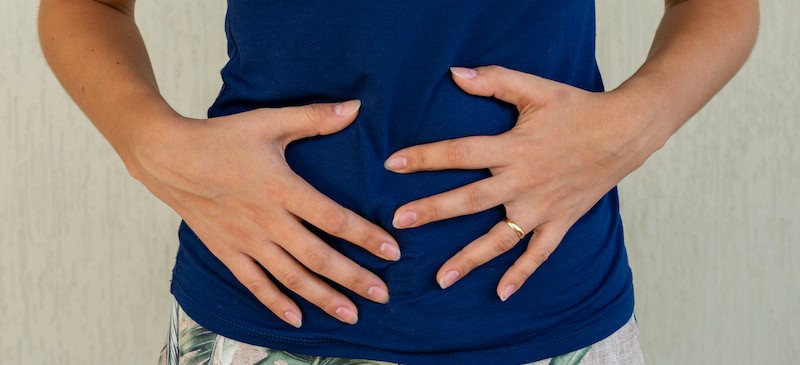
If you’ve been investigating hormone balance, you may have run across the term “estrobolome” and wondered what exactly it means. Is it just another buzzword?
As functional and integrative clinicians increasingly recognize, your gut microbiome plays a central (and underappreciated) role in how your body handles estrogen. The estrobolome is emerging as a key player in hormonal health, menopause, fertility and even cancer risk.
So what exactly is the estrobolome, and how can you make sure to keep yours in tip-top shape? Let’s dive in.
What is the estrobolome?
The estrobolome is the aggregate of bacterial genes in the gut microbiome whose enzymatic products modulate estrogen metabolism. In simpler terms: It’s the subset of your gut microbes that activate estrogen metabolites, influencing how much estrogen your body reabsorbs versus excretes.
Here’s how it works in more detail:
- Estrogen metabolism in the liver and conjugation. Your body produces estrogens (estradiol, estrone, estriol), and in the liver these undergo phase II reactions, notably glucuronidation or sulfation, to form more water-soluble, conjugated forms that are destined for elimination.
- Biliary excretion into the gut. These conjugated estrogens are secreted into bile, delivered to the intestines and may reach the large intestine.
- Deconjugation by estrobolome enzymes. Some gut microbes express beta-glucuronidase (and in some cases sulfatase) enzymes that can cleave the conjugated moieties, releasing “active” (unconjugated) estrogen back for reabsorption. That means estrogen can “re-enter circulation.”
- Balance between excretion and reabsorption. Whether more estrogen is excreted or reabsorbed depends in part on the activity and balance of these microbes. If the estrobolome is “overactive” (too much deconjugation), it can lead to greater reabsorption and estrogen dominance. If it’s underactive or dysbiotic, you might see low estrogen states.
Because this system is so tightly connected, a healthy estrobolome helps maintain estrogen homeostasis (not too high, not too low) across your lifetime.
How does the gut affect estrogen (and other hormones)?
Understanding the estrobolome in isolation is helpful, but the real magic is how your gut, liver, immune system and endocrine system interact. Below are some key interconnections:
1. Estrogen-gut axis and enterohepatic recirculation
The concept of enterohepatic recirculation is central: Estrogen conjugates are excreted via bile into the gut and then may be reabsorbed after microbial deconjugation. The estrobolome is the gatekeeper in this loop.
Disturbances in gut microbial balance (dysbiosis) can shift this balance, influencing circulating estrogen levels. For example, if harmful bacteria flourish or beneficial ones decline, the relative beta-glucuronidase activity may become too high, pushing more estrogen back into your system rather than allowing safe elimination.
2. Hormone-modulated effects on the microbiome
It’s a two-way street: Hormones themselves influence the gut microbiome composition.
For example, menopause is associated with shifts in gut diversity and reduced beta-glucuronidase potential in the microbiome, correlating with changes in estrogen levels. Studies show that sex hormones and female hormones (estrogen, progesterone, testosterone) influence the makeup of gut microbes.
3. Systemic impacts beyond estrogen
Although the estrobolome is tightly linked to estrogen, its influence ripples outward:
- Immune and inflammation: An unhealthy gut barrier or dysbiosis can drive low-grade systemic inflammation, which affects hormone sensitivity and receptor signaling.
- Metabolic regulation: Estrogen affects insulin sensitivity, lipid metabolism and body fat distribution. If estrogen handling is disrupted, metabolic disease risk (weight gain, insulin resistance, dyslipidemia) may increase.
- Estrogen-driven diseases: Conditions such as estrogen receptor-positive breast cancer, endometrial cancer, endometriosis and certain types of infertility may be influenced by dysregulation in the estrobolome.
- Other steroid hormones: While the estrobolome is mainly discussed in the context of estrogen, the same microbial systems that affect estrogen conjugates may also influence metabolism of other steroid hormones or xenobiotics.
In short, your gut is not a passive organ; it’s a potent regulator of hormonal balance and resilience.
What are symptoms of an unhealthy estrobolome?
When the estrobolome is out of balance, the downstream effects can manifest in varied and sometimes subtle ways. Below are common signs and symptoms that may indicate your estrobolome and estrogen metabolism are not optimal.
1. Hormonal and reproductive symptoms
- Unexplained weight gain, particularly around the hips, thighs or midsection
- Estrogen dominance symptoms, such as heavy periods, PMS, breast tenderness and bloating
- Menopausal symptoms, including hot flashes, night sweats, mood swings and vaginal dryness (if estrogen levels fluctuate or decline)
- Irregular cycles or amenorrhea
- Infertility issues or difficulty conceiving
- Endometriosis or fibroids, conditions sensitive to estrogen levels
- Hormone-sensitive cancers (family history or gene predisposition may amplify risk)
2. Digestive and gut-related clues
- Bloating, gas, chronic constipation or diarrhea
- Food sensitivities/intolerances
- Leaky gut or increased gut permeability
- Recurrent gut infections (yeast, small intestinal bacterial overgrowth, etc.)
- Frequent antibiotic use
3. Systemic and metabolic indicators
- Fatigue, brain fog, mood swings
- Insulin resistance, abnormal blood sugar regulation
- Dyslipidemia (unfavorable cholesterol patterns)
- Skin symptoms (hormonal acne, dryness)
- Low libido or sexual dysfunction
- Sleep disturbances
Because the estrobolome is one piece in a complex hormonal network, these symptoms are not specific diagnoses, but they can signal the need to look deeper, especially if multiple areas are affected.
How to improve the estrobolome (and gut health)
If the estrobolome plays such a central role, then performing an estrobolome reset (or improving its balance) becomes a foundational piece of hormone health. Below is a practical, multilayered protocol you can follow, always in coordination with your healthcare providers.
Note: The steps below address how to increase estrobolome function or health, how to balance estrogen via the gut and estrobolome probiotic/prebiotic strategies.
1. Feed gut diversity with a prebiotic-rich, fiber-first diet
Your gut microbes need fuel. A diverse, whole-foods diet rich in prebiotics helps nourish beneficial microbes, including those involved in balanced beta-glucuronidase activity.
Some of the top prebiotic foods include:
- High-fiber vegetables and fruits: Aim for a “rainbow” of leafy greens, cruciferous vegetables (broccoli, cauliflower), onion, garlic, leeks, asparagus, artichoke, berries, apples, etc.
- Resistant starch sources: Eat cooled potatoes, green bananas, cooked-and-cooled rice, legumes, etc.
- Whole grains and seeds (in tolerable amounts)
- Polyphenol-rich foods, like berries, green tea, cocoa, herbs and spices (turmeric, cinnamon, etc.)
- Cruciferous vegetables help support estrogen detoxification pathways (sulforaphane supports phase II detox)
2. Use targeted probiotics and fermented foods
While the term “estrobolome probiotic” is newer, certain probiotic strains and fermented foods can support better estrogen metabolism. Here’s how to approach it:
- Multistrain broad-spectrum probiotics, especially ones with Lactobacillus and Bifidobacterium genera (some of which may express moderate beta-glucuronidase activity in balanced amounts)
- Spore-forming probiotics (e.g., Bacillus subtilis) for gut resilience
- Fermented foods: kefir, kimchi, sauerkraut, miso, kombucha … but introduce slowly if sensitive
- Consider synbiotic formulations (prebiotic and probiotic together) and postbiotics
Because too much deconjugation is also undesirable, the goal is balance rather than maximal enzyme activity.
3. Support detox and phase II estrogen clearance
Improving hepatic detoxification is critical so conjugated estrogen metabolites are properly processed for elimination. Here are things to consider:
- Nutrient co-factors: Ensure adequate levels of methylators and phase II co-factors (e.g., B vitamins, magnesium, NAC, glutathione).
- Inducers of detox enzyme systems: cruciferous vegetable compounds (DIM, sulforaphane), milk thistle, dandelion root
- Calcium D-glucarate: Some practitioners use calcium D-glucarate to help inhibit beta-glucuronidase activity in the gut (thereby reducing reactivation). Doses often range 500-1,000 milligrams daily, although human evidence is limited.
- Binders/fiber: Activated charcoal, bentonite clay, or charcoal and soluble fibers (psyllium, glucomannan) help bind estrogen metabolites in the gut and reduce reabsorption.
4. Lifestyle supports and gut-friendly habits
Make sure you focus on the following to help improve gut health:
- Sleep and circadian health. Poor sleep disrupts hormones and gut integrity.
- Stress management and mindfulness. Chronic stress impairs gut barrier and microbiome resilience.
- Regular movement/exercise helps improve motility and microbial diversity.
- Avoid unnecessary antibiotics or acid-blocking drugs. These disrupt your microbiome.
- Minimize environmental estrogens/endocrine disruptors, like BPA, parabens, plasticizers and pesticides.
- Adequate hydration supports digestion and bowel transit.
- Intermittent fasting/time-restricted eating (if appropriate) can improve gut motility and microbial patterns.
5. Microbiome testing and personalized protocols
If resources allow, you might use:
- Stool microbiome sequencing (16S or metagenomic) to assess microbial diversity, beta-glucuronidase gene presence and dysbiosis
- Hormone panels (estrogen metabolites, estrone/estradiol ratios, urinary estrogen metabolite panels)
- Comprehensive gut panels (SIBO, dysbiosis, parasites)
- Work with a functional medicine practitioner to tailor probiotic strains, botanicals and detox support
- Monitor progress over three to six months, make adjustments and retest if possible
Of course, not everyone needs or can access testing. Many improvements can be made using the strategies above.
Precautions
- Overstimulation risk: If you boost deconjugation too much (overactive estrobolome), you may promote estrogen reabsorption and worsened estrogen dominance. The key is balance, not excess.
- Individual variation: Each person’s microbiome is unique. What works well for one may not for another.
- Underlying conditions: If you have hormone-sensitive cancers (like estrogen-receptor positive breast cancer), PCOS or serious liver disease, talk with your physician before supplementing aggressively.
- Supplement safety: Some herbal or botanical “estrogen-modulating” supplements may interfere with medications. Always check contraindications.
- Adjustment period: As your gut ecosystem shifts, you may temporarily experience bloating, gas or mild detox symptoms. Progress gradually.
- Monitoring: Use symptom diaries and hormonal labs, and sometimes repeat microbiome tests to gauge outcomes.
- Not a standalone cure: The estrobolome is a powerful lever, but hormone balance involves the thyroid, adrenal axis, central feedback loops, receptors and target tissues. Always work with a healthcare provider for a comprehensive approach.
Frequently asked questions
How is the estrobolome related to menopause?
The estrobolome is the group of gut bacteria that helps regulate estrogen levels. During menopause, estrogen naturally declines, but the estrobolome still influences how much estrogen is recycled or eliminated in the body. A healthy estrobolome may help support hormonal balance and could affect menopause symptoms, such as hot flashes, mood changes and weight gain.
What is the role of the estrobolome in the body?
The estrobolome helps control estrogen metabolism. Certain gut bacteria produce enzymes that determine whether estrogen is reabsorbed into the bloodstream or removed through digestion. This process helps regulate hormone balance and may influence reproductive health, metabolism, bone health and heart health.
What are the symptoms of an imbalanced estrobolome?
An imbalanced estrobolome can disrupt estrogen metabolism and contribute to hormonal imbalance. Possible signs include bloating, constipation, irregular periods, PMS, mood swings, fatigue, weight gain and worsening menopause symptoms, like hot flashes or sleep problems.
What bacteria make up the estrobolome?
The estrobolome is made up of gut bacteria that metabolize estrogen. Key groups include Bacteroides, Bifidobacterium, Lactobacillus, Clostridium and Escherichia. These microbes produce enzymes that help regulate how estrogen is processed and eliminated in the body.
What is an “estrobolome reset”?
An estrobolome reset is an informal way to refer to a protocol (diet, probiotics, detox support, lifestyle) aimed at rebalancing the microbial genes and enzyme activity that modulate estrogen metabolism. It often involves reducing dysbiosis, supporting beneficial bacteria and enhancing excretion pathways rather than reabsorption.
Which probiotic strains are best for the estrobolome?
There is no single “estrobolome probiotic” currently proven. However, multistrain probiotics (Lactobacillus, Bifidobacterium), spore-formers (Bacillus subtilis) and synbiotics (prebiotic plus probiotic combos) are commonly used in functional protocols. The objective is to support diversity and balanced beta-glucuronidase activity rather than hyperactivity.
How long until I see changes?
It depends on your baseline gut health, diet, lifestyle and hormonal state. Some people notice subtle improvements in digestion or mood within weeks. More substantive hormonal shifts may take three to six months.
Can men have an estrobolome too?
Yes. The estrobolome is not limited to women. The microbial deconjugation of estrogens affects circulating estrogen and metabolite levels in men as well, influencing estrogen/androgen balance.
Can I test my estrobolome directly?
Not exactly. We don’t currently have a standard clinical test that gives you a precise “estrobolome score,” but stool microbiome analyses can estimate diversity, relative abundances of beta-glucuronidase gene-bearing bacteria and presence of dysbiosis. Paired with hormone metabolite panels, you can infer functional activity.
Conclusion
- The estrobolome is the subset of your gut microbiome involved in deconjugating estrogens. It is a critical control point in how much estrogen gets reabsorbed versus excreted.
- Because of enterohepatic recirculation, your gut health has a direct impact on how your body handles estrogen.
- Symptoms of an unhealthy estrobolome are often systemic and overlap with hormonal imbalance, digestive issues, metabolic concerns and reproductive health complaints.
- An estrobolome reset strategy includes a fiber-rich diet, targeted probiotics, detox support (phase II co-factors, binders) and lifestyle practices to foster microbial balance.
- Always proceed cautiously (balance is better than pushing extremes), and consult healthcare professionals, especially if you have hormone-sensitive conditions.
- While research into the estrobolome is evolving, the principles of nurturing gut health, supporting detox and optimizing hormonal feedback loops are foundational in functional health.